
Can I Get a DUI While Riding a Horse?
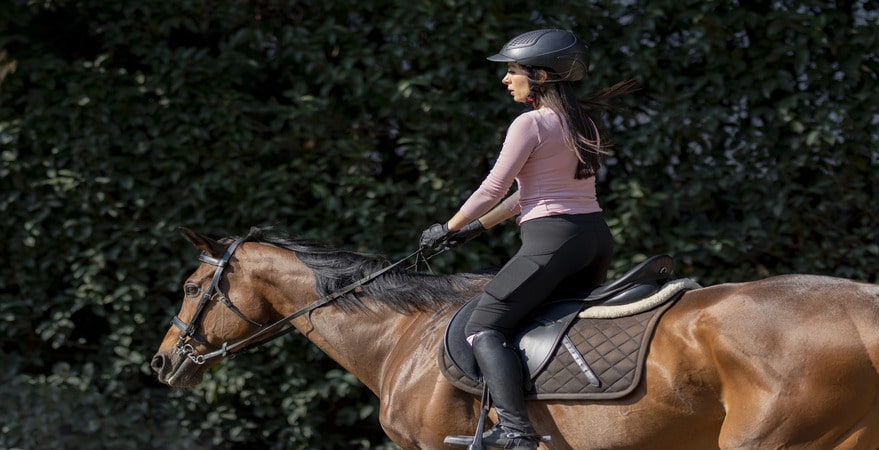
In Colorado, riding a horse while intoxicated can lead to serious legal consequences, even if it is not classified as a traditional DUI. Riders may face penalties under public intoxication or animal cruelty laws, especially if their actions endanger themselves, others, or the horse.
- Riding a horse drunk can result in fines, jail time, or mandatory alcohol education programs. Insurance may not cover damages from accidents while impaired, leaving riders financially responsible. Different states have varying laws regarding horseback riding under the influence, with some treating it similarly to DUI offenses.
- In Colorado, riding a horse while intoxicated isn’t treated the same as driving a car under the influence, but that doesn’t mean you’re off the hook.
- While you likely won’t be charged with a traditional DUI, you could still face serious consequences under public intoxication or animal cruelty laws, especially if your actions put yourself, others, or the horse at risk.
In Colorado, you cannot be charged with a traditional DUI for riding a horse while intoxicated. However, you may face penalties under public intoxication or animal cruelty laws if your behavior endangers yourself, others, or the horse.
In Colorado, riding a horse while intoxicated isn’t treated the same as driving a car under the influence, but that doesn’t mean you’re off the hook. While you likely won’t be charged with a traditional DUI, you could still face serious consequences under public intoxication or animal cruelty laws, especially if your actions put yourself, others, or the horse at risk.
Penalties can include hefty fines, jail time, or mandatory alcohol education programs. Additionally, if an accident occurs while you’re impaired, your insurance may not cover the damages, leaving you personally responsible for any injuries or property loss. Though it might seem less serious than drunk driving, riding a horse while drunk in Colorado can still carry real legal and financial consequences. Knowing the local laws is essential before saddling up after a few drinks.
Historical Cases of Equestrian DUI Incidents
In history, people have sometimes gotten into trouble for riding horses while drunk. For example, in 1993, a man in Montana was charged with DUI for riding his horse home after drinking at a bar. The charges were dropped later.
In 2017, a woman in Florida was charged with DUI for riding her horse on a highway. This case made people wonder if a horse is like a car under the law.
In 1989, a big case in California said people on horses have to follow the same traffic laws as cars. This case helped decide how other cases like it would be handled.
Going even further back, a court in Kentucky in the 1800s said that riding a horse while drunk was dangerous for the public. These cases have helped shape today’s laws about riding horses while drunk, and they guide how different places deal with these situations.
Legal Definition of “Vehicle” in DUI Laws
The legal definition of a “vehicle” in DUI laws varies from state to state, which affects whether riding a horse while intoxicated can lead to a DUI charge. According to EBSCO and many state vehicle codes, a motor vehicle is typically defined as a device that is propelled by means other than human power, generally, something with a motor. This definition excludes horses, which are living animals and not motorized.
Some states interpret DUI laws strictly to apply only to motor vehicles, meaning horses fall outside the scope of those laws. In these places, riding a horse while drunk wouldn’t result in a DUI charge. For example, in California, a horse is not considered a vehicle under DUI statutes. However, other states take a broader view. Florida, for instance, considers a horse a vehicle for DUI enforcement, so someone riding a horse while intoxicated can be charged similarly to a drunk driver.
Due to these differences in interpretation, some states have created separate laws specifically addressing the operation of animals on public roads while under the influence. These laws often fall under public safety or traffic codes rather than traditional DUI statutes, allowing law enforcement to address the behavior without misapplying vehicle-based laws.
State-by-State Regulations for Horseback Riding Under the Influence
In the U.S., different states have different rules about riding a horse while drunk.
In Kentucky and Michigan, you can get a DUI if you’re riding a horse while drunk.
In California, the law says animals count in DUI cases.
In Colorado, riding a horse drunk is called a traffic violation.
In Florida and Louisiana, the main worry is public safety, so they focus on reckless endangerment instead of DUI laws.
In Montana and Wyoming, there are special rules for handling animals on roads when you’re drunk.
In Texas and Oklahoma, you might get in trouble under public intoxication laws, not vehicle laws.
Some places look at whether you were on a public road or private land to decide what charges apply.
Potential Penalties and Consequences
Here’s what you might face if caught riding a horse drunk:
- Class B traffic infraction: Up to $100 fine (no jail time or license points)
- Reckless endangerment or criminal negligence: If your behavior puts others or the horse at risk, you could be charged with a misdemeanor involving potential jail time.
- Animal cruelty charges: If you’re found to be abusing or neglecting the horse, you could face a Class 1 misdemeanor, punishable by 6 to 18 months in jail.
- Possession of a weapon while intoxicated: If you have a firearm while riding drunk, you might be charged with a Class 2 misdemeanor (3–12 months in jail).
- Court and legal fees: Even a minor infraction can involve added expenses like attorney fees, court costs, and fines.
- Criminal record: If convicted of a misdemeanor, it could affect background checks and future employment.
- Insurance: Any damage or accidents that occur while riding intoxicated may not be covered by insurance.
Although Colorado doesn’t label riding a horse while intoxicated as a DUI, doing so on or near public roads can still land you in legal trouble. While a simple fine may be likely, more serious behavior can lead to criminal charges, including jail time, and insurance or employment complications. It’s best to avoid riding after drinking and ensure the safety of yourself, your horse, and others.
Public Safety Concerns and Risk Factors
Riding a horse while drunk is dangerous for people and horses. When someone is drunk, their thinking is foggy, and they react slowly. This can make it hard to control the horse, which might get scared and act wild.
If a drunk person rides a horse on roads or in crowded places, it can cause big problems. A horse is a large animal, often weighing over 1,000 pounds. If the drunk rider loses control, accidents can happen. They might crash into cars, people, or things. The rider might fall off and get hurt, or the horse could run into traffic.
Other horses nearby might also get scared and cause more accidents. It’s important to stay safe and avoid riding horses if you’ve been drinking.
Comparing Horse DUI Laws Internationally
Different countries handle drunk horse riding in their way. Some have specific laws for it, while others use general safety or animal rules to deal with it.
- In Australia, riding a horse drunk is like driving a car drunk. You can get in big trouble for it.
- In the United Kingdom, there’s a law from 1872 that says you can’t ride a horse if you’re drunk.
- In Canada, the rules depend on where you live. Each region has its own rules about riding a horse drunk.
- In Germany, it’s a crime to ride a horse drunk because it can harm the animal.
- In the United States, it depends on the state. Some states have laws for drunk horse riding. Others use different laws for bad behavior.
These differences show how each place thinks about safety and keeping people and animals safe.
Animal Welfare Considerations
The safety and well-being of horses are important when looking at cases of riding while drunk. Drunk riders can be a danger to their horses because they have poor balance, slow reactions, and bad judgment.
- Horses can get hurt if riders give wrong commands or handle them poorly.
- Drunk riders might take horses into unsafe places like busy roads or rough ground.
- Drinking can make riders push horses too hard or forget to take care of them.
- Scared horses might act out and hurt themselves or others.
- Police need special skills to deal with drunk riding incidents involving horses.
Groups that care about animals say riding horses while drunk is a type of animal abuse. It puts the horse’s body and mind at risk. Many places have laws to protect animals in these cases.
Enforcement Challenges for Law Enforcement
Law enforcement officers have a tough time dealing with cases of drunk horseback riding. Horses don’t have speedometers or controls like cars do, so it’s hard to prove someone is riding drunk.
Police also have to figure out if they can use the same tests they do for drunk drivers on people riding horses.
There are other problems too. Officers have to know if they have the right to stop someone on horseback on trails or private land.
They also need to safely stop the rider and the horse. Police need special training to handle horses and must have a way to transport both the horse and the arrested person.
Many places don’t have clear rules for this, so officers often use general laws to keep people safe.
Blood Alcohol Content Testing for Mounted Riders
Testing the alcohol levels of people riding horses is not the same as testing car drivers. Police face special challenges when checking if someone on a horse has been drinking too much.
- Usual tests for drunk drivers, like walking in a straight line, don’t work well if the person is still on the horse.
- Officers need to make sure the horse is safe and calm before they can start any tests.
- Riders might act differently after being on a horse for a long time, so balance and coordination tests need to be changed.
- Using a breathalyzer near a horse needs extra care to avoid scaring the horse or causing an accident.
- If a rider is drunk, police need to figure out how to safely move both the rider and the horse.
Police need special training to handle these situations safely. They also need to collect evidence the right way without putting anyone, including the horse, in danger.
Alternative Transportation Options for Impaired Riders
If you’ve been drinking, don’t ride your horse. There are other ways to get you and your horse home safely.
| Safe Option | What Makes It Good |
| Designated Driver | Uses a trailer to take your horse home |
| Rideshare Services | Picks you up and takes you home |
| Local Taxi | Available all the time |
| Friend/Family | Someone you trust to help |
| Horse Boarding | Your horse can stay at the stable overnight |
Plan how you will get home before you drink. Some stables let your horse stay overnight if needed. They might work with local transportation to help you both get home safely.
Insurance and Liability Issues
Riding a horse while drunk can cause big problems with insurance and who is responsible for accidents. Regular horse insurance might not pay for things that happen when alcohol is involved, leaving riders to pay for damages themselves.
Important things to know are:
- People might get hurt because of a drunk rider, and they can ask for money to pay for their injuries.
- Drunk riders might damage cars, buildings, or gardens when they lose control.
- If a horse gets hurt because the rider was drunk, insurance might not pay for it.
- Property owners or stable workers could be blamed if they let someone ride drunk.
- People can still sue for damages even if there are no criminal charges, and insurance might not cover these lawsuits.
Knowing how insurance works in these situations is important because riding drunk can end up costing a lot of money, aside from any legal troubles.
Prevention and Safety Guidelines
Safety rules are important to stop accidents when riding horses. Horse groups say don’t drink alcohol before or while riding. You should wait a day after drinking before getting on a horse.
To stay safe, check your gear before riding, wear the right safety gear, and have someone watch if needed. Many horse places have strict no-drinking rules and make you sign papers to agree. They might also put up signs warning about drinking and riding.
Know the local laws about riding horses. Being drunk on a horse can lead to big legal problems, just like driving a car drunk.
Rights and Responsibilities of Horse Owners
Horse owners need to know their rights and duties when using their animals on roads and land. They must think about safety, responsibility, and local rules.
Key points include:
- Always keep control of your horse on roads or trails
- Have insurance to cover accidents or injuries
- Follow the rules about where horses can go
- Use lights and reflective gear at night
- Move aside for cars and keep a safe distance
Horse owners should learn about state laws on horses. These might cover carelessness, who goes first, and safety gear.
Knowing these laws keeps everyone safe and lets riders use the roads.
Legal Defense Strategies in Horse DUI Cases
In Colorado, defending a charge related to riding a horse while intoxicated requires a legal strategy that highlights the key differences between horses and motor vehicles under state law. Colorado’s DUI statutes apply specifically to the operation of “vehicles,” which are defined as devices that transport people or property on wheels or tracks. Since a horse is a living animal and not a mechanical device, it typically does not meet the legal definition of a vehicle. As a result, a DUI charge is usually not appropriate in these cases. Instead, a more suitable citation might be a Class B traffic offense under C.R.S. 42-4-805, which addresses being under the influence while on public roads. This type of infraction carries a maximum fine of $100, no jail time, and no points on a driver’s license.
A common defense also emphasizes the autonomous nature of horses. Unlike cars, horses often act independently, especially on familiar routes. Defense attorneys may argue that the rider was not actively “operating” the horse in the way one would operate a motor vehicle. If the horse was making its own way home safely without significant input from the rider, it further weakens the legal basis for any claim of DUI-level impairment.
Another important aspect of defense in these cases involves challenging the relevance and accuracy of field sobriety and blood alcohol content (BAC) tests. Standard tests like walking a straight line or standing on one leg are designed for evaluating drivers on solid ground, not riders balancing on a moving animal. Additionally, delays between the initial stop and the administration of any BAC tests can raise questions about the accuracy and legal admissibility of the results.
Ultimately, a strong legal defense in Colorado focuses on the fact that DUI laws were not designed for horseback riders, challenges the evidence collected, and reframes the incident as, at most, a minor traffic violation rather than a criminal DUI offense.
Share This Story, Choose Your Platform!
Table of Contents
- Historical Cases of Equestrian DUI Incidents
- Legal Definition of “Vehicle” in DUI Laws
- State-by-State Regulations for Horseback Riding Under the Influence
- Potential Penalties and Consequences
- Public Safety Concerns and Risk Factors
- Comparing Horse DUI Laws Internationally
- Animal Welfare Considerations
- Enforcement Challenges for Law Enforcement
- Blood Alcohol Content Testing for Mounted Riders
- Alternative Transportation Options for Impaired Riders
- Insurance and Liability Issues
- Prevention and Safety Guidelines
- Rights and Responsibilities of Horse Owners
- Legal Defense Strategies in Horse DUI Cases
When I received my DUI, it was one of the toughest challenges I had to face. I knew I needed an experienced criminal law attorney to help get me through the court process. After meeting with Emilio and his entire team I knew I was in great hands. Their knowledge about the law combined with years of experience made me feel extremely confident going though this difficult time. The DUI Law Firm team walked me through every step in a timely fashion, never leaving my side, making it a successful outcome. I am extremely grateful for what they had accomplished for me.
Related Reading
A first DUI in Colorado in 2026 usually costs between $10,000 and $13,000 once every expense is added up. Most people expect a fine and a court date. Few expect the years of insurance increases and interlock fees that follow. The cost of a DUI Colorado 2026 stretches far beyond the courtroom. It includes bail, [...]
Colorado BUI penalties can reach up to a year in jail and hundreds of dollars in fines, yet a boating conviction does not suspend your driver’s license the way a car DUI does. That difference surprises many people arrested at Chatfield, Cherry Creek, or Horsetooth Reservoir during summer weekends. Boating under the influence in Colorado [...]
Yes, you can face a DUI on federal land in Colorado, even inside a campground loop or on a national forest road. Rangers, state troopers, and county deputies all have authority in different areas. A summer weekend at a Colorado campsite can end with handcuffs and a court date. Colorado’s camping season brings heavy traffic [...]


