Ski Country DUIs: Mountain Town Enforcement vs. Metro Practices
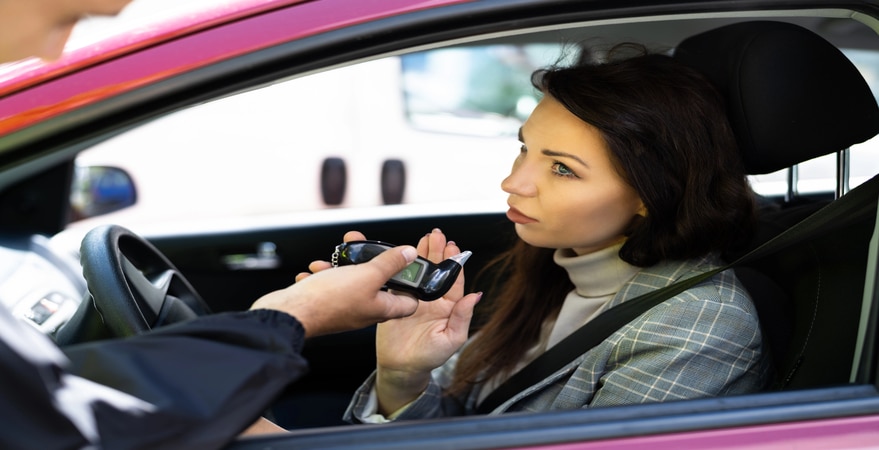
DUI enforcement in Colorado’s mountain towns differs significantly from metro areas like Denver or Colorado Springs. Resort destinations such as Breckenridge, Vail, and Aspen face unique challenges, including limited law enforcement staffing, seasonal population surges, and jurisdictional complexity across multiple agencies. High-altitude conditions can affect breathalyzer accuracy and roadside sobriety tests, while remote blood draw facilities introduce delays that impact legal timelines. These factors create technical defense opportunities rarely seen in Front Range cities. Seasonal traffic patterns and smaller local courts further influence how DUI cases are investigated, processed, and adjudicated, making mountain DUI enforcement a distinct landscape for both drivers and attorneys.
Seasonal Population Explosions and Enforcement Capacity Challenges
Colorado’s mountain resort communities see their populations grow by 300-500% during peak ski season. This growth puts serious pressure on local law enforcement systems built for permanent populations under 10,000 residents. The size difference creates unique enforcement patterns not found in city police departments.
Resort towns hire temporary police officers who don’t know the local roads, traffic patterns, or community standards. These knowledge gaps can affect whether officers have proper probable cause for traffic stops and whether they give field sobriety tests correctly.
Small local jails must process DUI suspects quickly, which sometimes cuts short the waiting periods needed before breath or blood tests. Three types of police—town police, county sheriffs, and state patrol—often work together in these areas, leading to different record-keeping methods and problems tracking evidence properly.
Defense lawyers should examine officer training files, certification dates, and which jurisdiction gave each officer authority to make arrests. The pressure on staff police departments during busy seasons can create procedural mistakes.
These mistakes may support legal motions to exclude evidence or dismiss charges entirely. Specific areas to investigate include standardized field sobriety test (SFST) certification status, DataMaster or Intoxilyzer operator licenses, statutory observation period compliance, and cross-jurisdictional arrest authority documentation.
Tourism Economics Impact on Enforcement Priorities
Three Colorado counties—Summit County, Eagle County, and Pitkin County—bring in $5 billion each year from ski resorts, hotels, restaurants, and tourist shops.
Town governments in places like Vail, Aspen, and Breckenridge need this money to pay for roads, police officers, and public services. This financial dependence creates pressure on law enforcement agencies.
Police departments face a difficult choice during busy ski weekends and holiday periods. Arresting tourists for driving under the influence might scare away future visitors. Bad news about DUI checkpoints could spread on social media and travel websites.
Fewer tourists mean less money for local businesses and smaller tax collections for the town budget. Because of these concerns, some mountain police departments set up DUI roadblocks during quieter months like April or November instead of Christmas week or Presidents’ Day weekend.
They focus on traffic violations when fewer people visit. During peak tourism periods, officers often handle theft complaints, bar fights, and noise problems rather than watch for drunk drivers. Police departments have limited staff and must choose where to send officers.
Defense lawyers can request arrest records showing when and where DUI stops happened throughout the year. These public records might reveal patterns. If police arrested very few people during major holidays but conducted many stops during slow weeks, this information matters.
Courts recognize that equal protection under the law requires consistent enforcement regardless of economic factors. Statistical analysis of booking data, checkpoint locations, and arrest frequency can expose gaps in enforcement.
When tourism revenue concerns override public safety decisions, defendants have grounds to question whether their arrest followed standard procedures or resulted from selective enforcement patterns tied to the local economy rather than actual traffic safety needs.
Winter Road Conditions and DUI Detection Difficulties
Snow, ice, and poor visibility on mountain roads create driving patterns that look like drunk driving, making it harder for police to meet the reasonable suspicion standard needed for traffic stops. Drivers swerve to avoid ice patches, hit their brakes suddenly on steep hills, and slow down without warning—all legal reactions to dangerous roads that officers might mistake for signs of impairment.
This confusion strengthens Fourth Amendment rights because reasonable suspicion must consider weather and road factors. Defense attorneys can challenge traffic stops where officers don’t separate winter driving adjustments from real impairment. Dashboard camera videos become key evidence, showing what the roads looked like when the stop happened.
Field sobriety tests on snowy, uneven ground also fail to work properly, creating problems with documentation that affect probable cause decisions and whether arrests hold up in court in mountain areas. Tests like the walk-and-turn or one-leg stand require flat, dry surfaces to measure balance and coordination accurately.
When officers conduct these standardized field sobriety tests on icy shoulders or snow-packed pavement, they cannot tell if poor performance stems from intoxication or hazardous footing.
Courts recognize this reliability problem under the Fourth Amendment’s protection against unreasonable searches and seizures. Prosecutors must prove officers had probable cause for DUI arrests based on the totality of circumstances, including environmental conditions present during the investigative detention.
Blood alcohol concentration tests and chemical testing become more important than physical coordination tests in these cases. The National Highway Traffic Safety Administration provides protocols for field sobriety testing that assume normal road conditions.
Mountain jurisdiction law enforcement agencies face unique challenges when winter weather makes standard procedures unreliable for establishing impaired driving.
Response Times and Officer Availability in Remote Areas
Police departments in mountain ski regions cover huge territories with few officers on duty. When someone reports a possible drunk driver, it takes a long time for law enforcement to reach the scene. These delays hurt the state’s ability to prove its case in court.
Officers might arrive 30 to 60 minutes after someone calls 911. During this waiting period, the driver’s blood alcohol level drops on its own. The human body naturally processes alcohol at a rate of about 0.015% each hour through liver metabolism. This biological fact creates serious questions about whether the driver was actually impaired while behind the wheel.
Testing Reliability Problems: Field sobriety tests like the walk-and-turn or one-leg stand lose their value when officers conduct them an hour after the person stopped driving. These roadside tests measure current impairment, not past impairment.
Blood Alcohol Calculations Become Unreliable: When officers measure BAC long after driving stops, forensic experts must work backward using retrograde extrapolation formulas. The longer the delay between driving and testing, the more room for error exists in these calculations. Defense attorneys can challenge these mathematical projections.
Procedural Shortcuts: Remote locations mean backup officers cannot reach the scene quickly. The responding officer may rush through the DUI investigation protocol or skip important steps like:
- Complete documentation of the arrest scene
- Witness interviews
- Vehicle position photography
These gaps in procedure create opportunities to challenge the arrest’s legal validity.
Specialized DUI Units vs. Generalist Mountain Officers
City police departments assign specific officers to work only on DUI cases. These officers receive hundreds of hours of training in field sobriety tests, drug recognition methods, and breathalyzer procedures. The officers become experts because they handle drunk driving cases multiple times each week and keep their certifications current in advanced detection techniques.
Mountain town police officers handle many different types of calls during their shifts. An officer might deal with a bear near someone’s home, respond to an avalanche rescue, help someone having a medical emergency, and pull over a speeding driver—all in one day. These officers learn basic DUI procedures at the police academy but rarely receive additional specialized training after graduation.
This difference in training creates problems when mountain officers make DUI arrests. Officers who lack specialized training may give field sobriety tests incorrectly. They might mistake coordination problems from high altitude or cold temperatures for signs of intoxication. They may forget to calibrate breathalyzer machines properly or fail to keep accurate records of when calibration occurred.
Defense lawyers look closely at these training and procedure gaps when representing people charged with DUI in mountain towns. The lawyers question whether the arresting officer had proper qualifications to conduct specialized tests. They examine calibration records for breathalyzer devices. They challenge whether the officer knew how to account for environmental factors like altitude (8,000-12,000 feet elevation) and freezing temperatures (often below 20°F) that affect balance and coordination tests.
These legal challenges protect the constitutional rights of defendants facing criminal charges.
Field Sobriety Testing at High Altitude: Unique Complications
Police officers give standard field sobriety tests (SFSTs) to drivers they suspect of drunk driving. These tests include the walk-and-turn test, one-leg-stand test, and horizontal gaze nystagmus test (checking eye movements).
At locations above 8,000 feet in elevation, the air contains less oxygen. This low-oxygen environment causes body reactions that look the same as being drunk. The thin air affects balance, muscle control, and brain function—the exact things these tests measure. This creates real problems for court cases.
Major altitude problems with field sobriety tests include:
- Less oxygen reaches the inner ear and brain areas that control balance, making people unsteady on their feet even when sober.
- Low oxygen levels cause eyes to move involuntarily, which officers may wrongly identify as the eye jerking pattern seen in intoxicated individuals.
- Freezing weather and ice-covered ground make testing dangerous and unfair, destroying the accuracy of test results.
Defense lawyers regularly question field sobriety test results collected at high elevations. They point to scientific research studies that prove altitude interferes with test accuracy.
Prosecutors must show the person’s normal physical condition at that altitude or face having the evidence thrown out of court. Mountain communities like Aspen, Colorado (elevation 7,945 feet), Flagstaff, Arizona (elevation 6,910 feet), and Lake Tahoe, California (elevation 6,237 feet) experience these evidence challenges in DUI prosecutions.
The National Highway Traffic Safety Administration (NHTSA) created these standardized tests at sea level. Medical research on altitude sickness shows symptoms matching impairment indicators: dizziness, confusion, poor coordination, and vision changes.
Blood oxygen saturation drops from normal 95-100% at sea level to 85-90% at 10,000 feet in unacclimatized persons.
Breathalyzer Accuracy and Altitude Considerations
Air pressure changes how breathalyzers work in mountain areas. These devices measure blood alcohol concentration (BAC) to determine if someone has been drinking alcohol. Police and law enforcement officers use breathalyzers during traffic stops and DUI investigations.
Standard breathalyzer devices receive their initial setup at sea level. At sea level, air pressure measures 14.7 pounds per square inch (psi). Mountains and high-elevation areas have less air pressure because the atmosphere is thinner at higher altitudes.
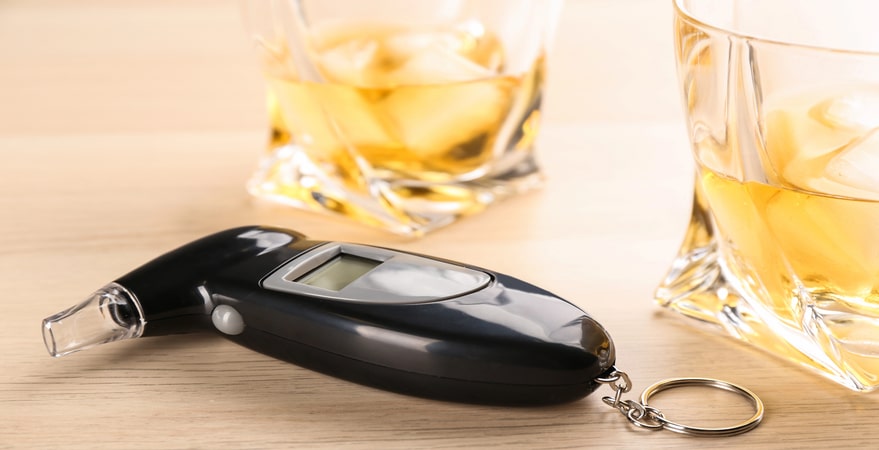
When police use breathalyzers above 8,000 feet elevation, the devices can show BAC numbers that are 10-15 percent higher than a person’s actual blood alcohol level. This measurement error happens because breathalyzers contain computer programs that expect a specific amount of air density. Lower air density in mountains changes the ratio between alcohol vapor and air in a person’s breath sample.
Defense lawyers need to examine several documents when questioning breathalyzer test results. Important records include calibration certificates that show when technicians last checked the device’s accuracy, maintenance logs that track repairs and adjustments, and protocols that explain how agencies account for altitude differences.
Colorado state law requires all breathalyzers used in criminal cases to have current certification. Many police departments and sheriff’s offices do not follow altitude-specific calibration procedures. Some agencies use the same calibration settings at 10,000 feet elevation as they would at sea level, creating unreliable test results.
Courts may accept or reject breathalyzer evidence based on proper calibration documentation. When prosecutors build their entire case on a single BAC reading from a breathalyzer test taken at high elevation without atmospheric pressure corrections, defense attorneys can challenge the scientific validity of that evidence.
Inaccurate breathalyzer readings can lead to wrongful DUI convictions.
Checkpoint Logistics in Mountain Geography
Mountain roads create unique problems for DUI checkpoints that police do not face on flat land. Mountains have few roads, narrow highways with small shoulders, and harsh weather that limits where officers can set up checkpoints.
Police must keep people safe while managing traffic through tight mountain passes where car backups become dangerous. Snow plowing, avalanche danger zones, and ambulance routes add more complications to checkpoint planning.
Geographic factors that affect mountain DUI checkpoints:
- Single roads connecting ski resorts and mountain towns mean drivers have no other routes, which can trap vehicles.
- Blizzards, ice storms, and fog can make checkpoints unsafe and reduce what officers can see.
- Small pullout areas limit where drivers can turn around and restrict spaces for detailed vehicle inspections.
Defense lawyers examine whether mountain conditions prevented proper checkpoint procedures. They investigate if warning signs were visible around curves, if safe entry and exit paths existed, and if constitutional requirements were met despite difficult terrain.
Mountain checkpoints in places like Colorado’s I-70 corridor through Vail Pass, California’s Highway 50 over Echo Summit, and Utah’s Big Cottonwood Canyon near Park City ski area demonstrate these geographic challenges.
Officers working checkpoints at elevations above 8,000 feet face altitude effects, including reduced physical stamina and equipment performance issues.
Winter darkness arrives early in mountain valleys, requiring enhanced lighting systems that may not meet legal visibility standards.
Cell phone service gaps in remote mountain locations prevent reliable communication between checkpoint stations and central dispatch, creating coordination problems during high-traffic holiday weekends when DUI enforcement intensifies.
Limited Jail Facilities and Alternative Processing Methods
Mountain counties with ski resorts face a jail space crisis. Most detention centers hold fewer than twenty prisoners at one time. During busy winter weekends, multiple DUI arrests can overwhelm detention capacity, forcing officers to rely on alternative processing methods.
Field release programs are common, allowing officers to issue court summonses at the roadside instead of transporting suspects to jail. While efficient, these shortcuts can create legal complications. Delays in chemical testing or paperwork can weaken blood alcohol evidence, giving defense attorneys grounds to challenge the case.
Some agencies use mobile booking trailers or transport suspects to regional jails hours away, introducing additional risks for lost documents or contaminated samples. High-pressure winter conditions, accidents, traffic, and limited staff can also lead officers to skip crucial documentation.
By contrast, urban departments have established procedures, sufficient jail space, on-site magistrates, and proper equipment, keeping evidence chains intact. This stark difference highlights why mountain DUI cases often involve unique legal strategies not seen in metro areas.
Booking Procedures and Evidence Processing Constraints
Standard DUI arrest protocols demand specific documentation and testing sequences that mountain jurisdictions struggle to complete. Remote locations lack quick access to certified breath-testing instruments, creating delays that harm evidence quality.
Blood draw facilities may be hours away, going beyond legal testing windows. Chain-of-custody documentation becomes difficult when evidence must travel long distances to centralized labs.
Critical processing challenges include:
- Time-sensitive testing requirements clash with transportation logistics to qualified facilities
- Instrument calibration and certification problems when equipment must serve multiple remote locations
- Officer availability for long booking procedures during peak enforcement periods
These constraints create possible suppression issues regarding test admissibility. Defense attorneys should examine timestamps, transportation records, and testing facility certifications when evidence collection goes beyond standard timeframes because of geographic limitations.
Court Scheduling and Legal Timeline Differences
City courts handle DUI cases every day with regular court schedules. This system allows cases to move faster through plea deals or trials.
Mountain resort area prosecutors might give more generous postponements because their court calendars are limited. These delays can hurt defendants who want their cases finished quickly. Defense lawyers need to carefully weigh the benefits of extra preparation time against their clients’ desire for a quick resolution.
Knowing these timing differences between city courts and resort area courts matters when planning a case strategy. The court location a defendant faces affects how fast the case moves and what legal choices remain available during the criminal process.
Court jurisdiction determines both the speed of proceedings and the range of defense options from arrest through final judgment.
Penalties and Sentencing Patterns: Mountain Courts vs. Urban Courts
When looking at DUI (driving under the influence) cases, courts in mountain resort towns give out tougher punishments than city courts, even though they handle fewer cases. This difference happens because judges in mountain areas take a harder stance on tourists who break the law.
Local communities also push for stricter consequences to stop drunk driving on winding, steep mountain roads where accidents cause more damage. City courts deal with many more cases each day, so they use standard plea deals and alternative programs (like alcohol education classes instead of jail) more often.
Main differences in sentencing:
- Mountain courts send first-time DUI offenders to jail twice as often as city courts.
- Fines in resort towns cost $500-$800 more than in cities when drivers have the same blood alcohol concentration (BAC).
- Mountain courts take away driver’s licenses for 30-60 extra days, especially for people from other states.
These location-based differences matter when predicting what might happen in a DUI case and planning how to defend against the charges.
Defense attorneys must account for whether the arrest happened in a mountain resort jurisdiction or an urban metropolitan area, as this geographic factor directly affects potential jail time, financial penalties, and license restrictions.
The judicial philosophy in mountain communities prioritizes public safety on hazardous alpine roadways, while urban systems focus on case processing efficiency and rehabilitation options.
Interagency Coordination Between Multiple Jurisdictions
Most ski resort areas span multiple law enforcement territories. This creates complex jurisdictional arrangements that affect DUI prosecutions. County sheriffs, municipal police, state patrol, and federal forest service officers may all conduct traffic stops within miles of each other. This fragmentation affects evidence chain-of-custody procedures, breathalyzer calibration standards, and blood draw protocols.
Defense attorneys must examine which agency initiated the stop, where the arrest occurred, and whether proper jurisdiction existed. When law enforcement officers from different agencies operate in overlapping territories near ski resorts, questions arise about their legal authority to make arrests and collect evidence.
Critical jurisdictional issues include:
- Different agencies use incompatible breathalyzer models with varying calibration schedules that may not meet the same accuracy standards.
- Conflicting arrest procedures between agencies create potential opportunities to suppress evidence due to procedural violations.
- Blood evidence transported across county lines raises chain-of-custody vulnerabilities when different agencies handle specimens at different stages.
- Questions about which agency’s training standards and protocols apply when officers cross territorial boundaries.
- Inconsistent blood alcohol concentration (BAC) testing methods between agencies could affect results.
- Gaps in documentation occur when evidence transfers from one law enforcement agency to another.
Interagency task forces coordinate DUI enforcement during peak ski season. These collaborative arrangements require careful examination of multi-agency agreements and deputization authority.
Defense counsel should verify whether officers had proper legal authority to act outside their normal jurisdiction and whether evidence collection followed the correct agency’s protocols.
Local Attorney Access and Legal Representation Options
Finding experienced DUI defense in Colorado’s mountain towns can be challenging. Small communities often have only a few local attorneys, and tourist season surges overwhelm their capacity. Metro-area lawyers bring expertise but face travel delays from snow, long drives, and hazardous roads, which can jeopardize court appearances.
Public defenders in rural counties also handle heavy caseloads, limiting the time they can dedicate to each client. Defendants typically choose between:
- Local attorneys – familiar with judges, prosecutors, and courthouse procedures, offering insight into how cases usually resolve.
- Metro DUI specialists – more experienced with complex DUI defenses but less familiar with local courts and travel-restricted.
Hybrid solutions, like video consultations or co-counsel arrangements, allow a city-based specialist to advise on strategy while a local attorney handles court appearances. Rules for outside attorneys, known as pro hac vice admissions, vary by county and determine who can represent defendants in mountain courts.
Share This Story, Choose Your Platform!
Table of Contents
- Seasonal Population Explosions and Enforcement Capacity Challenges
- Tourism Economics Impact on Enforcement Priorities
- Winter Road Conditions and DUI Detection Difficulties
- Response Times and Officer Availability in Remote Areas
- Specialized DUI Units vs. Generalist Mountain Officers
- Field Sobriety Testing at High Altitude: Unique Complications
- Breathalyzer Accuracy and Altitude Considerations
- Checkpoint Logistics in Mountain Geography
- Limited Jail Facilities and Alternative Processing Methods
- Booking Procedures and Evidence Processing Constraints
- Court Scheduling and Legal Timeline Differences
- Penalties and Sentencing Patterns: Mountain Courts vs. Urban Courts
- Interagency Coordination Between Multiple Jurisdictions
- Local Attorney Access and Legal Representation Options
I have used the services of this firm multiple times in the past and my experience has always been outstanding. Emilio speaks openly and honestly at all times. I would, and do, recommend his services to friends and family.
Related Reading

DUI Blood Test Came Back Months Later – What Now? When DUI blood test results return months after an arrest, the delay can significantly impact your case. Colorado crime labs often face backlogs, but this extra time creates opportunities for your defense. Blood samples must be properly stored, handled, and tested to remain reliable; any [...]
Refusal Consequences in Colorado What Actually Happens After Saying ‘No’ to Testing Refusing a chemical test during a Colorado DUI stop may feel like a smart move in the moment, but it immediately sets off serious legal and administrative penalties. Under Colorado’s Express Consent Law (C.R.S. § 42-2-126), every driver automatically agrees to submit to [...]
Failed Breath Test but Sober? How to Prove Mouth Alcohol or GERD in Colorado It’s possible to fail a DUI breath test in Colorado even when you’re completely sober. Conditions like acid reflux, GERD, or hiatal hernia can cause mouth alcohol that distorts breathalyzer results, making it seem like your blood alcohol concentration (BAC) is [...]