DUI After a Crash with No Injuries: Can We Avoid Jail?
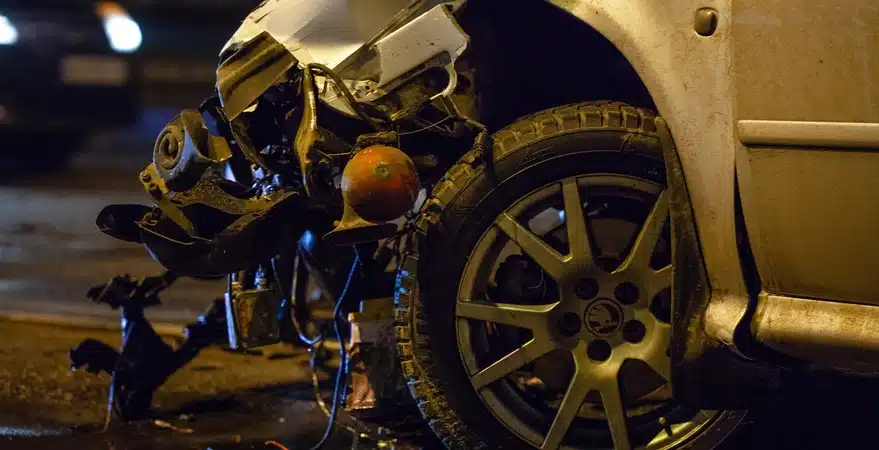
A DUI involving a crash that causes property damage, but no injuries, is a significant legal issue that can lead to harsher penalties than a standard DUI. Factors such as blood alcohol concentration, prior convictions, and the specifics of the incident play a crucial role in determining potential jail time and sentencing options.
- DUI crashes can elevate charges and penalties, leading to higher fines and longer license suspensions. Prosecutors must prove that intoxication caused the accident and property damage.
- Blood alcohol content levels significantly impact sentencing, with higher levels resulting in stricter penalties and reduced plea options.
- State laws vary widely in how they treat DUI crashes, affecting the likelihood of jail time and available alternative penalties for offenders.
Penalties for a DUI after a crash without injuries can vary significantly based on factors like blood alcohol concentration, prior offenses, and state laws. While jail time is a possibility, alternatives such as probation, house arrest, or community service may be offered, especially for first-time offenders who demonstrate accountability.
A DUI involving a crash that causes property damage, but no injuries, remains a serious legal matter. Unlike a standard DUI, collisions introduce additional complications that prosecutors can use to pursue harsher penalties. Whether jail time is likely depends on several factors, including blood alcohol concentration (BAC), prior DUI convictions, state laws, and the specifics of the crash itself. Higher BAC levels, past offenses, reckless driving, fleeing the scene, and the extent of property damage all influence sentencing. In many cases, alternative penalties such as probation, house arrest, substance abuse programs, or community service may be available, especially for first-time offenders who take responsibility and show genuine remorse. Understanding these factors is crucial to navigating the legal process and minimizing the risk of incarceration.
Understanding the Legal Difference Between Standard DUI and DUI With Property Damage
Driving under the influence (DUI) that results in property damage carries far more serious legal consequences than a standard DUI. While a simple DUI is often treated as a misdemeanor, causing a crash that damages property can elevate the charge and penalties. Courts impose higher fines, longer license suspensions, and increased jail time.
The key difference lies in proving cause and effect. Prosecutors must demonstrate that intoxication directly led to the accident and the resulting property damage. This requires accident investigations, vehicle damage reports, and potentially expert testimony. Physical evidence such as damaged vehicles, fences, or buildings underscores the real harm caused by impaired driving, influencing plea negotiations and jury decisions.
How Blood Alcohol Content Levels Impact Your Case Severity
Your blood alcohol content (BAC) level is a major factor in DUI charges after a crash.
- Standard DUI: BAC between 0.08%–0.149% typically results in misdemeanor charges with basic penalties.
- Enhanced DUI: BAC of 0.15% or higher triggers mandatory minimum jail time, larger fines, and longer license suspensions.
- High BAC (>0.20%): Prosecutors rarely offer plea deals, and judges are more likely to impose jail, even if only property is damaged.
Refusing a breath or blood test results in automatic DMV license suspension, though it may limit evidence for the criminal case. Defense attorneys challenge BAC evidence through procedural errors, equipment calibration issues, or medical factors affecting results.
Higher BAC levels increase the risk of jail, permanent license loss, and limited plea options, while lower levels provide more room for defense strategies and reduced penalties.
The Role of Your Prior Criminal Record in Sentencing Decisions
Past convictions can turn a simple DUI case into a serious felony charge with required jail time. Criminal courts look closely at your criminal history when they decide your punishment for DUI crashes. A clean record helps your lawyer ask for options other than jail. Past crimes lead to tougher penalties under repeat offender laws.
Courts look at these factors:
- Multiple DUI arrests in ten years change your charge from a misdemeanor to a felony in most states.
- Past violent crimes show a pattern to judges, who then give stricter sentences no matter what happened in your current case.
- Breaking probation rules proves you did not follow court orders, which removes the judge’s ability to show mercy.
- Active arrest warrants show you might run from the law, which affects whether you can post bail and limits your ability to negotiate a plea deal.
Defense lawyers need to deal with your criminal record from the start of your case. They build a defense plan that admits your past mistakes but shows the court your rehabilitation work and how your life has changed. This strategy helps judges see you as someone who deserves a second chance rather than just another repeat offender.
The prosecution will use your criminal background as evidence against you. Your prior record becomes part of the sentencing guidelines that judges must follow. Each previous conviction adds points to your sentencing score under state and federal guidelines. Higher scores mean longer minimum sentences that judges cannot reduce.
State-Specific Laws That Determine Potential Penalties
DUI penalties after a crash change based on the state where the offense happened. Some states treat any DUI with a collision as a felony crime. Other states keep the charge as a misdemeanor when no one gets hurt.
Certain states require mandatory jail time when a drunk driving crash causes property damage. Other states let judges decide the punishment on a case-by-case basis. Special zones near schools or construction areas can increase charges in particular states.
States handle the crash element differently. Some states view the crash as a factor that makes the crime worse. Other states see the crash as background information only.
Each state sets its own rules for:
- Blood alcohol concentration (BAC) limits that trigger harsher penalties
- How many years back do courts look at previous DUI convictions
- Which alternative sentences can defendants request instead of jail
The specific criminal statutes and court decisions in your state determine what penalties you face. Legal counsel familiar with local DUI laws must review the exact charges. This state-specific knowledge helps assess the real risks.
This understanding guides the creation of defense strategies that work within that state’s legal framework. Your defense depends on knowing whether your state categorizes the crash as an aggravating circumstance, what BAC threshold applies, and which sentencing options exist under state law.
When Prosecutors Are Most Likely to Pursue Jail Time
Prosecutors look at specific facts when deciding whether to ask the court for jail time in DUI crash cases. Their choice depends on details that show the driver created danger or acted with clear disregard for others’ safety.
Cases with certain warning signs have a much higher chance of resulting in jail sentences, even when no one gets hurt.
Prosecutors seek jail time most often when:
- Blood alcohol levels are far above the legal limit (readings of .15% or higher show extreme intoxication)
- The driver has past DUI convictions, especially convictions from the last few years that show a pattern of drunk driving behavior
- Dangerous driving occurred along with the drinking, including acts like driving 20+ mph over the speed limit, weaving through traffic lanes, or ignoring traffic signals
- The crash caused major property damage to homes, businesses, utility poles, road signs, and other vehicles with people inside
Knowing what prosecutors focus on helps people facing charges understand their situation and work with their lawyer to build a defense.
The criminal justice system treats repeat offenders and high-risk behaviors more seriously because these factors predict future danger to the community. Courts view drunk driving as a public safety threat that requires accountability through criminal penalties, including potential incarceration when aggravating circumstances exist.
Diversion Programs and First-Offender Alternatives
Many courts in Denver offer DUI diversion programs for first-time offenders, providing a path to avoid a permanent criminal record. These alternatives focus on rehabilitation instead of punishment, helping participants demonstrate responsibility and reduce long-term consequences.
Program Requirements:
- Complete alcohol education courses on substance abuse risks and DUI consequences.
- Attend victim impact panels to hear firsthand experiences of those affected by impaired driving.
- Perform community service hours for local organizations.
- Submit to regular alcohol and drug testing, including breathalyzer or urinalysis monitoring.
Eligibility Criteria:
- First-time DUI offense with no prior criminal convictions.
- BAC level at arrest is typically below 0.15%, depending on state guidelines.
- No serious injuries or extensive property damage were caused by the DUI incident.
Limitations and Denials:
- Prosecutors may reject applications for high BAC levels, excessive speeding, refusal to submit to chemical tests, prior traffic violations, or accidents causing injury or property damage.
- Participants waive certain rights, such as the right to a speedy trial and the ability to challenge evidence.
Program Outcomes:
- Successful completion (usually 6–12 months) often leads to dismissal of charges and eligibility for record expungement.
- Failure to complete the program reinstates criminal prosecution.
A Denver DUI defense attorney can evaluate whether diversion is the best option compared to negotiating a plea deal or contesting charges at trial, ensuring the strategy aligns with the client’s long-term legal and personal goals.
Negotiating Plea Agreements to Reduce Charges
When diversion programs cannot help a defendant, plea negotiations offer another path to reduce criminal penalties and long-term consequences. Defense attorneys examine weak points in the prosecution’s case—like illegal traffic stops, broken breathalyzer machines, or unreliable blood test results—to negotiate better outcomes. Prosecutors may agree to reduce DUI charges to reckless driving or other minor offenses when evidence problems exist.
Several factors shape plea negotiation outcomes:
- Criminal record: People charged with their first DUI receive better deals than those with previous convictions.
- Blood alcohol content: Lower BAC measurements (closer to the 0.08% legal limit) make stronger arguments for reduced charges.
- Accident damage: Small fender-benders lead to better plea options than crashes causing major property destruction or injuries.
- Legal mistakes: Police errors during the arrest, improper chemical testing procedures, or violations of constitutional rights significantly damage the state’s case.
Effective plea negotiations protect a person’s driver’s license, decrease jail time, and limit problems with keeping or finding jobs and maintaining professional licenses like those for nurses, teachers, or commercial drivers.
These agreements create permanent court records showing a conviction for a lesser offense rather than DUI, which carries a heavier social stigma and legal consequences. The negotiation process requires understanding local court practices, specific state DUI statutes, and the particular judge’s sentencing patterns to achieve optimal case resolution.
The Importance of Hiring an Experienced DUI Defense Attorney
When facing a DUI charge, your choice of legal representation can determine whether you face jail time, lose your driver’s license, or successfully fight the charges. An experienced DUI attorney knows how to spot mistakes in police procedures, challenge unreliable evidence, and secure outcomes that most defendants could never achieve on their own.
Skilled attorneys meticulously review police reports for errors, examine breathalyzer maintenance logs and calibration records, and assess whether officers had a valid reason for the traffic stop. They know the local prosecutors, judges, and court systems, which allows them to negotiate reduced charges, alternative sentencing, or diversion programs such as alcohol education and community service.
Hiring a top DUI lawyer is an investment that protects your future. A conviction can raise car insurance rates by hundreds of dollars annually, make certain jobs and professional licenses inaccessible, complicate college admissions, and even limit international travel. Paying for experienced legal defense now can save you far more in long-term financial, professional, and personal consequences.
How Cooperation With Law Enforcement Affects Your Case
When police pull you over or question you, the choices you make shape what happens in your case. You can cooperate in different ways, and each option leads to different results in court.
- Being polite is not the same as giving up your rights – You must show your driver’s license and vehicle registration when an officer asks. But you do not have to answer questions like “how much did you drink tonight?” The Fifth Amendment protects you from saying things that prove you broke the law.
- Roadside sobriety tests are your choice – Police may ask you to walk in a straight line, stand on one leg, or follow a pen with your eyes. These field sobriety tests are voluntary in most states. If you say no, prosecutors cannot tell the jury, “the defendant refused the test, so he must be guilty.”
- Breath and blood tests work differently – When you refuse a breathalyzer or blood test at the police station, the Department of Motor Vehicles will suspend your license. This administrative suspension happens whether or not you get convicted of DUI. The criminal case and the DMV case are separate legal proceedings.
- Your words at the traffic stop become evidence – When you tell the officer “I only had two beers” or “I’m coming from a party,” prosecutors use these statements to build their case. Miranda rights often do not apply during routine traffic stops, so your statements are admissible in court.
Alternative Sentencing Options Beyond Incarceration
When courts decide punishment for DUI offenses, jail is not the only choice. Judges can order other penalties that serve justice while allowing offenders to maintain employment, family responsibilities, and access to treatment programs.
| Alternative Option | Typical Duration | Key Requirements |
| House Arrest with Electronic Monitoring | 30-90 days | GPS ankle bracelet worn at all times, court-approved exceptions for work and medical treatment |
| Residential Treatment Program | 28-90 days | Full-time stay at a licensed substance abuse facility, mandatory counseling sessions |
| Work Release Program | Length matches original jail sentence | Employment during daytime hours, return to the jail facility each evening |
| Weekend Sentencing | 10-30 consecutive weekends | Report to jail Friday evening, release Sunday evening |
| Community Service | 40-200 hours | Unpaid work at government agencies or nonprofit organizations, supervisor verification required |
Courts examine specific criteria before approving alternative sentences:
- Criminal Background: First-time offenders qualify more easily than repeat offenders. Violent crime history disqualifies most applicants.
- Blood Alcohol Concentration (BAC): Lower BAC levels at arrest (0.08-0.15%) increase approval chances. Extremely high BAC levels (0.20%+) reduce eligibility.
- Cooperation Level: Defendants who complete field sobriety tests, submit to chemical testing, and appear at all court dates demonstrate responsibility.
- Rehabilitation Commitment: Enrollment in alcohol education classes, AA meetings, or voluntary counseling before sentencing shows genuine effort to change behavior.
- Public Safety Risk: Judges assess whether the defendant poses a danger to the community. Accidents causing injury or property damage limit alternative sentencing options.
- Employment Status: Stable job history and current employment support work release and house arrest approvals.
- Family Circumstances: Primary caregivers for children or elderly dependents receive stronger consideration for home-based alternatives.
The Impact of Property Damage Extent on Your Charges
Prosecutors look at how much property damage occurred when deciding what charges to file in DUI crashes. Small accidents with minor damage receive lighter treatment than crashes that destroy vehicles or damage roads, bridges, and buildings.
Cases with damage over $10,000 face tougher penalties. Courts require defendants to pay restitution (money to repair what they damaged). Judges may also order longer probation periods for expensive crashes.
The prosecution builds its case using insurance company reports, mechanic repair bills, and crash scene photographs. These documents establish the dollar amount of destruction.
Defense lawyers can fight back against exaggerated damage claims. They hire independent mechanics to provide second opinions on repair costs. Defense teams examine whether previous damage to vehicles was incorrectly blamed on the DUI collision.
State laws set specific dollar amounts that separate misdemeanor charges from felony charges. A crash causing $950 in damage might be a misdemeanor in one state, while $1,000 in damage crosses into felony territory. These threshold amounts vary by jurisdiction.
Building a Strong Defense Strategy for Your Specific Situation
Understanding how courts calculate property damage costs helps create a defense plan that fits the specific facts of each DUI crash case. Lawyers look at every piece of evidence the prosecution needs to prove guilt beyond a reasonable doubt. They search for weak points in the state’s case.
Defense strategies must consider the particular details that make one drunk driving accident different from another.
Key defense approaches include:
- Field sobriety test problems — police officers who skip required steps, bad testing locations like uneven ground or poor lighting, or medical conditions like inner ear problems or knee injuries that affect balance
- Blood alcohol content (BAC) testing errors — breathalyzer machines without proper maintenance records, broken evidence handling procedures where samples get mixed up or contaminated, or delays between the crash time and when police draw blood that make results unreliable
- Witness reliability issues — people who change their stories between statements, darkness or weather that blocked their view, or personal relationships with parties that create bias
- Other possible crash causes — brake failures or tire blowouts, potholes or construction zones, or rain, fog, or ice that contributed to the collision
Every DUI property damage case needs its own careful review. Defense attorneys must match their legal arguments to the physical evidence, witness testimony, police reports, and the specific penalties judges typically impose in that county or state court system.
What to Expect During the Court Process and Timeline
When police file DUI charges after a crash that damaged property, the accused person goes through several court steps. This process usually takes months or more than a year to complete.
Arraignment: First Court Appearance
The arraignment is the first court hearing. A judge reads the criminal charges out loud. The defendant hears what crimes the state accuses them of committing. The judge explains three choices: plead guilty, plead not guilty, or plead no contest. Most defendants enter a not guilty plea at this stage.
Pre-Trial Conferences: Preparation and Negotiation
Pre-trial conferences happen between the arraignment and trial. Defense lawyers meet with prosecutors during these sessions. Both sides review the evidence. This evidence includes police reports, breathalyzer test results, blood test results, witness statements, and accident reconstruction reports.
Defense attorneys work to negotiate plea bargains with the District Attorney’s office. These agreements might reduce charges or penalties.
Motion Hearings: Challenging Evidence
Defense attorneys can file legal motions to challenge how police collected evidence. Common motions ask judges to throw out breathalyzer results if the device was not calibrated properly. Other motions challenge whether police had legal cause to stop the vehicle.
Motions can address whether police violated constitutional rights, like illegal search and seizure under the Fourth Amendment, or lack of Miranda warnings under the Fifth Amendment.
Trial: Proving the Case
When both sides cannot reach a plea deal, the case goes to trial. The prosecution must prove guilt beyond a reasonable doubt. This means jurors must be almost certain the defendant committed the crime.
Prosecutors present evidence like test results showing blood alcohol concentration above the legal limit of 0.08%. They call witnesses such as police officers, crash victims, and expert witnesses. Defense attorneys cross-examine witnesses and present evidence that creates doubt about guilt.
Required Activities During the Process
Defendants must attend every scheduled court date. Missing court leads to additional charges and arrest warrants. Judges often order chemical dependency evaluations by licensed counselors.
These assessments determine if the defendant has alcohol abuse problems. Courts may require attendance at DUI education classes or victim impact panels. Taking these steps shows the judge the defendant takes responsibility seriously.
Proactive Steps to Demonstrate Responsibility and Rehabilitation
People charged with DUI who take responsibility before their court hearing get better results. Judges and prosecutors see these voluntary efforts as proof the person is truly sorry and less likely to break the law again.
Defense attorneys can use these actions during court proceedings to ask for lighter punishment, different sentencing options, or no jail time.
Helpful steps defendants can take:
- Join alcohol treatment classes – Signing up for substance abuse counseling or AA meetings before the court requires it shows the person recognizes they have a drinking problem and wants help.
- Attend victim impact sessions – These educational programs let DUI offenders hear from people hurt by drunk drivers. Completing this training proves the defendant understands the harm their actions caused.
- Get an ignition interlock device – Installing this breathalyzer system in your car stops the vehicle from starting if you’ve been drinking. Choosing to do this without being ordered shows commitment to never drive drunk again.
- Perform volunteer work – Keeping records of hours spent helping the community gives concrete proof the person accepts what they did wrong and wants to make things right.
Defense lawyers present written proof of these rehabilitation activities during the sentencing phase. This documentation influences plea bargain discussions, prosecutorial recommendations to the judge, and the final penalties imposed by the court.
Courts evaluate each defendant’s specific circumstances, criminal history, and pre-trial conduct when determining appropriate consequences for DUI offenses.
Share This Story, Choose Your Platform!
Table of Contents
Emilio and his staff are top notch look no further for representation
Related Reading

An Oktoberfest DUI Colorado arrest frequently starts the same way: three steins of German lager that each carry nearly double the alcohol of a standard domestic beer. A driver who feels fine after a fall festival in Denver can still blow a 0.12 at the roadside. Fall beer festivals create a specific trap because traditional [...]
Arrested for a Denver Broncos game DUI means two separate problems start at once: a criminal case and a driver’s license case. The license case moves faster. You have 7 days from the arrest to request a hearing with the Colorado DMV, or your license suspension begins automatically. Fall Sundays at Empower Field at Mile [...]
A DUI towing trailer Colorado charge can happen on the drive home from Chatfield, Cherry Creek, or Lake Granby. You spent the day on the water, loaded the boat, and merged onto I-70 as the sun dropped. A trooper pulls you over for a swerving trailer, and the stop turns into a roadside sobriety test. [...]