Blood Draws in Colorado DUI: Chain of Custody, Preservatives, and Lab Error
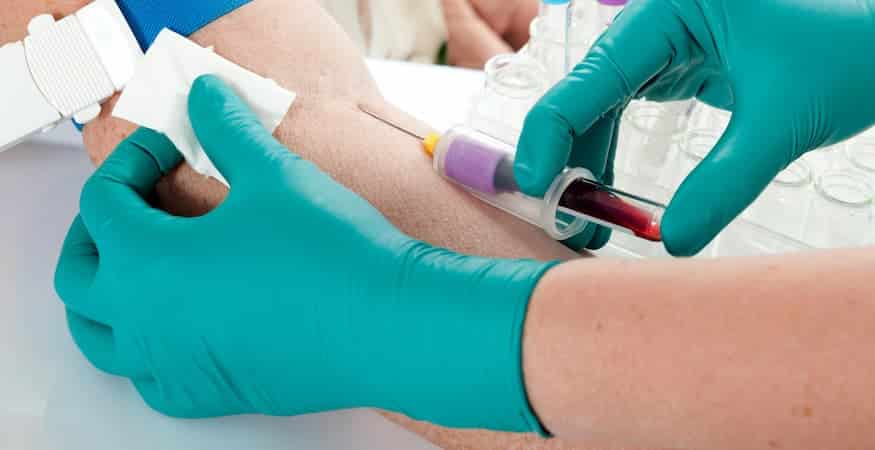
Blood draw evidence is critical in Colorado DUI cases, but its reliability hinges on proper handling at every stage. Defense attorneys meticulously examine the collection, storage, and testing processes to ensure the evidence can be trusted.
- Blood samples must be collected using correct techniques and preservatives to prevent degradation. Any mishandling can lead to inaccurate blood alcohol content readings.
- The chain of custody is vital; every individual who handles the sample must be documented to maintain its integrity. Gaps in this record can raise doubts about the evidence's reliability.
- Colorado law mandates strict procedures for blood draws, including who can collect samples and how they must be stored. Failure to follow these rules can challenge the admissibility of test results in court.
The chain of custody is crucial in Colorado DUI blood draws because it ensures that the evidence remains intact and unaltered from collection to testing. Any break in this chain can lead to questions about the validity of the blood alcohol results, making it essential for defense attorneys to examine how samples were handled throughout the process.
Blood draw evidence is often central to Colorado DUI cases, but its reliability depends on every step being handled correctly. From the use of proper preservatives that prevent fermentation, to a complete and documented chain of custody, to accurate lab testing procedures, even small errors can distort blood alcohol results. When breakdowns occur at any stage, the validity of the evidence comes into question. That’s why defense attorneys closely scrutinize how each sample was collected, stored, and tested, because these details directly impact whether the results can be trusted.
Why Blood Evidence Can Be Unreliable in Colorado DUI Cases
Blood evidence in Colorado DUI cases is often viewed as highly reliable, but in reality, several factors can make test results inaccurate or misleading. The process starts with how the blood is collected. If proper techniques are not followed or the correct preservatives and anticoagulants are not used, the sample can degrade or chemically change, potentially leading to an inflated BAC reading.
Handling and storage also play a critical role. When blood samples are not stored at the right temperature or are left sitting too long, fermentation can occur. This process allows bacteria to produce alcohol inside the sample itself, artificially increasing the reported BAC.
Equally important is the chain of custody. Every individual who handles the sample must be documented from collection to testing. Any gaps or inconsistencies in this record raise serious concerns about whether the sample was mixed up, contaminated, or tampered with.
Even in the lab, errors can happen. Testing equipment must be properly calibrated and maintained, and technicians must follow strict procedures. Small mistakes or poorly maintained machines can produce inaccurate results.
Colorado has established specific rules to ensure blood evidence is handled correctly at every stage. When those procedures are not followed, the reliability of the test results comes into question. Understanding these vulnerabilities is key to determining whether blood evidence should be trusted or challenged in a DUI case.
What Colorado Law Says About DUI Blood Draws
Colorado law strictly regulates how blood samples are collected and tested in DUI cases, primarily under C.R.S. § 42-4-1301.1, known as the Express Consent Law. These rules are designed to ensure both the reliability of evidence and the fair treatment of drivers.
You’ve Already Consented
- By driving in Colorado, you automatically agree to chemical testing after a lawful DUI arrest (implied consent)
- Refusing a blood draw can lead to immediate license suspension by the Colorado Division of Motor Vehicles—even before a court decision
Who Is Allowed to Draw Blood
- Only licensed and trained medical professionals can collect blood samples
- This protects both the integrity of the evidence and the safety of the driver
How Blood Samples Must Be Handled
- Proper preservatives (like sodium fluoride and potassium oxalate) must be used to prevent breakdown
- Samples must be sealed and stored under controlled, refrigerated conditions
- Testing must be performed at a lab certified by the Colorado Department of Public Health and Environment
Why These Rules Matter
- Ensure blood test results are accurate and admissible in court
- Create consistent standards across all law enforcement agencies
When these procedures are not followed, such as using improper preservatives, failing to document handling, or testing at an uncertified lab, the reliability of the blood evidence can be challenged and, in some cases, excluded altogether.
What Is Chain of Custody and Why Does It Matter?
In a Colorado DUI case, a blood sample passes through many hands: the phlebotomist who draws it, the officer who stores it, and the lab analyst who tests it. Every person who touches that sample must be recorded in an official document called the chain of custody.
What chain of custody tracks:
- Who handled the sample
- When each transfer happened
- How the sample was stored
- Whether proper conditions were maintained at every stage
Blood evidence can break down, get contaminated, or be tampered with over time. Because of this, Colorado courts require prosecutors to show a complete, unbroken chain of custody before BAC (blood alcohol content) test results can be used in court.
Why gaps in the chain matter:
A missing signature, an undocumented transfer, or an unexplained gap in possession raises a serious question — was the sample handled properly? If the answer is unclear, the sample’s reliability is in doubt.
Defense attorneys look closely at the chain of custody records in DUI cases. A break in the chain, even a small one, can be used to challenge the test results.
If a judge agrees that the chain of custody was compromised, the BAC results may be thrown out entirely and cannot be used as evidence against the defendant.
The Most Vulnerable Points in the DUI Blood Chain of Custody
A DUI blood sample can be challenged in court when it is mishandled at key stages. Four stages carry the highest risk of error: collection, transport, lab intake, and storage.
- Collection is the first danger zone. A nurse or technician may use the wrong needle technique or unsterile equipment. This can contaminate the blood before it even leaves the room where it was drawn.
- Transport creates a second set of problems. Blood must stay at a controlled temperature during the ride from the hospital or police facility to the lab. If the cooler fails or the label falls off, the sample may be ruined or confused with another person’s blood.
- Lab intake is where arrival problems get hidden. A lab worker who skips writing down the condition of the sample when it arrives makes it impossible to trace damage back to the transport stage.
- Storage is the final weak link. Blood stored at the wrong temperature, in a crowded refrigerator, or in a mislabeled vial can break down from bacterial growth or chemical change.
At every handoff between these stages, a person must sign their name to show they handled the sample. These signatures form the chain of custody. A missing signature or incomplete record gives a defense attorney legal grounds to argue that the blood alcohol result is unreliable and should not be used as evidence.
How Chain of Custody Failures Can Get Your DUI Charges Dismissed
When a blood sample is mishandled in a DUI case, the legal consequences can determine whether the charges survive or collapse. A defense attorney can file a motion to suppress the blood test results when there is clear proof of a chain of custody failure. If a judge grants that motion, the BAC (blood alcohol content) reading gets thrown out of court.
Without that BAC number, prosecutors in Colorado often cannot build a strong enough case to prove the DUI charge, which can lead to the case being dismissed.
Colorado courts look at a specific question: Did the mishandling actually put the accuracy of the blood sample at risk? A small paperwork mistake alone may not be enough. What matters is whether the failure could have allowed the sample to be contaminated, swapped, or altered.
Common chain of custody problems that can support a suppression motion include:
- Gaps in documentation — periods where no one recorded who had the sample
- Improper storage — blood stored at the wrong temperatures or in unsecured locations
- Unverified transfers — no record of who moved the sample from one place to another
- Missing signatures — lab technicians or officers who failed to sign off at required steps
The stronger the connection between the specific failure and a real risk that the sample was compromised, the better the chances that a judge will exclude the evidence.
A defense attorney’s job is to make that connection clear and direct.
What Preservatives Are Used in DUI Blood Samples
Blood drawn in a Colorado DUI case does not stay chemically stable on its own. Without protection, the blood sample can break down or ferment. To prevent this, collection tubes contain specific chemical additives that preserve the sample until it can be tested.
The Two Main Preservatives
Sodium Fluoride stops a process called glycolysis — the breakdown of sugar in blood. This is important because bacteria in the blood can convert sugar into alcohol through fermentation. If fermentation happens inside the tube, the alcohol level in the sample will appear higher than it actually was when the person was driving.
Potassium Oxalate acts as an anticoagulant, meaning it keeps the blood from clotting. Clotting causes cellular breakdown, which can also interfere with accurate testing.
| Additive | Role in the Sample |
| Sodium Fluoride | Blocks fermentation; stops sugar breakdown |
| Potassium Oxalate | Prevents blood clotting and cell damage |
| Sodium Fluoride + Potassium Oxalate | Combined formula used in standard DUI gray-top tubes |
| EDTA | Alternative anticoagulant used in some lab protocols |
Why Sample Integrity Matters
Gray-top collection tubes used in DUI blood kits are designed to hold both preservatives together. The tube must be properly mixed after collection and must not be expired.
When these conditions are not met, sample integrity fails. Problems include:
- Wrong additive ratios — too little sodium fluoride allows fermentation to begin
- Expired tubes — degraded chemicals lose their preserving ability
- Inadequate mixing — preservatives do not reach all parts of the sample
Any of these failures can cause the measured blood alcohol content (BAC) to read higher than the driver’s actual BAC at the time of the stop. This is a known and documented issue in forensic toxicology, and it can be a legitimate basis for challenging DUI blood test results in court.
What Happens When the Wrong Preservative Is Used
Using the completely wrong preservative in a blood sample causes more damage than simply using the right one in the wrong amount. A preservative is a chemical added to a blood collection tube to keep the sample stable and accurate after collection.
Two common preservatives used in DUI blood kits are sodium fluoride, which stops sugar from breaking down, and potassium oxalate, which prevents clotting.
When the wrong preservative is used, for example, replacing sodium fluoride with an unrelated compound, the blood sample loses its chemical protection. Without proper preservation, enzymes inside the blood continue working. These enzymes can break down glucose and produce ethanol, a form of alcohol, through a natural process called fermentation.
This means the lab may detect alcohol that was never actually consumed by the person tested. This creates a serious problem in court. A lab technician must determine whether the alcohol reading came from what the person drank or from chemical changes inside the tube after collection.
That distinction is difficult to prove when the wrong preservative was used. The problem does not stop at the first test. If the wrong preservative reacted with the blood, running the test again may produce a different result each time.
Inconsistent results make the blood evidence unreliable. A defense attorney can use this to challenge the accuracy of the reported blood alcohol concentration, and the prosecution may not be able to prove the number is trustworthy.
How Improper Storage Corrupts DUI Blood Samples
Blood samples in DUI cases must be stored under strict conditions to preserve their accuracy. Proper storage is not optional—it is a scientific requirement that directly impacts whether the results can be trusted in court.
- Temperature control is critical: Samples should be refrigerated between 2°C and 8°C (35°F to 46°F). Within this range, bacterial activity slows, and the blood remains chemically stable.
- Warm storage leads to fermentation: When samples are left at room temperature or higher, bacteria begin consuming sugars in the blood and producing alcohol. This process can artificially raise the reported BAC, even though no additional alcohol was consumed.
Other storage failures can also compromise the sample:
- Light exposure can break down key chemical components over time
- Freeze-thaw cycles weaken preservatives and destabilize the sample
- Improper sealing allows evaporation or contamination, altering the chemical makeup
Defense attorneys closely examine storage conditions by reviewing temperature logs, handling records, and chain-of-custody documentation. Any irregularity, such as temperature fluctuations, missing records, or broken seals, raises serious concerns about the integrity of the sample.
When proper storage protocols are not followed, the science behind the BAC result becomes unreliable, giving the defense strong grounds to challenge whether that evidence should be used at all.
How Fermentation Can Artificially Inflate Your BAC Reading
Fermentation is a chemical process where tiny living organisms like yeast and bacteria eat sugars and produce alcohol as a byproduct. When a stored blood sample becomes contaminated this way, it can show a higher blood alcohol content (BAC) reading than what was actually in a person’s body at the time of the blood draw.
Three conditions cause fermentation to grow inside a blood sample:
- Not enough sodium fluoride — This chemical preservative is added to blood tubes to stop microbial growth. When the amount is too low, bacteria and yeast can survive and multiply.
- Warm storage temperatures — Heat speeds up microbial activity. A sample left in a warm environment produces alcohol faster.
- Delayed refrigeration — The longer a sample sits at room temperature before being refrigerated, the more time organisms have to grow and generate alcohol.
The alcohol created inside the tube was never in the person’s body. A BAC test result that includes this lab-produced alcohol gives a false and inflated reading.
How this gets detected:
Forensic scientists and defense experts can identify fermentation contamination by:
- Testing headspace gas — the trapped air inside the sealed sample tube — for unusually high alcohol vapor levels.
- Checking whether the sodium fluoride concentration in the sample falls below the standard required amount.
- Comparing results from a reanalysis performed by an independent certified laboratory.
A contaminated sample cannot be considered a reliable measurement of a person’s actual alcohol level at the time of driving.
What Colorado Requires From DUI Testing Laboratories
Colorado has strict rules for labs that test blood samples in DUI cases. These rules come from Colorado Code of Regulations 5 CCR 1005-2.
What Labs Must Do
Labs must track every blood sample from collection to analysis. This tracking system is called chain of custody. It shows who handled the sample, when, and why.
Labs must also use testing methods that Colorado has approved for DUI blood analysis.
Who Can Work in These Labs
Only trained staff can handle DUI blood samples. These workers must understand forensic toxicology, which is the science of detecting drugs and alcohol in the human body.
Equipment and Quality Checks
Testing machines must be calibrated, meaning they are checked and adjusted to give accurate readings. Labs must keep records of these calibrations.
Each time a batch of samples is tested, labs must include quality control samples. These are known samples used to confirm the machines are working correctly.
Oversight and Inspections
The Colorado Department of Public Health and Environment inspects these labs. Labs must also complete regular proficiency tests, which show that their staff and equipment can produce accurate results.
Why This Matters in Court
When a lab skips or fails any of these steps, the blood test results may not be reliable.
A defense attorney can challenge blood evidence in a DUI case if lab procedures were not followed. This can affect the outcome of criminal charges.
The Most Common Lab Errors in DUI Blood Testing
Lab mistakes happen in DUI blood tests, even when labs try to follow the rules. These mistakes can make test results wrong or unreliable. Three major types of errors stand out:
- Contamination
Contamination occurs when one blood sample mixes with another, or when testing equipment is not properly cleaned. Foreign substances can enter the sample and change the blood alcohol content (BAC) reading. BAC measures the amount of alcohol in a person’s blood. A contaminated sample may show a higher or lower alcohol level than what was actually present.
- Instrument Calibration Failures
Labs use a machine called a gas chromatograph to measure BAC. This machine must be checked and adjusted on a regular schedule to stay accurate. When the machine falls out of alignment — called calibration drift — or is not properly tested and approved, the BAC results it produces cannot be trusted.
- Improper Sample Handling
Blood samples must be stored and handled the right way after collection. Problems include:
- Too little preservative mixed with the blood
- Not shaking or mixing the sample after collection
- Storing the sample at the wrong temperature
These conditions allow fermentation to happen inside the sample tube. Fermentation is a chemical process where natural bacteria convert sugars into alcohol. This raises the ethanol level in the sample, making it appear the person had more alcohol in their system than they actually did.
Each of these errors affects whether a blood test result can be used as reliable evidence in court. Defense attorneys in Colorado DUI cases review lab records, calibration logs, and quality control reports to find these problems and question whether the test results should be allowed as evidence.
Can You Request an Independent Retest of Your DUI Blood Sample in Colorado?
If you’re charged with a DUI in Colorado, you have the right to request an independent retest of your blood sample. This allows a qualified lab of your choosing to analyze the same sample used by the prosecution, helping ensure the evidence against you is accurate and reliable.
In practice, this right comes with important conditions:
- The original sample must have been properly stored and preserved; otherwise, it may no longer be suitable for retesting
- Timing matters—you typically have a limited window to request the retest, so acting quickly is critical
- Your defense attorney coordinates the process, ensuring the sample is transferred and handled under strict chain-of-custody protocols to maintain its integrity
An independent retest can play a significant role in your defense. If the new results differ from the original, it can:
- Cast doubt on the accuracy of the prosecution’s evidence
- Reduce the credibility or weight of the original BAC result
- Support motions to limit or exclude flawed test results in court
Ultimately, requesting an independent retest is a powerful legal safeguard. It helps hold the state’s evidence to a higher standard and protects your right to a fair and accurate DUI case.
How Colorado DUI Defense Attorneys Challenge Blood Test Evidence
When someone is charged with a DUI in Colorado, the prosecution often relies on blood test results to prove the driver was over the legal limit. A skilled DUI defense attorney will look closely at how that blood was collected, stored, and tested. Mistakes at any stage can make the results unreliable.
Three key ways attorneys challenge blood test evidence:
- Chain of Custody Problems
Every blood sample must be tracked from the moment it is drawn to the time it is tested in court. If that tracking record has gaps or errors, the sample may have been mixed up, contaminated, or tampered with. A broken chain of custody can get the evidence thrown out.
- Problems With the Blood Vial
Blood samples are stored in special vials that contain two important chemicals: a preservative and an anticoagulant. These chemicals keep the blood from breaking down or clotting. If the amounts are wrong, the blood can begin to ferment inside the vial. Fermentation produces alcohol, which makes the BAC reading appear higher than it actually was.
- Lab Testing Errors
Blood alcohol testing uses a process called headspace gas chromatography. The machine must be properly calibrated, and the technician must follow exact procedures. Defense attorneys request calibration logs, testing protocols, and analyst credentials to find any steps that were skipped or done incorrectly.
Any one of these problems can weaken the prosecution’s case and may lead to reduced charges or a full dismissal.
Next Steps If You Suspect Your Blood Evidence Was Mishandled
If you suspect your blood evidence was mishandled in a DUI case, acting quickly is critical. Delays can result in lost records, degraded samples, and missed opportunities to challenge the evidence.
The first step is hiring an experienced DUI defense attorney who can immediately begin reviewing key aspects of your case, including:
- Chain-of-custody records to identify gaps in who handled your sample and when
- Laboratory protocols to determine whether proper testing procedures were followed
- Storage and preservation logs to verify that the sample was kept under correct conditions
From there, your legal team will take strategic action:
- Hire a DUI defense attorney to start building your case as early as possible
- Request chain-of-custody documentation to uncover inconsistencies or missing links
- Obtain lab audit and testing records to identify procedural violations or errors
- Preserve the sample for independent testing to allow a second lab to verify results
- File discovery motions to compel the prosecution to turn over all relevant evidence
Your attorney may also use subpoenas to obtain critical details such as technician qualifications, temperature logs, and the condition and expiration of testing chemicals.
If errors or violations are found, your attorney can file a suppression motion asking the court to exclude the blood test results. When successful, this can significantly weaken the prosecution’s case and, in some situations, lead to reduced charges or even dismissal.
Share This Story, Choose Your Platform!
Table of Contents
DUI Law Firm Denver is excellent. Emilio De Simone and his team are intelligent, professional, honest, and trustworthy. Not only did they successfully handle my DUI charge, but they also dealt with other related issues. I highly recommend them for all your legal problems.
Related Reading

A missed DUI court date in Colorado can turn a defendable case into an arrest situation overnight. The judge may issue a bench warrant the same day you fail to show up. Acting within hours, not days, gives you the best chance to limit the damage. Maybe you wrote down the wrong date. Maybe you [...]
After a Colorado DUI, the court and the Colorado DMV both expect you to complete alcohol education before your case fully closes. Colorado DUI alcohol education classes are court- and probation-ordered programs that follow a required alcohol and drug evaluation. That evaluation decides how many hours of class and therapy you must finish. Imagine a [...]
Your first DUI court appearance in Denver is a hearing called an arraignment, where you formally learn the charges against you and enter a plea. If you were arrested near Speer Boulevard on a Friday night, you may have left jail with a pink summons listing a court date at the Lindsey-Flanigan Courthouse. That single [...]