Driving Under the Influence of Dehydration: How Dehydration Can Affect Driving Performance, DUI Investigations, and Your Legal Defense
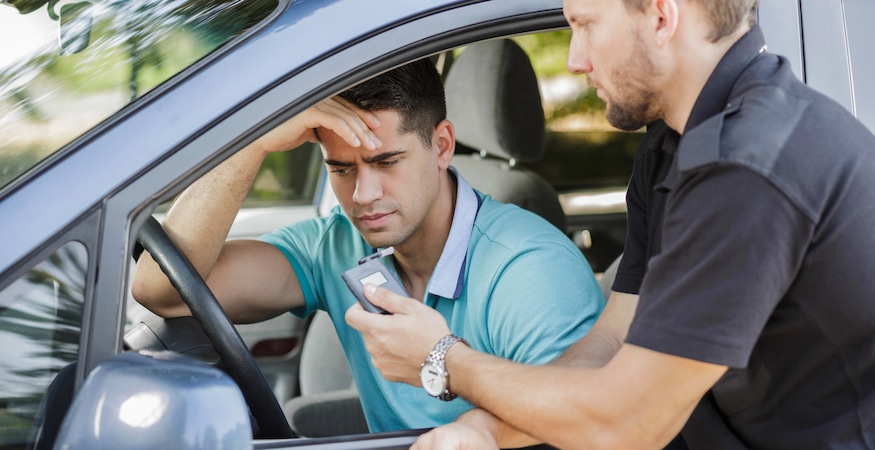
Dehydration can impair driving ability and may affect the accuracy of DUI testing, potentially leading to false positives or unreliable results during investigations.
- Dehydration causes symptoms like fatigue, dizziness, and reduced concentration that mirror signs of intoxication. Officers may misinterpret these as evidence of impairment.
- Breath testing devices can produce inaccurate readings when a person is dehydrated because reduced saliva and mouth moisture affect alcohol concentration measurements.
- Defense attorneys can use documented dehydration as part of a legal strategy to challenge field sobriety test results and breathalyzer accuracy in DUI cases.
Dehydration can reduce concentration, slow reaction time, and cause symptoms that may resemble impairment while driving. Severe fluid loss affects cognitive function and physical coordination, making it harder to focus on the road and respond quickly to hazards. These effects can lead to driving errors that might be mistaken for alcohol or drug impairment during traffic stops.
Most people associate impaired driving with alcohol or drugs, but dehydration can also affect your ability to operate a vehicle safely. While dehydration alone is not the same as driving under the influence (DUI), severe fluid loss can reduce concentration, slow reaction time, and cause symptoms that may resemble impairment.
Understanding how dehydration affects your body can help you recognize the warning signs, reduce your risk of accidents, and know when to seek medical attention before getting behind the wheel.
How Dehydration Can Affect Your Driving
Your brain and body rely on proper hydration to function efficiently. When you’re dehydrated, even routine driving tasks can become more difficult.
Reduced Focus and Concentration
Dehydration can affect cognitive performance, making it harder to stay alert and process information quickly.
You may experience:
- Difficulty concentrating.
- Mental fatigue.
- Confusion.
- Trouble making quick decisions.
These symptoms can reduce your ability to react to changing road conditions.
Slower Reaction Time
Safe driving depends on responding quickly to unexpected situations.
Severe dehydration may slow your ability to:
- Brake suddenly.
- Avoid obstacles.
- Respond to traffic signals.
- React to other drivers.
Even a slight delay can increase the risk of a collision.
Dizziness and Physical Fatigue
Dehydration may also cause physical symptoms that interfere with driving, including:
- Dizziness.
- Headaches.
- Muscle weakness.
- Blurred vision.
- Fatigue.
If you experience these symptoms, it is safest to stop driving until you have recovered.
Can Dehydration Be Mistaken for Intoxication?
Although dehydration is not a DUI offense, some of its symptoms may resemble signs of alcohol or drug impairment.
For example, severe dehydration can contribute to:
- Slurred speech.
- Poor coordination.
- Confusion.
- Difficulty following instructions.
- Unsteady balance.
Because these symptoms may overlap with signs of impairment, law enforcement officers typically evaluate the totality of the circumstances rather than relying on a single observation.
Medical conditions, witness statements, field sobriety tests, and chemical testing may all play a role in determining whether a driver is impaired.
Can Dehydration Lead to a DUI Charge?
Dehydration by itself does not result in a DUI conviction. Colorado DUI laws generally require evidence that alcohol, drugs, or certain substances impaired the driver’s ability to operate a vehicle safely.
However, if dehydration contributes to driving behavior that raises concern, an officer may begin a DUI investigation to determine the cause of the impairment.
Each case depends on its specific facts, available evidence, and the results of the investigation.
How to Reduce the Risk of Dehydration While Driving
Staying hydrated is a simple way to support safe driving, especially during hot weather or long road trips.
Practical Tips
Before driving:
- Drink water throughout the day.
- Eat balanced meals with adequate fluids.
- Take breaks during long trips.
- Keep a water bottle in your vehicle.
- Avoid driving if you feel dizzy or faint.
These habits can help maintain concentration and improve overall driving performance.
When Should You Seek Medical or Legal Help?
If dehydration causes severe symptoms such as confusion, fainting, or loss of coordination, seek medical attention immediately rather than continuing to drive.
If you are investigated or arrested for DUI and believe a medical condition—including dehydration—may have affected the situation, speaking with an experienced DUI attorney can help you understand your legal rights. An attorney can review the evidence, evaluate the circumstances surrounding the traffic stop, and determine whether additional medical documentation or expert analysis may be relevant to your defense.
Share This Story, Choose Your Platform!
Table of Contents
Emilio was a huge help with my case. I never expected to find somebody who was so knowledgeable and professional. He knew so much about the law there was never a doubt that he was going to get me the best possible outcome. I cannot thank him enough.
Related Reading

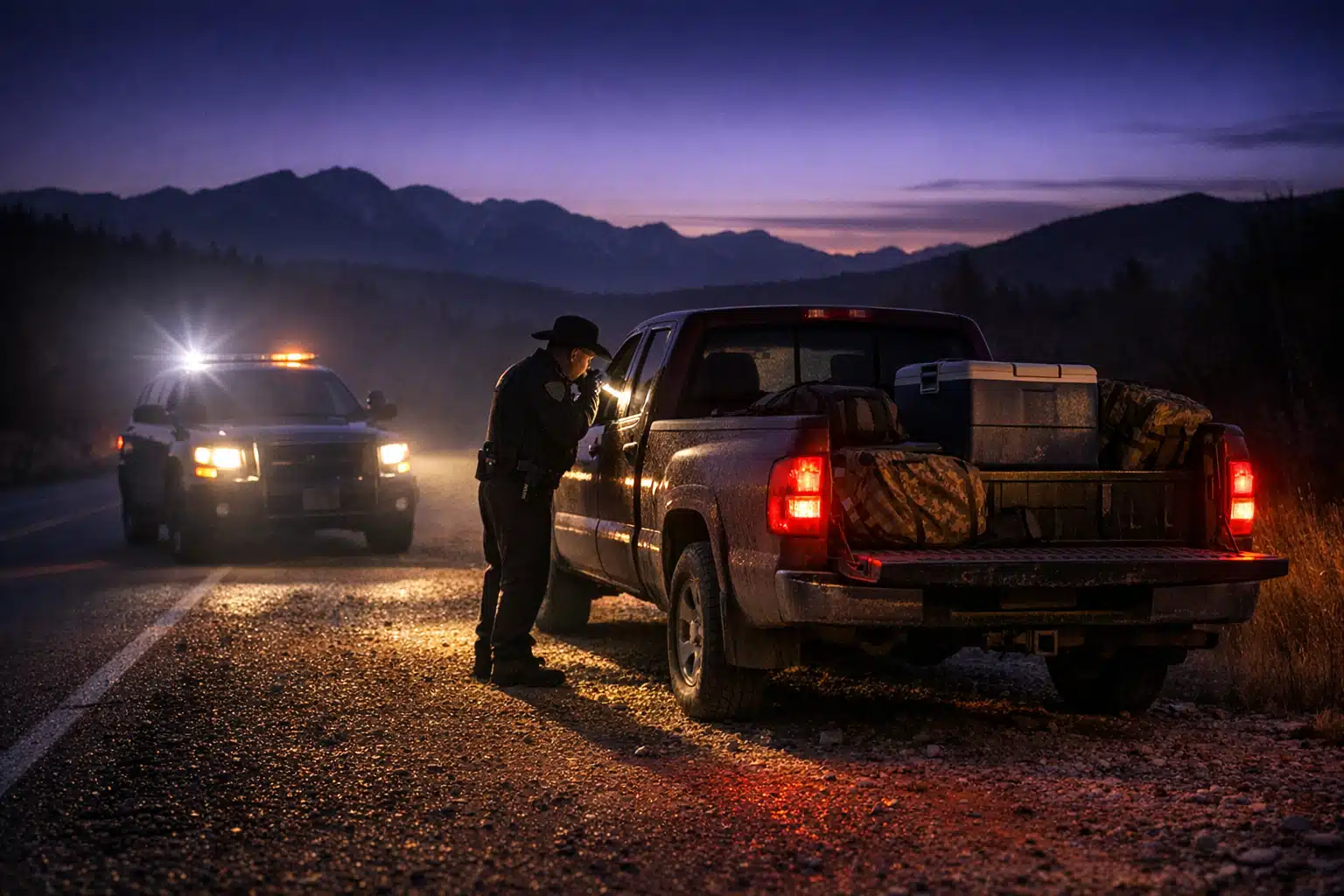
A hunting season DUI Colorado charge often starts on a dark county road before dawn. You are driving back from a weekend elk camp near Craig or Gunnison, a loaded cooler in the back, rifles cased behind the seat. A sheriff’s deputy pulls you over for a cracked taillight, smells last night’s beer, and the [...]
An Oktoberfest DUI Colorado arrest frequently starts the same way: three steins of German lager that each carry nearly double the alcohol of a standard domestic beer. A driver who feels fine after a fall festival in Denver can still blow a 0.12 at the roadside. Fall beer festivals create a specific trap because traditional [...]
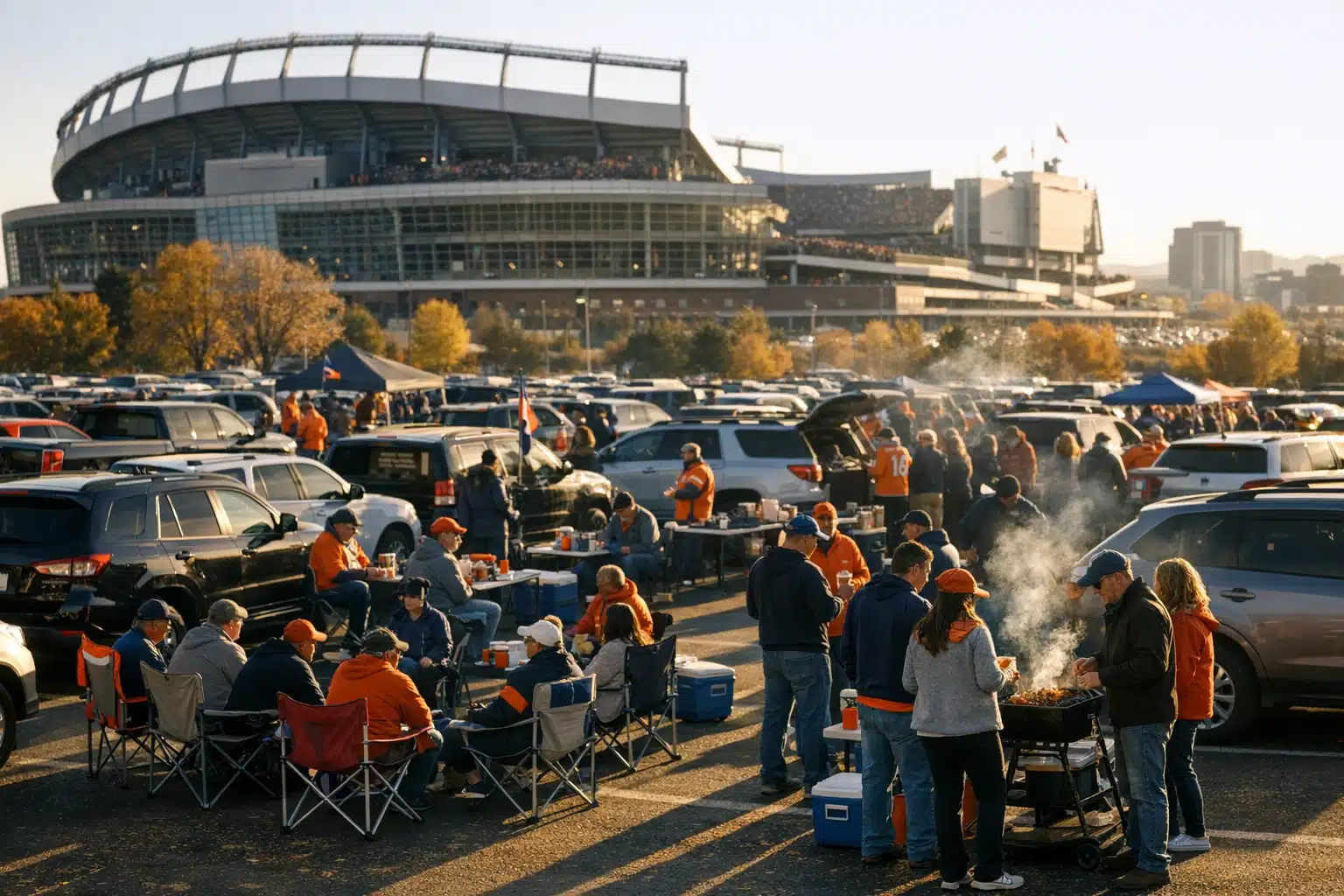
Arrested for a Denver Broncos game DUI means two separate problems start at once: a criminal case and a driver’s license case. The license case moves faster. You have 7 days from the arrest to request a hearing with the Colorado DMV, or your license suspension begins automatically. Fall Sundays at Empower Field at Mile [...]