What Officers Are Trained to Note in a DUI Report
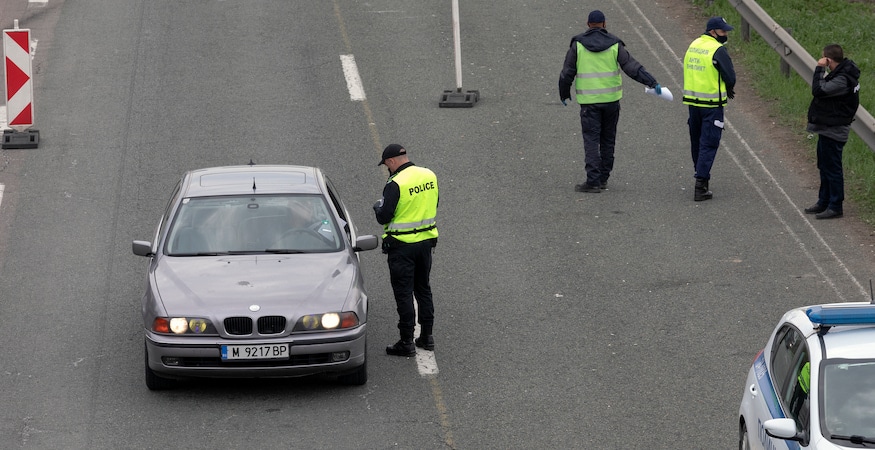
A DUI report documents specific observations from the moment an officer spots a vehicle through the arrest. Officers are trained to record driving behavior, physical signs of impairment, field sobriety test results, chemical tests, and driver statements.
- Officers watch for driving patterns like weaving, sudden braking, and wide turns before making a stop. They record time, location, and conditions to establish reasonable suspicion for the pullover.
- Physical signs documented include red or watery eyes, alcohol odor, slurred speech, and difficulty handling documents. Each observation is written with precise factual language rather than opinions.
- Environmental factors like road surface, weather, and traffic volume are recorded at the time of the stop. These details provide context for evaluating whether driving behavior indicates impairment.
Police officers document several key elements in a DUI report, including observations of driving behavior, physical signs of impairment such as slurred speech or bloodshot eyes, field sobriety test performance, chemical test results from breath or blood samples, and any statements made by the driver. These details form the foundation of evidence in drunk driving cases.
A DUI report is one of the most important pieces of evidence in a drunk driving case. From the moment an officer observes a vehicle to the time an arrest is made, specific details are documented to support the investigation. These reports typically include observations about driving behavior, physical signs of impairment, field sobriety test performance, chemical test results, and statements made by the driver.
Understanding what officers are trained to note can provide valuable insight into how DUI cases are built and challenged in court.
How Officers Spot Impaired Driving Before the Traffic Stop
Police officers begin watching a driver’s behavior before they ever pull that driver over. This observation period is a key part of any DUI investigation.
Officers are trained to recognize specific driving patterns that suggest a driver may be impaired. These patterns include:
- Weaving between lanes
- Straddling lane markers
- Making wide turns
- Braking suddenly without cause
- Driving much slower than surrounding traffic
These behaviors come from standardized police training programs and are recognized indicators of possible alcohol or drug impairment.
While watching, officers record important details such as:
- Time of day
- Location of the vehicle
- Lighting conditions
- Road and traffic conditions
Each driving behavior is recorded separately and in the order it happened. This creates a clear, accurate record of events. Officers begin this documentation before they make any contact with the driver.
This pre-stop record matters in court. A judge uses these observations to decide whether the officer had a valid reason, called reasonable suspicion, to pull the driver over in the first place.
Without documented evidence of unusual driving behavior, a traffic stop for suspected DUI may not hold up legally.
The observation phase is the foundation on which the entire DUI case is built.
Driving Behaviors That Trigger a DUI Pullover
Driving behaviors that suggest impairment give police officers a legal reason to pull someone over. Police training teaches officers to look for specific patterns that signal a driver may be drunk or impaired.
Unsafe Lane Behaviors
Weaving between lanes, straddling lane markers, and drifting onto road shoulders are red flags. These movements show a driver has lost basic vehicle control.
Speed and Braking Problems
Driving well below the speed limit, braking suddenly for no clear reason, and traveling at inconsistent speeds all suggest impaired judgment. Following other cars too closely is a concern as well.
Traffic Signal and Sign Violations
Running red lights or stop signs and responding slowly to traffic signals are clear signs of impaired reaction time. Failing to use turn signals falls into this category too.
Making Wide or Unsafe Turns
Turning too wide at intersections is a common sign that a driver cannot properly judge distance or direction.
How Officers Document What They See
Officers record each problem behavior they observe. Their notes include the time, location, and how long the behavior lasted.
This written record creates what is called probable cause, which is the legal requirement needed to justify stopping a driver. That same documentation supports any field sobriety tests that follow the stop.
The First Minute of Contact: Initial Observations Officers Document
When an officer walks up to a stopped vehicle, observation starts right away. Before any words are exchanged, the officer is already collecting information. That information will later be written into an official report.
What Officers Look For First
Officers are trained to notice specific physical signs. These signs are grouped into four main categories:
- Driver position – Is the driver sitting normally? Slumping or struggling to stay upright can be a sign of impairment.
- Eye condition – Red eyes, watery eyes, or eyes that cannot stay focused are notable physical indicators.
- Odor – The smell of alcohol, marijuana, or strong air fresheners detected at the window is documented as evidence.
- Movement and hand behavior – Shaking hands, difficulty handling a license or registration, or slow and clumsy movements are recorded as physical cues.
How Officers Write It Down
Each observation is written with precision. The report includes:
- What was seen or smelled
- When it was noticed during the stop
- How close the officer was at the time
Officers use factual, concrete language. Words like “appeared” or “seemed” are replaced with exact descriptions of what was seen. This keeps the report objective and grounded in real, observable facts.
Road, Weather, and Traffic Conditions That Can Influence an Officer’s Notes
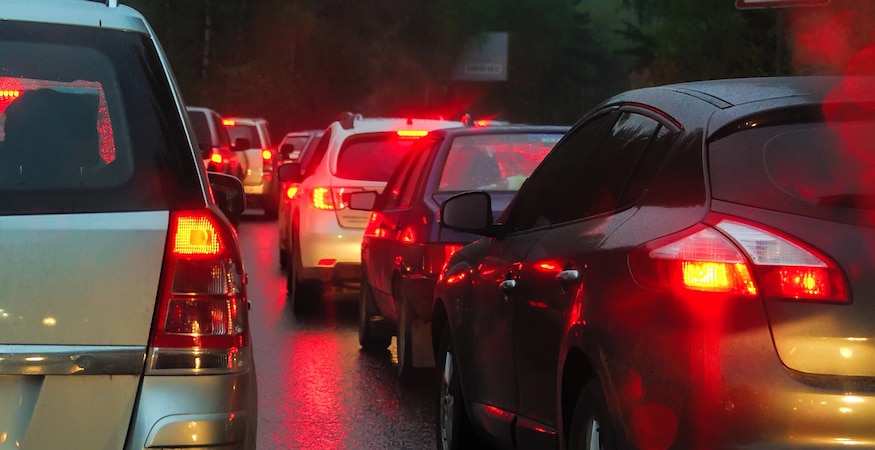
Officers record road conditions, weather, and traffic levels as part of every traffic stop or DUI investigation. These environmental details help explain whether outside factors played a role in how a driver was behaving, or whether the driver’s behavior stands out even under good driving conditions.
| Condition Category | Documented Examples |
| Road Surface | Dry, wet, icy, gravel, construction zones |
| Weather | Clear, rain, fog, snow, wind, darkness |
| Visibility | Street lighting, headlight function, obstructions |
| Traffic Volume | Light, moderate, heavy, congested |
Each category captures something specific. Road surface tells whether traction was a factor. Weather shows what the driver was dealing with in terms of visibility and control. The visibility category goes beyond weather and includes things like broken streetlights or objects blocking a driver’s sightline. Traffic volume reflects how much pressure or congestion surrounded the driver at the time.
These details matter because they give meaning to everything else the officer writes down. A driver who weaves across lane lines on a dry, well-lit road with almost no other cars around raises more concern than a driver who drifts slightly while navigating heavy rain on a dark road. The environmental record does not excuse impaired driving. It gives the full picture so that the evidence can be read clearly and fairly.
Officers document these conditions at the time of the stop, not after the fact, which keeps the record accurate and tied directly to what was observed.
Physical Signs of Impairment Officers Look for
When a police officer walks up to a car during a DUI stop, they start looking for signs of impairment right away before the driver says a word.
Officers are trained to spot and record specific physical clues:
- Eyes: Red, glassy, or watery eyes can be a sign that someone has been drinking alcohol or using drugs.
- Smell: The scent of alcohol or marijuana coming from the driver or the inside of the car.
- Body control: Shaky hands, trouble grabbing their license or registration, or difficulty sitting up straight.
- Speech and appearance: Slurred or hard-to-understand speech, a flushed (red) face, messy clothing, or a look of confusion.
These clues matter because they give officers early, visible evidence of possible impairment.
Each sign is written down with clear detail: what the officer saw, how strong the sign was, and when it happened.
This written record becomes part of the official case. It connects to other evidence gathered during the stop, such as field sobriety tests (like walking a straight line) and chemical tests (like a breathalyzer or blood test).
Together, these pieces of evidence build a full, accurate picture of whether the driver was impaired at the time of the stop.
Speech Patterns, Communications, and Responses That Get Flagged in a DUI Report
A driver’s speech and verbal responses give officers another set of facts to record during a DUI investigation. Officers are trained to listen carefully and document exactly what they hear, using specific descriptions rather than general conclusions.
- Slurred speech occurs when words blur together or consonants become unclear. This suggests reduced muscle control in the mouth and tongue.
- Thick-tongued delivery means the driver speaks with labored effort, as if forming words requires unusual concentration. This points to reduced motor control.
- Slow response time refers to long pauses before answering basic questions. This may reflect impaired cognitive processing — the brain’s ability to receive, interpret, and respond to information.
- Rambling or incoherent statements happen when a driver’s answers are disorganized or off-topic. Normal conversation follows a logical structure; these responses do not.
- Repetition is when a driver restates the same information without realizing it. This signals a breakdown in short-term memory function.
- Inability to follow instructions means the driver fails to respond correctly to clear, direct questions or commands.
Each observation is written in the officer’s own words and describes actual behavior, not opinions or conclusions. This keeps the report grounded in factual, documented evidence that can be reviewed, challenged, or verified in court.
What an Officer’s Eye Observations Reveal in a DUI Report
A driver’s eyes give police officers important clues about possible impairment. Officers are trained to look for specific eye signs that may indicate alcohol or drug use.
What Officers Look For
During a DUI stop, officers check for four key eye-related signs:
- Nystagmus: This is when the eyes move or “jerk” side to side without the person controlling it. Officers use the Horizontal Gaze Nystagmus (HGN) test to check for this. The officer moves a finger or small light slowly in front of the driver’s face and watches how the eyes follow it.
- Abnormal pupil size: Pupils naturally get bigger in dim light and smaller in bright light. Pupils that are too large or too small for the lighting conditions can signal drug or alcohol influence.
- Red or watery eyes: Bloodshot or glassy-looking eyes are a common sign of alcohol or drug use.
- Inability to track smoothly: Healthy eyes follow a moving object in a smooth, steady path. Eyes that jump or jerk while trying to track movement suggest possible impairment.
Nervous, Aggressive, or Uncooperative: How Demeanor Gets Documented
When a driver is pulled over, how they act matters just as much as what the officer sees.
- Nervous Behavior: A nervous driver might have shaking hands, sweat heavily, or talk too much about things that have nothing to do with the stop. These signs alone do not prove guilt, but they become part of the record.
- Aggressive Behavior: Aggression includes raising a voice, using threatening words, or refusing to follow lawful instructions from the officer. These actions are noted with detail, not labeled broadly as “bad attitude.”
- Uncooperative Behavior: A driver who refuses to show ID, ignores direct commands, or gives answers that keep changing is considered uncooperative. Each action is recorded separately.
Officers write down when each behavior happened, what seemed to trigger it, and whether it got worse or calmed down. This level of detail helps separate someone who is genuinely impaired from someone who is simply nervous about being pulled over.
A well-documented report carries more weight in court because it is built on observable facts, not opinions.
Open Containers, Paraphernalia, and Other Vehicle Conditions Officers Log
What is inside a vehicle can become important evidence in a DUI case. Officers are trained to look for specific items and conditions. Each item is recorded carefully because it helps build a picture of what may have happened before the stop.
- Open alcohol containers — location in the vehicle, brand name, and whether the seal has been broken
- Drug paraphernalia — pipes, rolling papers, syringes, or surfaces with visible drug residue
- Prescription medications — pills or bottles left on seats, floors, or the center console, especially those labeled with impairment warnings
- Vehicle condition — signs of a recent collision, unusual parking position, or items thrown around the interior
Each item found serves a purpose in the legal process. A broken seal on a bottle suggests the drink was opened recently. A pipe with residue points to possible drug use. Scattered items may indicate a sudden stop or erratic driving.
Prosecutors use these findings to:
- Show why the officer had reason to make the stop or arrest
- Demonstrate that the driver may have been drinking or using drugs
- Challenge the driver’s explanation of where they were or what they were doing
What Triggers the Decision to Administer Field Sobriety Tests
Field sobriety tests are not given randomly. Officers follow a clear step-by-step process where they watch for signs of impairment before deciding to test a driver.
These signs show up at different points during a traffic stop:
- Driving behavior — weaving between lanes, running red lights, or braking at the wrong times
- Physical appearance — bloodshot eyes, flushed skin, or trouble with balance
- Speech — slurred words or slow responses
- Odor — the smell of alcohol or drugs coming from the driver or vehicle
- Answers to questions — stories that change or don’t match up
One sign alone is usually not enough. Officers are trained to look at the full picture. When several signs appear together — for example, slurred speech, red eyes, and the smell of alcohol — the officer has enough reason to move forward with field sobriety testing.
This decision is guided by two things:
- Department rules — standard procedures officers are trained to follow
- Legal standards — specifically, the legal concept of reasonable suspicion, which means an officer must have specific, explainable reasons to believe a driver may be impaired
Reasonable suspicion is a formal legal threshold established under the Fourth Amendment. It requires more than a guess but less than full proof of guilt.
Every observation an officer records helps create a clear, written record that can hold up in court. This protects both the driver’s rights and the integrity of the traffic stop.
How Field Sobriety Test Performance is Evaluated and Recorded
Field sobriety tests follow strict NHTSA guidelines. These guidelines help officers measure and record driver impairment in a consistent, reliable way.
Law enforcement officers look for specific signs of impairment called clues. Each test has a set number of clues, and each clue has a scoring threshold. When a driver reaches that threshold, it signals likely impairment.
What officers must record:
- Clue counts — the number of impairment signs observed during each test, measured against NHTSA’s validated pass/fail thresholds
- Instructions given — a record confirming the driver heard, understood, and acknowledged the test directions before starting
- Environmental conditions — details about lighting, road surface, and weather that could affect how well a person performs the test
- Physical disclosures — any medical conditions, injuries, or footwear issues the driver reported before testing began
Each recorded clue becomes evidence in a DUI case. Courts and attorneys review this documentation to determine whether the test was given correctly and whether the results are valid.
Missing or inconsistent records weaken the officer’s findings. Accurate, complete documentation protects the integrity of the entire DUI investigation.
How BAC Results and Refusals Are Logged in a DUI Report
When a driver is stopped on suspicion of drunk driving, one of the most important parts of the police report covers blood alcohol concentration (BAC) testing. BAC measures the amount of alcohol in a person’s blood. A reading of 0.08% or higher is the legal limit in most U.S. states for standard drivers.
Recording a BAC Result
Officers write down several key details when a BAC test is completed:
- The exact BAC number shown by the test
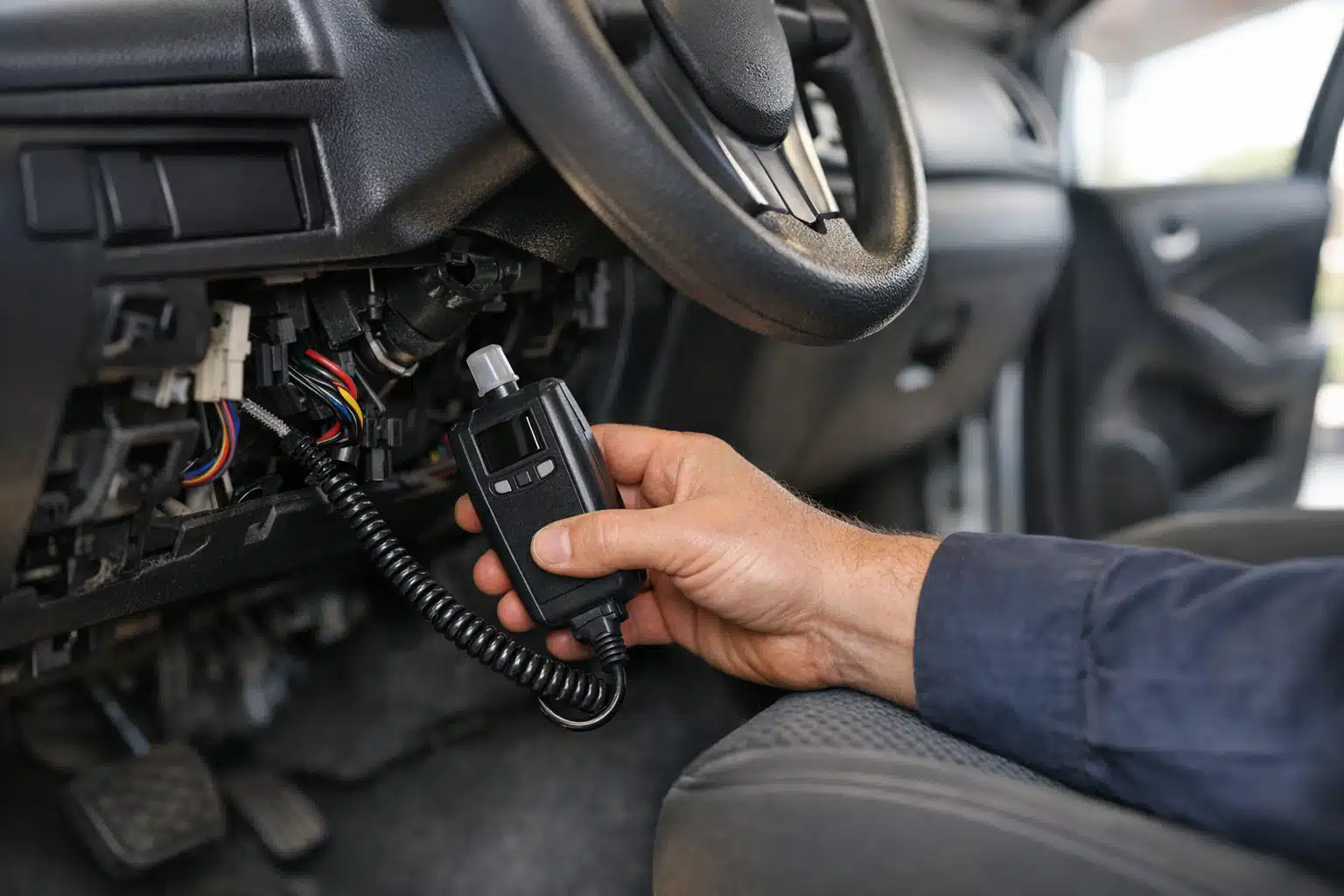
- The name and model of the testing device, such as a breathalyzer
- Whether the device was certified and properly calibrated
- The time the test was given
Calibration means the machine was checked and confirmed to give accurate readings. Officers attach or reference calibration logs and their own certification numbers to show the test was done correctly. This matters because courts look closely at whether the equipment worked properly.
Recording a Refusal
A driver has the right to refuse a chemical test, but refusing has legal consequences. When this happens, the officer documents:
- That the driver refused the test
- Whether the officer read the implied consent warning
- What the driver said or did in response
Implied consent is a law that says drivers automatically agree to testing by choosing to drive. In many states, the exact words of that warning must be written into the report.
Why This Documentation Matters
Every detail logged creates an evidence chain. Prosecutors use this chain to build a case. Defense attorneys use it to challenge the evidence. Judges use it to decide whether the BAC results can be used in court.
Accurate, complete records protect the integrity of the legal process on all sides.
Chemical Testing, BAC Results and Refusal Evidence in DUI Cases
Chemical testing is the foundation of DUI prosecution. The way test results are recorded on paper directly affects whether those results can be used as legal evidence in court. Officers learn that thorough, accurate documentation determines whether evidence holds up during trial.
Core documentation requirements include:
- Chain of custody: Every time a blood or breath sample changes hands, that transfer must be recorded. Without this record, defense attorneys can argue the sample was tampered with or mishandled.
- Instrument calibration records: Breathalyzers and other testing devices must have written maintenance and calibration histories. Courts require this proof to accept test results as reliable.
- Refusal notation: When a driver refuses chemical testing, that refusal must be documented. Under implied consent laws, drivers automatically agree to testing when they receive a license. A documented refusal serves as its own form of evidence and triggers separate legal penalties.
- Observation periods: Before administering a breath test, officers must monitor the driver for a set time period, typically 15 to 20 minutes. This waiting period prevents outside factors, such as burping or vomiting, from distorting results. Documentation of this monitoring window is required for results to be considered valid.
When documentation is incomplete or officers skip required steps, BAC results can be thrown out in court. This means a driver who was visibly impaired during the traffic stop may face no conviction, not because the test was wrong, but because the paperwork was flawed.
Passenger and Witness Statements in a DUI Report
When a driver is pulled over for suspected DUI, police officers collect statements from anyone present at the scene. These statements can support or challenge what the officer observed. Each statement is written down separately in the official police report.
Officers record key details for every statement:
- Who gave the statement (a passenger, bystander, or other driver)
- Their relationship to the driver (friend, stranger, coworker)
- Whether their account matches the physical evidence
Statements that conflict with each other are still recorded in full. Officers also note the behavior of each witness, whether they were cooperative, evasive, or showing signs of intoxication themselves.
All collected statements become part of the legal record. Both the prosecution and the defense can examine these statements during court proceedings. A complete and accurate record protects the integrity of the case and ensures fair treatment for all parties involved.
How Defense Attorneys Challenge Officer Observations and DUI Reports in Court
Defense lawyers look for mistakes, missing information, and rights violations in DUI reports. These problems can hurt the prosecution’s case. A clear, complete report helps prove an officer’s account is accurate and reliable. Gaps or contradictions give defense lawyers room to argue against the evidence.
Common areas defense lawyers attack:
- Vague or missing observations — When an officer does not clearly describe how a driver was behaving on the road or during field sobriety tests, a defense lawyer can argue the evidence is too weak to prove impairment.
- Broken chain of custody — Blood, breath, or urine samples must be handled and tracked carefully from collection to testing. Poor documentation of this process can make test results invalid in court.
- Constitutional rights violations — Officers must have a legal reason to stop a vehicle. They must also inform a suspect of their Miranda rights at the correct point during an arrest. Skipping these steps can get evidence thrown out.
- Lack of proper certification — Officers must be trained and certified to give standardized field sobriety tests. Without proof of that training, a defense lawyer can question whether the tests were done correctly.
A complete, accurate, and detailed report is the most reliable protection an officer has against these legal challenges.
Share This Story, Choose Your Platform!
Table of Contents
DUI Law Firm Denver is excellent. Emilio De Simone and his team are intelligent, professional, honest, and trustworthy. Not only did they successfully handle my DUI charge, but they also dealt with other related issues. I highly recommend them for all your legal problems.
Related Reading

A first DUI in Colorado in 2026 usually costs between $10,000 and $13,000 once every expense is added up. Most people expect a fine and a court date. Few expect the years of insurance increases and interlock fees that follow. The cost of a DUI Colorado 2026 stretches far beyond the courtroom. It includes bail, [...]

Many commercial drivers assume that traffic violations committed while off duty and driving a personal vehicle have little or no impact on their Commercial Driver’s License (CDL). In reality, CDL holders are held to higher standards than other drivers, and their driving conduct is closely monitored both on and off the job. Federal and state [...]
Artificial intelligence is beginning to play a larger role in DUI enforcement. Some law enforcement agencies are testing dash-cam systems that analyze driving behavior, such as swerving, lane drifting, or sudden braking, and alert officers to potential signs of impairment. As this technology becomes more common, it raises important legal questions about whether AI-generated observations [...]