How Colorado DUI Probation Works: Conditions, Drug Tests, and What Happens If You Slip Up

Colorado DUI probation requires sobriety, treatment completion, and court reporting for months or years after conviction. Missing any requirement can lead to probation revocation and jail time.
- Common conditions include alcohol evaluations, Level I or II education and therapy, community service, MADD panel attendance, random drug and alcohol testing, and ignition interlock devices when required.
- EtG testing can detect alcohol use 48 to 80 hours after drinking, and products like kombucha or certain mouthwashes may trigger false alerts during monitoring.
- Violations result in a revocation hearing where judges may issue warnings, add conditions, extend probation, or impose jail time up to the maximum for the original offense.
Colorado DUI probation requires offenders to remain sober, complete alcohol or drug treatment programs, and regularly report to the court. Probation periods can last from several months to multiple years following a conviction. Failing to meet any requirement - such as missing a check-in or failing a drug test - can result in probation revocation and potential jail time.
Colorado DUI probation conditions require you to stay sober, complete treatment, and report to the court for months or years after a conviction. Miss a single requirement, and a judge can revoke your probation and send you to jail.
You finish a first-time DUI case in Denver. The judge hands down probation instead of jail. Then a Fourth of July barbecue arrives, one beer turns into three, and your next monitored test comes back positive.
That moment is where many people learn how strict Colorado DUI probation actually is. Below, you will find what the terms mean, how testing works, and what a slip-up can trigger.
What Colorado DUI Probation Conditions Actually Require
Probation is a court-ordered period of supervision that lets you stay out of jail if you follow specific rules. For DUI cases, Colorado judges attach a set of conditions built around sobriety and public safety.
The exact terms depend on whether you were convicted of DUI or DWAI. A DUI applies when alcohol or drugs substantially impair your driving. A DWAI applies when impairment affects your driving to the slightest degree.
Common Colorado DUI probation conditions include:
- Complete an alcohol and drug evaluation
- Attend Level I or Level II alcohol education and therapy
- Perform assigned community service hours
- Attend a MADD Victim Impact Panel
- Submit to random alcohol and drug testing
- Avoid new criminal charges
- Pay fines, court costs, and supervision fees
- Install an ignition interlock device when required
A first offense usually carries 12 months of probation. Repeat offenses can run up to two years or longer.
Alcohol Education and Treatment Requirements
Colorado requires an alcohol evaluation after most DUI convictions. Your score places you into an education level based on your history and blood alcohol reading.
Level I education is a short program for lower-risk first offenders. Level II education plus therapy applies to higher readings or repeat offenses.
Level II therapy can run 42 to 86 hours over several months. Skipping sessions is one of the fastest paths to a probation problem.
Community Service and the MADD Victim Impact Panel
Judges frequently order 24 to 48 hours of community service for a first DUI. Repeat cases carry more.
You must complete the hours through an approved organization and file proof with the court. Waiting until the final month is a common mistake that leaves no room for scheduling problems.
The MADD Victim Impact Panel is a two-hour session run by Mothers Against Drunk Driving. Speakers share how impaired driving harmed their families. Attendance is mandatory, and you must submit a completion certificate.
How Drug and Alcohol Testing Works During DUI Probation
Testing is the condition that catches most people off guard. Colorado courts and probation officers use random testing to confirm you stay sober during your supervision period.
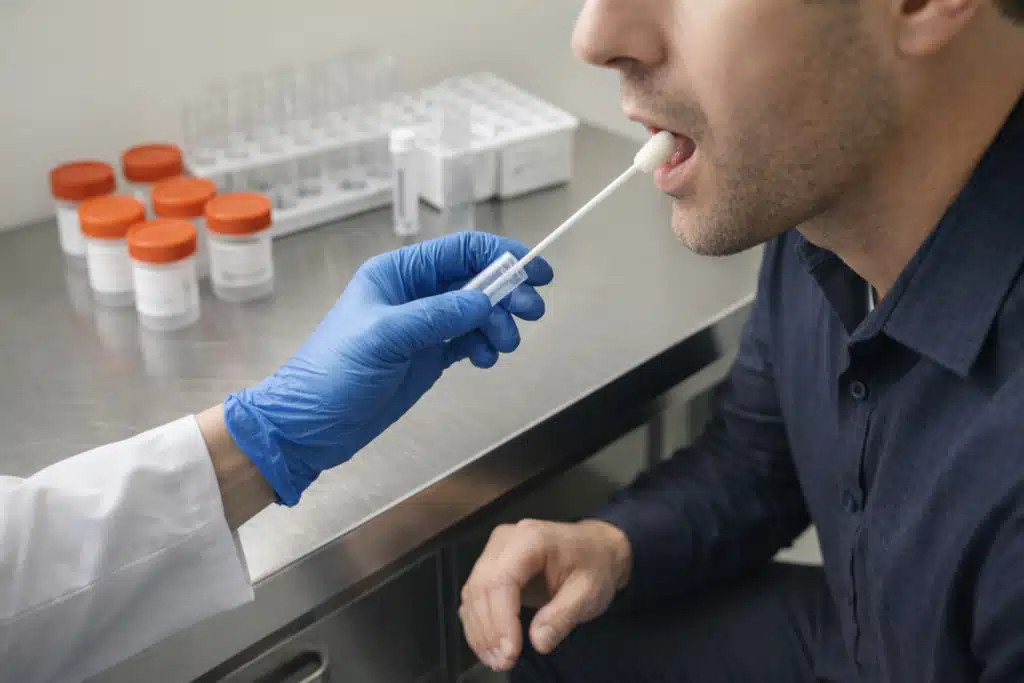
Testing methods vary by county and by your risk level. Denver-area courts commonly use one or more of the following:
- Urinalysis (UA): Random urine tests for alcohol and drugs
- PBT: Portable breath test for recent alcohol use
- Continuous alcohol monitoring: An ankle bracelet that checks for alcohol around the clock
- EtG testing: A urine test that detects alcohol use for days after drinking
EtG testing surprises many people. It can flag alcohol you consumed 48 to 80 hours earlier, long after you feel sober.
Why Summer Social Events Cause Positive Tests
Summer is when many Denver clients run into trouble. Weddings, rooftop parties, camping trips, and holiday cookouts all involve alcohol.
One drink at a Memorial Day gathering can show up on an EtG test days later. A continuous monitoring bracelet may register alcohol within minutes.
Some products create risk without a single drink. Kombucha, certain mouthwashes, hand sanitizer, and non-alcoholic beer can trigger alerts. Tell your probation officer and attorney about anything that might affect a test.
What Happens If You Violate DUI Probation in Denver
A DUI probation violation in Denver starts when your probation officer files a complaint with the court. The judge then issues a summons or, in some cases, a warrant for your arrest.
Violations fall into two broad categories:
- Technical violations: Missing a class, skipping a payment, or failing a test
- New offense violations: Getting arrested for a new crime during probation
At a revocation hearing, the prosecutor must prove the violation. The standard is a preponderance of the evidence, which is lower than the standard at a criminal trial.
If the judge finds a violation, the results range widely:
- A warning and continued probation
- Added conditions, such as more testing or treatment
- Extended probation term
- Jail time, up to the maximum for your original offense
A first DUI carries up to one year in county jail. A judge can impose part or all of that time if probation is revoked.
What to Do After a Positive Test or Missed Requirement
Acting fast matters more than most people realize. A calm, documented response can shape how a judge views your case.
Steps to take right away:
- Do not lie to your probation officer
- Write down what happened and when
- Gather receipts or labels for anything that may explain a test
- Contact a DUI defense attorney before the hearing
- Voluntarily attend extra treatment or meetings to show good faith
Judges respond differently to honesty and effort than to excuses. Showing up prepared, with counsel, changes the tone of a revocation hearing.
DUI vs. DWAI Probation: Key Differences
The offense you are convicted of shapes your probation terms. Here is how the two compare for a first offense.
- DUI first offense: Longer education, more community service, higher fines, mandatory interlock for many drivers
- DWAI first offense: Shorter education in some cases, fewer points, lower minimum penalties
Both carry probation, testing, and a MADD panel. A skilled defense may involve arguing for DWAI instead of DUI where the facts support it.

 Posted on Google
How License Consequences Connect to Probation
Your criminal case and your driver’s license case run on separate tracks. The Colorado DMV handles license suspension through its own hearing, apart from the court.
Even if you complete probation, a DMV suspension can still limit your driving. Many drivers regain limited privileges by installing an ignition interlock device.
Missing an interlock requirement can violate both DMV rules and your probation. Keep the device serviced and report every reading honestly.
When Hiring a DUI Attorney Helps
An attorney matters at two points: when you are first charged and when a violation arises. Early representation can affect whether you face DUI or DWAI, and what conditions attach.
If you already face a violation, counsel can present mitigation to the judge. That includes proof of treatment, character letters, and lab evidence questioning a positive test.
Every case turns on its own facts, and Colorado laws change over time. No attorney can promise a result, but preparation improves how your side is heard.
Conclusion
Colorado DUI probation conditions demand sobriety, treatment, community service, and honest reporting for a year or more. A single positive test or missed class can lead to a revocation hearing and jail exposure.
Act quickly after a DUI arrest or a probation slip-up, since deadlines and hearings move fast in Colorado courts. For a confidential consultation, call DUI Law Firm Denver at 303‑404‑7492, email info@DUILawFirmDenver.com, or visit https://duilawfirmdenver.com.
Sources
- Colorado Department of Human Services – Colorado DUI/DWAI Treatment Standards
- Colorado General Assembly – Colorado DUI Statutes and Legislation
- Colorado DMV – Express Consent and License Revocation
- Mothers Against Drunk Driving – Victim Impact Panels
Share This Story, Choose Your Platform!
Table of Contents
Emilio and his staff are top notch look no further for representation
Related Reading

A DUI towing trailer Colorado charge can happen on the drive home from Chatfield, Cherry Creek, or Lake Granby. You spent the day on the water, loaded the boat, and merged onto I-70 as the sun dropped. A trooper pulls you over for a swerving trailer, and the stop turns into a roadside sobriety test. [...]
A Colorado festival DUI arrest starts two separate clocks the moment you are pulled over leaving the venue. One clock is criminal court. The other is the Colorado DMV, and you have only 7 days to request a hearing. Late-summer weekends fill Colorado roads with festival traffic, from fairgrounds in Adams County to multi-day camping [...]
Video can be one of the strongest defense tools in a Denver DUI case. Officer body camera footage and bystander cell phone video capture what really happened during your stop and arrest. A skilled body camera DUI defense Colorado attorney reviews that footage frame by frame to spot problems the police report leaves out. Imagine [...]