How Body Camera and Bystander Cell Phone Video Can Help Your DUI Defense
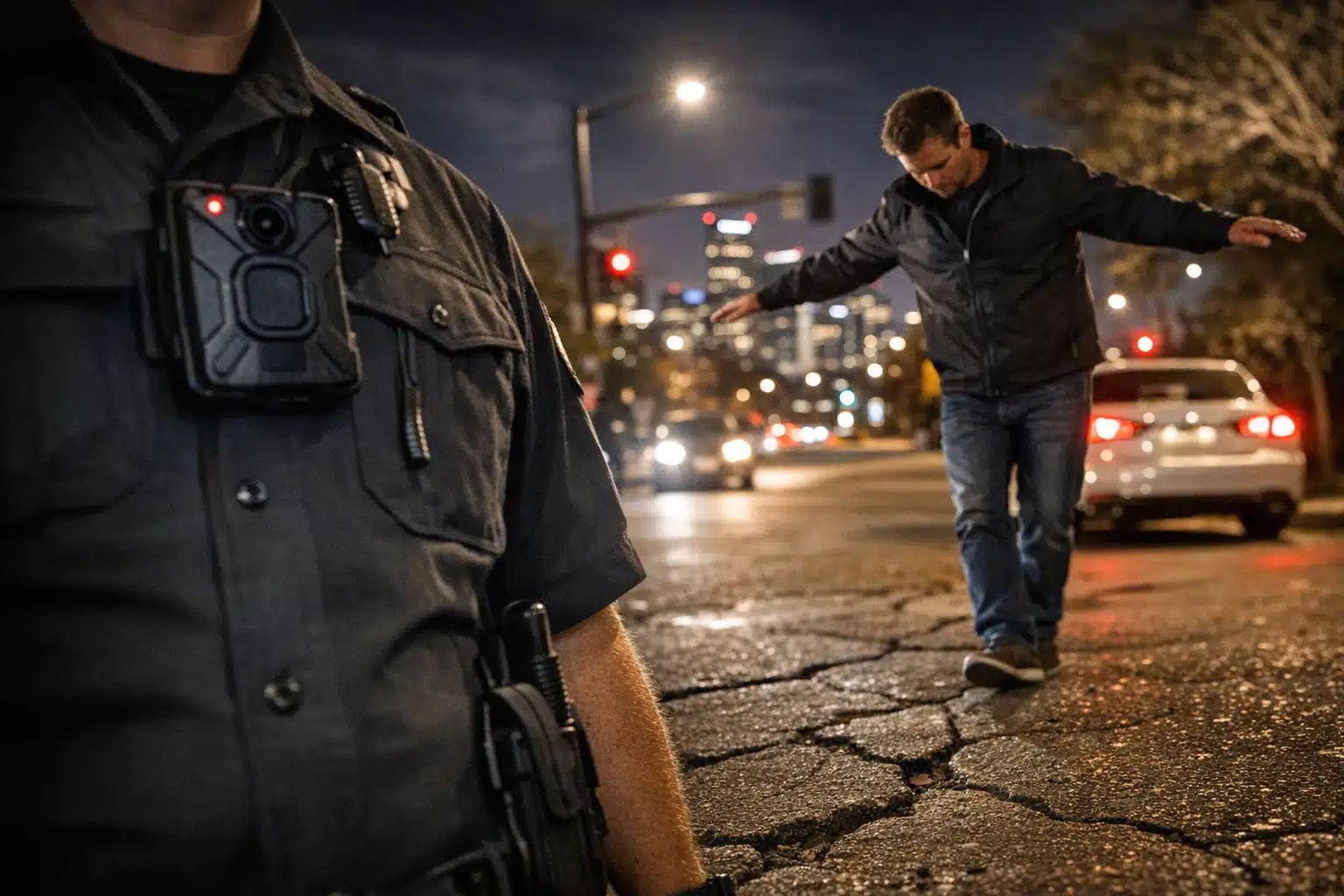
Video evidence from officer body cameras and bystander cell phones can be a powerful defense tool in Colorado DUI cases by revealing discrepancies between police reports and what actually happened during a stop and arrest.
- Body camera footage can show whether an officer had a lawful reason to stop a vehicle, how field sobriety tests were administered, and whether ground conditions or weather affected test performance.
- Bystander cell phone video offers a second angle that may capture officer conduct or details the body camera missed, helping build a fuller picture of events.
- Acting quickly is critical because agencies may delete footage after set retention periods, and a DUI attorney can file formal discovery requests to secure video before it disappears.
Video footage from officer body cameras and bystander cell phones can serve as powerful evidence in a DUI case. This footage captures what actually happened during your traffic stop and arrest, often revealing details the police report omits. A defense attorney can review the video frame by frame to identify procedural errors, inconsistencies, or rights violations that may strengthen your case.
Video can be one of the strongest defense tools in a Denver DUI case. Officer body camera footage and bystander cell phone video capture what really happened during your stop and arrest. A skilled body camera DUI defense Colorado attorney reviews that footage frame by frame to spot problems the police report leaves out.
Imagine you were pulled over on Colfax Avenue after leaving a restaurant. The officer’s report says you “swayed” during field sobriety tests. The body camera video shows uneven pavement, wind, and an officer rushing his instructions. That gap between the report and the video can change your case.
This article explains how body camera and bystander video work as defense evidence, what the law says about obtaining it, and why acting quickly matters after a Colorado DUI arrest.
Why Video Evidence Matters in a Colorado DUI Case
Video evidence DUI Colorado footage records the objective facts of your stop. It shows how you spoke, walked, and followed instructions. It captures the officer’s conduct too.
Police reports rely on memory and interpretation. An officer may describe “slurred speech” or “bloodshot eyes.” Video either supports that claim or contradicts it.
Colorado prosecutors carry the burden of proving impairment beyond a reasonable doubt. Video that contradicts an officer’s account can create that doubt. In many Denver cases, footage becomes the centerpiece of the defense.
What Body Camera Footage Can Reveal
Body camera footage is video recorded by a camera worn on an officer’s uniform. Most Denver Police officers and Colorado State Patrol troopers wear them during traffic stops.
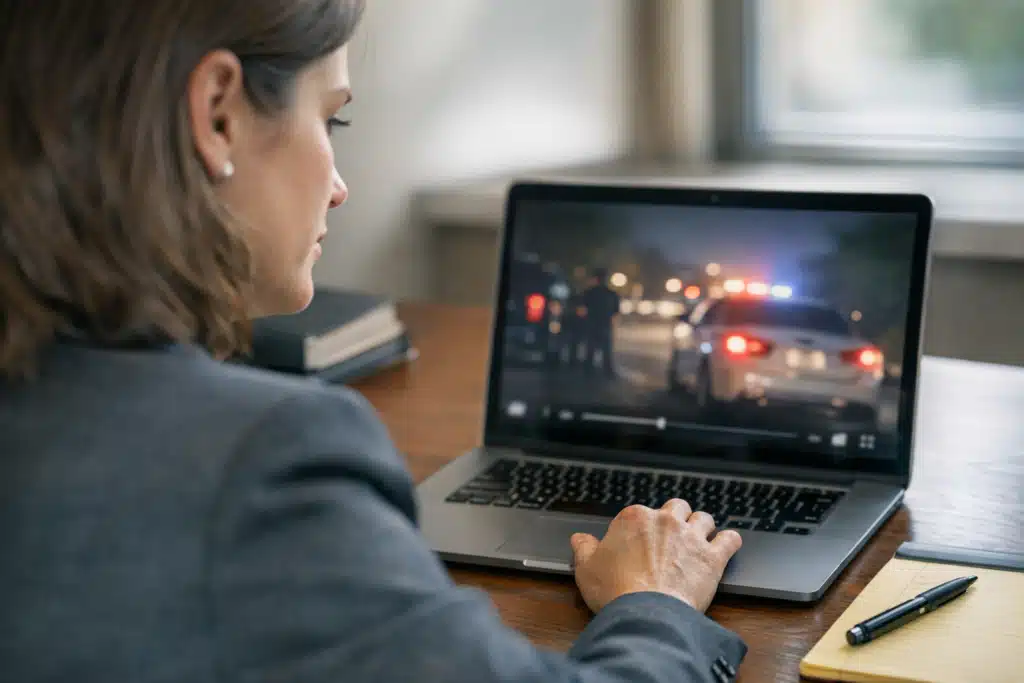
That footage can reveal several defense-relevant facts:
- Whether the officer had a lawful reason to stop your vehicle
- How the officer explained field sobriety tests
- Whether test instructions matched national standards
- Ground conditions, lighting, weather, and traffic noise
- Your speech, balance, and coordination in real time
- Whether the officer read advisements correctly
Colorado field sobriety tests follow guidelines set by the National Highway Traffic Safety Administration. Officers must give clear instructions and score results correctly.
Body camera video lets a defense attorney check that scoring. A test administered on a slope or in the cold may produce false signs of impairment.
How Body Camera DUI Defense Colorado Strategy Works
A body camera DUI defense Colorado approach starts with obtaining and reviewing every second of footage. Your attorney compares the video against the written report and the charging documents.
The goal is to find inconsistencies. When the footage contradicts the officer’s claims, that contradiction supports your defense.
Here is how attorneys commonly use body camera footage:
- Request all footage from the arresting agency early
- Compare the video timeline against the police report
- Review the traffic stop for a valid legal basis
- Examine field sobriety test administration for errors
- Check whether advisements were given correctly
- Identify moments that undermine the impairment claim
Each of these steps can support motions to suppress evidence. If a stop lacked legal justification, a Colorado court may exclude the evidence that followed.
Traffic Stop Legality
An officer needs reasonable suspicion to stop your vehicle. Body camera footage shows what happened before the lights came on.
If the video shows lawful driving, the stop itself may be questioned. This connects directly to broader DUI defense and criminal defense arguments.
Field Sobriety Test Problems
Body camera video reveals how the officer conducted the walk-and-turn and one-leg-stand tests. Small mistakes in instruction or scoring can undermine the results.
Medical conditions, footwear, and road surface all affect performance. Footage documents these factors better than any report.
How Bystander Cell Phone Video Helps Your Defense
Bystander cell phone video is footage recorded by witnesses near your stop or arrest. Passengers, passersby, or nearby residents may capture events on their phones.
This footage matters because it offers a second angle. Body cameras show the officer’s viewpoint. Bystander video may show what the body camera missed.
Bystander footage can capture:
- The full scene from a wider distance
- Officer conduct outside the body camera frame
- Your actual balance and movement from another angle
- Statements made by officers or witnesses
- The physical environment around the stop
In a Denver arrest near a bar or busy street, multiple people may record video. That footage can be requested and preserved as evidence.
Every case differs, and not all footage helps a defense. An honest review tells you what the video actually shows.
How to Obtain Body Camera and Bystander Video in Colorado
Video must be requested before it disappears. Agencies and individuals may delete footage after a set retention period.
Follow these steps to secure video evidence after a Colorado DUI arrest:
- Write down where and when your stop occurred
- Note any bystanders who appeared to record video
- Contact a DUI attorney as soon as possible
- Let your attorney file formal discovery requests
- Preserve any video you or passengers recorded
Under Colorado law, body-worn camera footage from most incidents must be released within set timeframes. Your attorney can pursue this footage through the court discovery rules.
Bystander video is harder to obtain because private citizens control it. Acting quickly increases the chance the footage still exists.
Body Camera Video vs. Bystander Cell Phone Video
Both video types help a defense, but they differ in source and reliability. The comparison below shows how each works.
- Body camera video: Recorded by police; official record; obtained through discovery; shows officer’s viewpoint
- Bystander cell phone video: Recorded by civilians; independent source; harder to locate; shows outside angles
Using both together builds a fuller picture. One may fill gaps left by the other.

 Posted on Google
Common Mistakes That Weaken Video Defenses
Video evidence only helps if it is preserved and reviewed correctly. People facing DUI charges sometimes lose that advantage.
Avoid these common mistakes:
- Waiting too long to request footage before deletion
- Failing to identify witnesses who recorded video
- Assuming the police report tells the full story
- Deleting your own phone video after an arrest
- Handling discovery requests without legal help
Video can support both DUI and DWAI defenses. DWAI is a Colorado offense that applies when alcohol or drugs affect driving to the slightest degree.
DUI applies when a person is substantially incapable of safe driving. Footage can matter for either charge, plus first-time DUI, repeat DUI, underage DUI, and marijuana DUI cases.
How Video Connects to DMV and License Consequences
A DUI arrest triggers two separate matters in Colorado. One is the criminal case in court. The other is a Colorado DMV license action.
You have a limited window to request a DMV hearing after a DUI arrest. Missing that deadline can lead to automatic license suspension.
Video evidence may support your defense at a DMV hearing. Footage relevant to breath tests, blood tests, or the arrest itself may apply to license suspension and ignition interlock questions.
When Hiring a Denver DUI Attorney Helps
An attorney turns raw footage into a usable defense. Reviewing video requires knowledge of Colorado DUI law and field sobriety standards.
A Denver DUI lawyer can file discovery requests, subpoena footage, and challenge unlawful stops. That work happens on tight deadlines set by Colorado courts and the DMV.
Because every case differs and laws change, speak with an attorney about your specific circumstances. General information cannot replace advice about your case.
Conclusion
Officer body camera and bystander cell phone video can expose gaps between the police report and reality. Acting quickly matters, because footage can be deleted within days or weeks of an arrest.
A body camera DUI defense Colorado strategy depends on securing and reviewing that video before it disappears. Every case is different, and no result is guaranteed.
For a confidential consultation, contact DUI Law Firm Denver at 303‑404‑7492, text 303‑404‑7492, or email info@DUILawFirmDenver.com.
Sources
- National Highway Traffic Safety Administration – Alcohol-Impaired Driving Countermeasures
- Colorado Division of Motor Vehicles – DUI and Express Consent
- Colorado General Assembly – HB21-1250 Peace Officer Body-Worn Cameras
- Colorado Revised Statutes – Section 42-4-1301 Driving Under the Influence
Share This Story, Choose Your Platform!
Table of Contents
Emilio and his staff are top notch look no further for representation
Related Reading

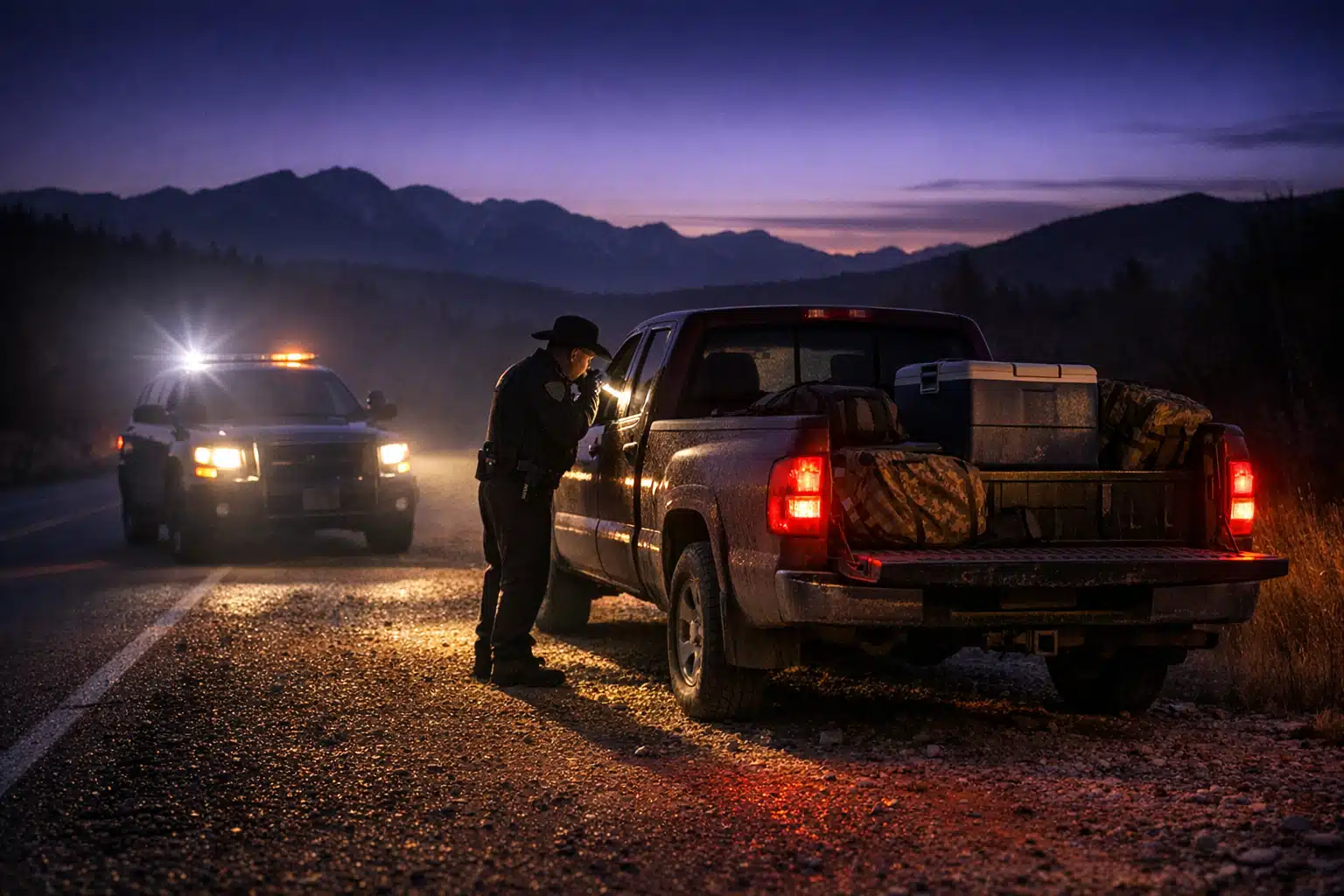
A hunting season DUI Colorado charge often starts on a dark county road before dawn. You are driving back from a weekend elk camp near Craig or Gunnison, a loaded cooler in the back, rifles cased behind the seat. A sheriff’s deputy pulls you over for a cracked taillight, smells last night’s beer, and the [...]
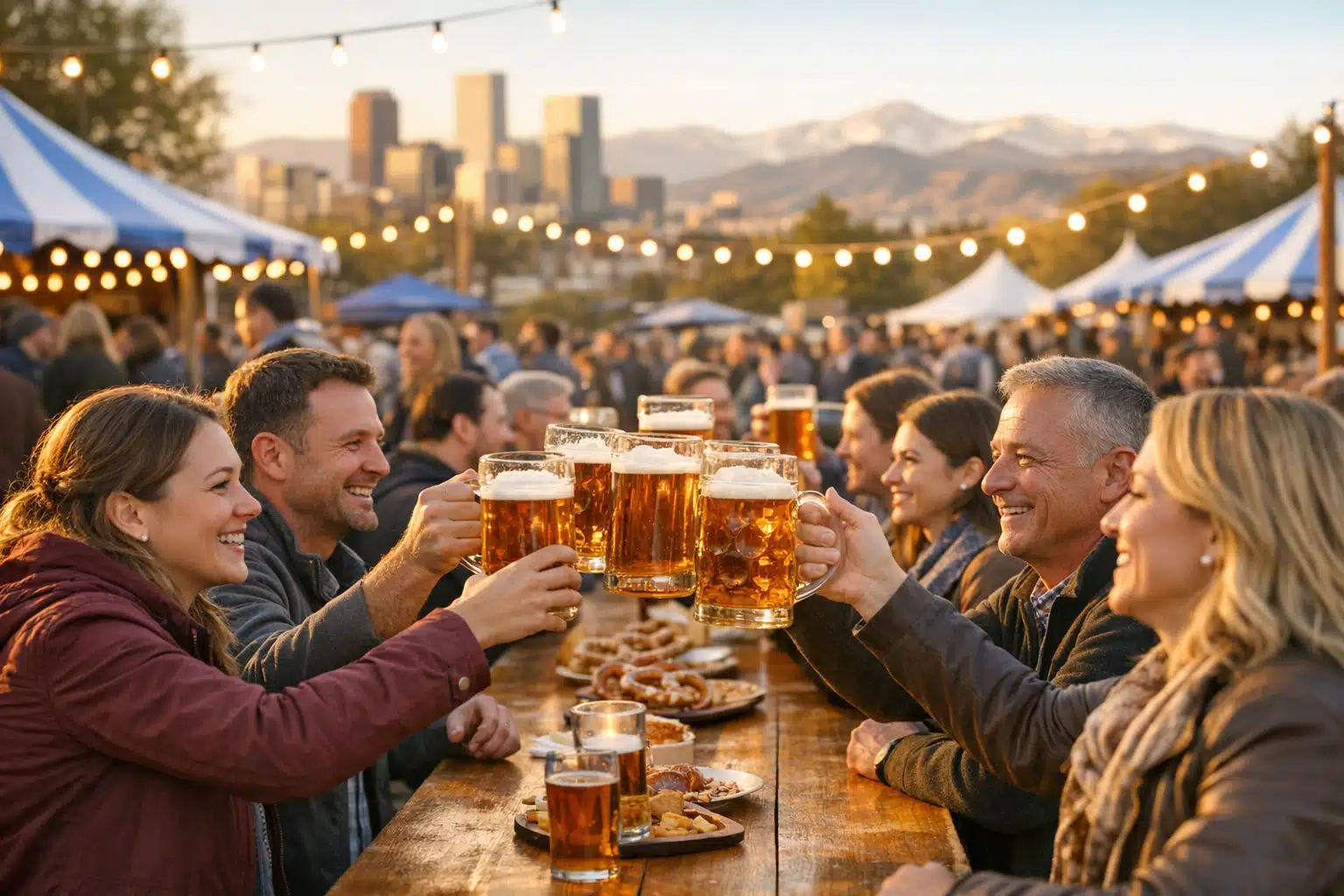
An Oktoberfest DUI Colorado arrest frequently starts the same way: three steins of German lager that each carry nearly double the alcohol of a standard domestic beer. A driver who feels fine after a fall festival in Denver can still blow a 0.12 at the roadside. Fall beer festivals create a specific trap because traditional [...]
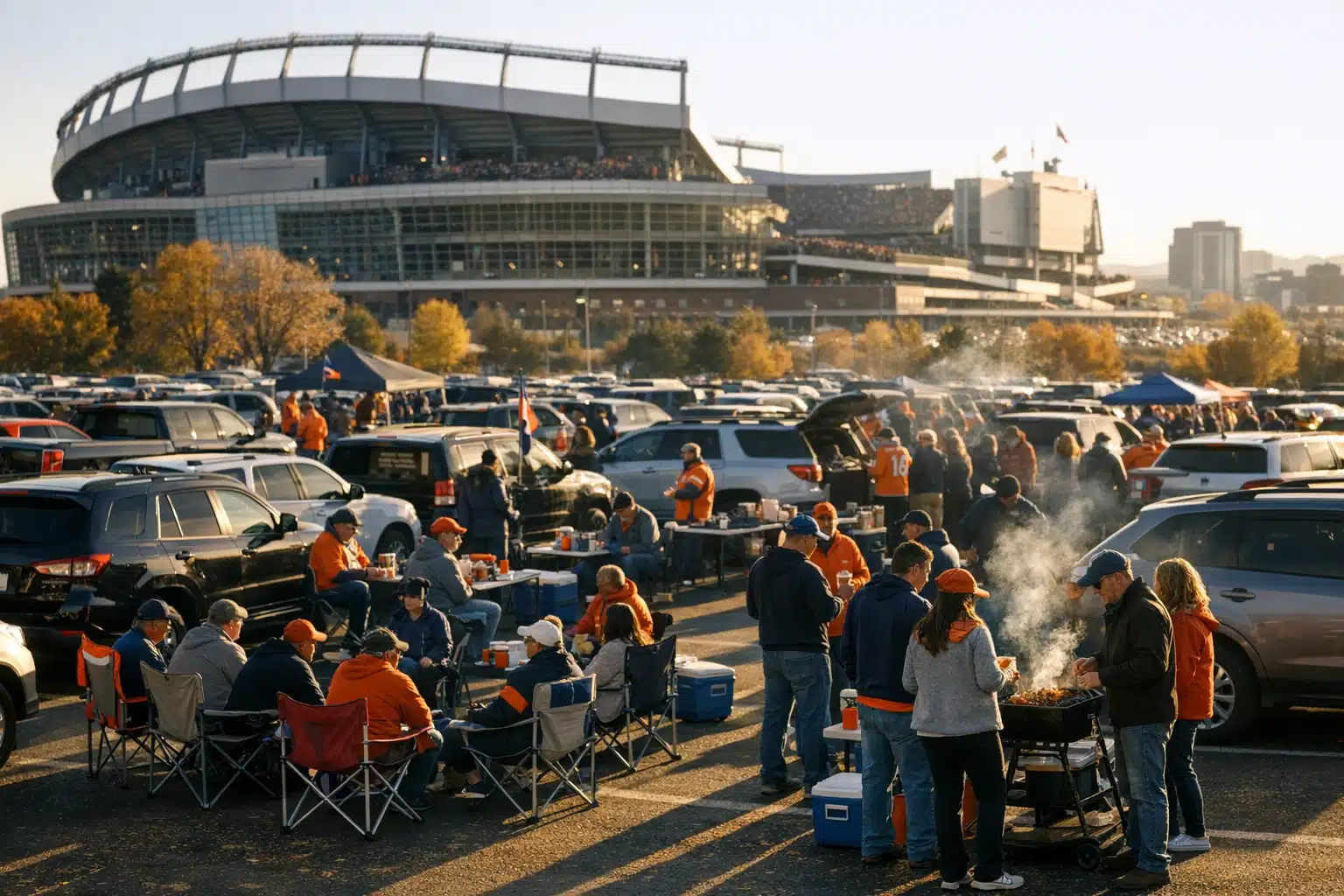
Arrested for a Denver Broncos game DUI means two separate problems start at once: a criminal case and a driver’s license case. The license case moves faster. You have 7 days from the arrest to request a hearing with the Colorado DMV, or your license suspension begins automatically. Fall Sundays at Empower Field at Mile [...]