Arrested for DUI at a Colorado Music Festival or Outdoor Concert This Summer? What to Do Next
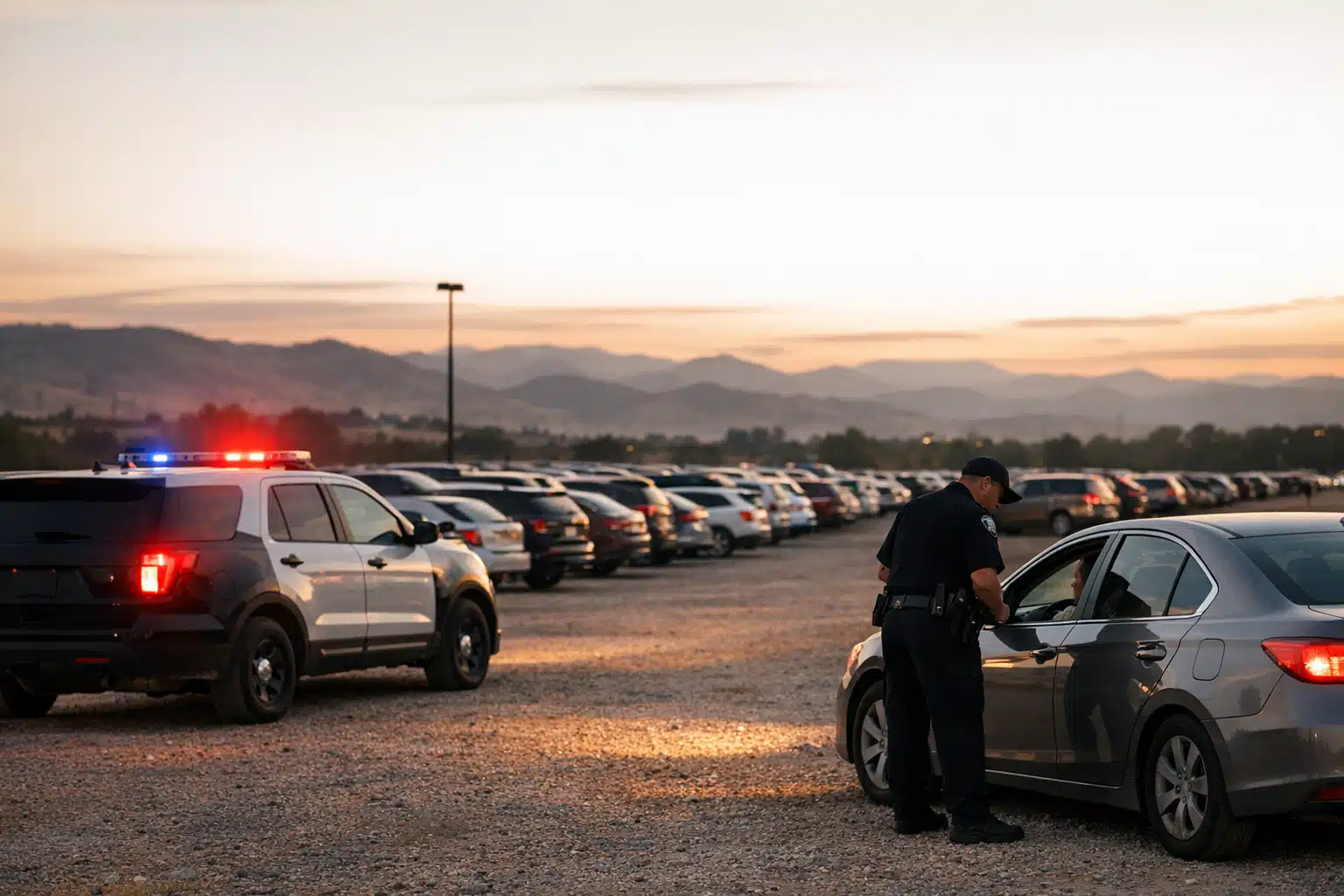
A Colorado festival DUI arrest triggers two separate legal processes - a criminal court case and a DMV license suspension hearing that requires action within 7 days. Law enforcement increases patrols near festival exits, campgrounds, and shuttle lots during peak event season.
- Festival DUI stops often involve delayed impairment, with many arrests occurring the morning after when drivers leaving campgrounds may still have alcohol in their system from the night before.
- Colorado charges DUI at 0.08 BAC or higher and DWAI between 0.05 and 0.08, while underage drivers face charges at just 0.02 BAC.
- Defense strategies may examine field sobriety tests on uneven terrain, timing of the stop relative to last drink, blood draw chain of custody, and whether heat or dehydration mimicked impairment signs.
After a DUI arrest at a Colorado music festival, you must act quickly because two separate legal processes begin immediately. You have only 7 days to request a hearing with the Colorado DMV to protect your driving privileges. The criminal court case runs on a separate timeline, so contacting a DUI attorney right away helps you address both matters before deadlines pass.
A Colorado festival DUI arrest starts two separate clocks the moment you are pulled over leaving the venue. One clock is criminal court. The other is the Colorado DMV, and you have only 7 days to request a hearing.
Late-summer weekends fill Colorado roads with festival traffic, from fairgrounds in Adams County to multi-day camping events in the mountains. Law enforcement knows this, and patrols increase near shuttle lots, campground exits, and highway on-ramps after last call.
This article explains what happens after an arrest, the deadlines you cannot miss, and how the setting of a festival changes your defense.
Why Festival and Fairground Exits See More DUI Stops
Officers position themselves where they expect impaired drivers. Multi-day events create predictable choke points where thousands of vehicles leave within a short window.
Common enforcement zones during peak event season include:
- Shuttle and park-and-ride lots where people return to their cars after drinking all day
- Campground exits the morning after, when alcohol from the night before may still register
- Two-lane mountain highways feeding away from remote festival grounds
- County fairgrounds hosting concerts with beer gardens and limited rideshare coverage
- Rideshare surge areas where frustrated drivers skip the wait and drive themselves
A single-venue arrest and a multi-day festival arrest differ in one key way. Festival stops frequently involve delayed impairment, long lines, and drivers who believed they had sobered up.
The “Morning After” Campground Stop
Many festival arrests happen the next day, not the night of. A driver leaving a mountain campground at 9 a.m. may still have alcohol in their system.
Blood alcohol content drops slowly, roughly 0.015 per hour. Someone heavily intoxicated at 2 a.m. can remain over the limit hours later.
Colorado DUI vs. DWAI: Know the Difference
Colorado charges two main alcohol-related driving offenses. The one you face depends on your level of impairment or your blood alcohol content.
- DUI (Driving Under the Influence): Applies at a BAC of 0.08 or higher, or when substantially incapable of safe driving.
- DWAI (Driving While Ability Impaired): Applies when alcohol affects your driving to the slightest degree, usually a BAC between 0.05 and 0.08.
A festival setting matters here. A driver just over 0.05 after a full day in the sun may face a DWAI rather than a DUI.
Marijuana adds another layer. Colorado sets a limit of 5 nanograms of active THC per milliliter of blood for a DUI charge.
The First 7 Days After a Colorado Festival DUI Arrest
Two deadlines control your next week. Missing either can cost you your license or weaken your defense.
- Request a DMV hearing within 7 days. If you took a breath or blood test over the limit, the DMV moves to suspend your license automatically.
- Locate your paperwork. Your citation lists your first court date and the arresting agency.
- Write down what you remember. Note the time you stopped drinking, what you ate, and the stop location.
- Preserve evidence. Save festival wristbands, receipts, and text messages showing your timeline.
- Contact a Colorado DUI attorney. Early review of your case helps identify defenses before evidence disappears.
The 7-day DMV deadline surprises most people. It runs separately from the criminal case and does not wait for your court date.
Court vs. DMV: Two Different Cases
Many people assume one hearing decides everything. It does not. A Colorado DUI creates parallel proceedings.
- Criminal court: Handles the DUI or DWAI charge, fines, probation, and possible jail.
- Colorado DMV: Handles your driver’s license suspension and reinstatement, separate from guilt or innocence.
You can win one and lose the other. Both deserve attention from the start.
Breath Test vs. Blood Test at a Festival Stop
Colorado’s express consent law requires you to complete a chemical test if lawfully arrested for DUI. You choose breath or blood, with limited exceptions.
- Breath test: Fast results at the station. Machine calibration and operator error can be questioned.
- Blood test: Measures alcohol or THC directly. Requires proper handling, storage, and chain of custody.
Refusing a test carries its own penalties, including a longer license revocation. A refusal also flags you for the state’s persistent drunk driver rules.
At remote festival locations, blood draws may be delayed by travel to a facility. That delay can matter when your BAC was rising or falling.
First Offense vs. Repeat Offense in Colorado
Penalties climb with each conviction. A festival arrest for a first-time driver differs sharply from a repeat charge.
- First DUI: Possible jail, fines, community service, and a license revocation with interlock eligibility.
- Second or later DUI: Mandatory minimum jail, longer revocation, and required ignition interlock.
- Fourth DUI: Charged as a felony under Colorado law.
Every case turns on its own facts. Prior history, BAC level, and how the stop occurred all shape what happens next.
Underage Drivers at Festivals
Colorado applies a lower limit to drivers under 21. A BAC of 0.02 to 0.05 can bring an underage DUI charge.
Summer festivals draw many young attendees. A first mistake at 19 carries license and record consequences worth defending.

 Posted on Google
Common Mistakes After an Outdoor Concert DUI in Denver
What you do in the first days affects your case. Avoid the errors that hurt people most.
- Ignoring the 7-day DMV deadline and losing the chance to contest suspension
- Posting festival photos or timelines that contradict your account
- Assuming a first offense means no defense is worth pursuing
- Discussing the case with anyone other than your attorney
- Missing the first court date and triggering a warrant
An outdoor concert DUI Denver charge follows the same rules as any Colorado stop. The venue changes the facts, not the law.
How the Festival Setting Can Shape a Defense
The circumstances of a festival stop create angles worth examining. An attorney reviews each detail for weaknesses in the state’s case.
Factors a defense may address include:
- Timing of the stop relative to your last drink and rising BAC
- Field sobriety tests performed on gravel, grass, or uneven campground terrain
- Reason for the stop and whether the officer had legal grounds
- Chain of custody for blood drawn far from the arrest site
- Heat, dehydration, and fatigue that mimic signs of impairment
No result is promised. A careful review of these details helps identify what defenses may apply to your situation.
When to Contact a DUI Attorney
Reach out as soon as possible after the arrest. The 7-day DMV window and evidence preservation both reward fast action.
An attorney can help you:
- Request and prepare for your DMV hearing
- Review the traffic stop and testing for legal issues
- Handle court appearances and negotiations
- Address license reinstatement and interlock requirements
Laws change and every case differs. A confidential consultation lets you understand your specific position.
Key Takeaways
A Colorado festival DUI arrest starts a 7-day DMV clock and a separate criminal case, both requiring prompt attention. The setting of a multi-day event, from campground exits to shuttle lots, can shape the facts and possible defenses.
Acting quickly protects your license and your record. Contact DUI Law Firm Denver for a confidential consultation at 303‑404‑7492, by text at 303‑404‑7492, or by email at info@DUILawFirmDenver.com.
Sources
- Colorado DMV – Express Consent and License Revocation
- Colorado General Assembly – Title 42 Motor Vehicle Laws
- Colorado Division of Criminal Justice – Driving Under the Influence Report
- NHTSA – Drunk Driving Overview
Share This Story, Choose Your Platform!
Table of Contents
Emilio and his staff are top notch look no further for representation
Related Reading

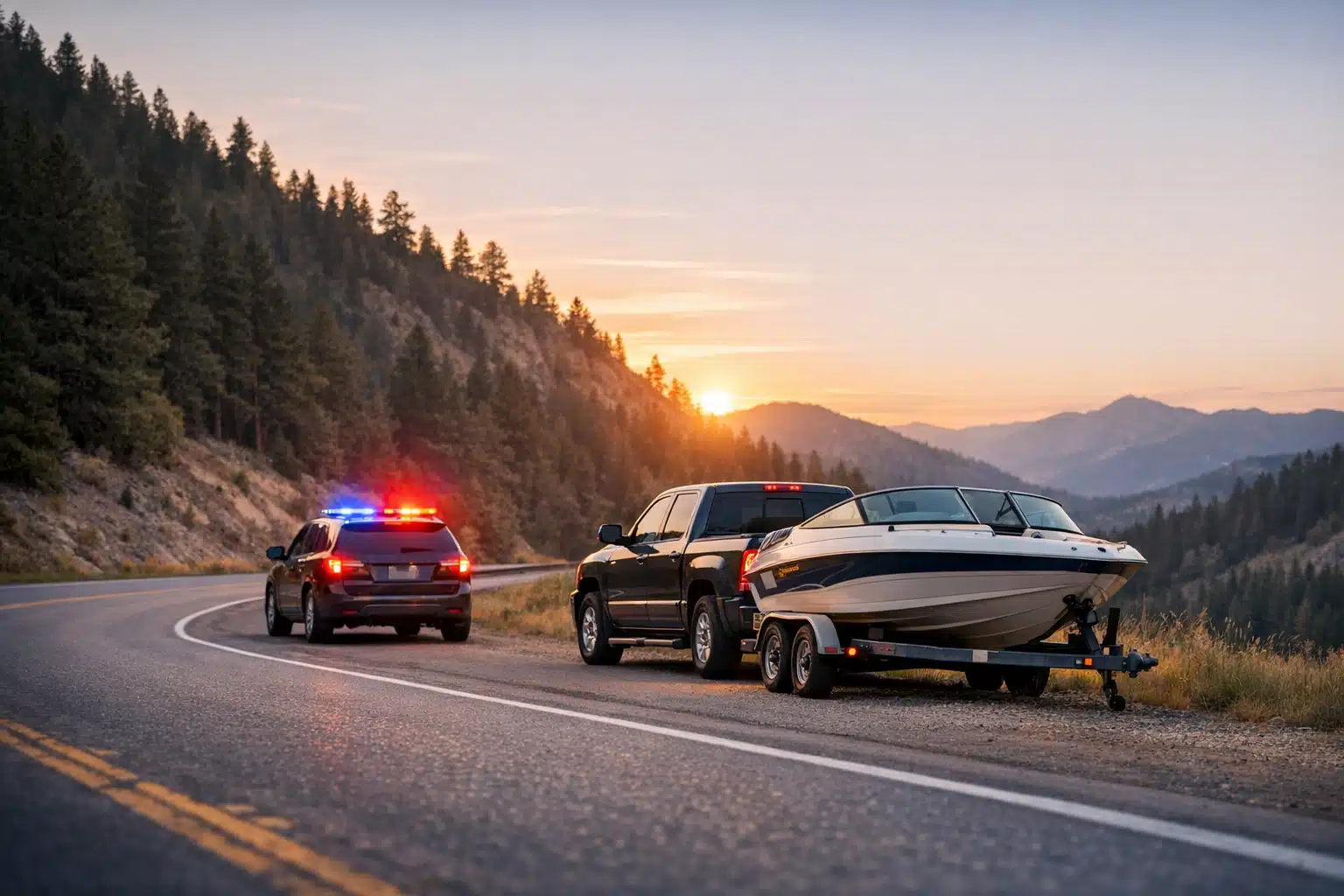
A DUI towing trailer Colorado charge can happen on the drive home from Chatfield, Cherry Creek, or Lake Granby. You spent the day on the water, loaded the boat, and merged onto I-70 as the sun dropped. A trooper pulls you over for a swerving trailer, and the stop turns into a roadside sobriety test. [...]
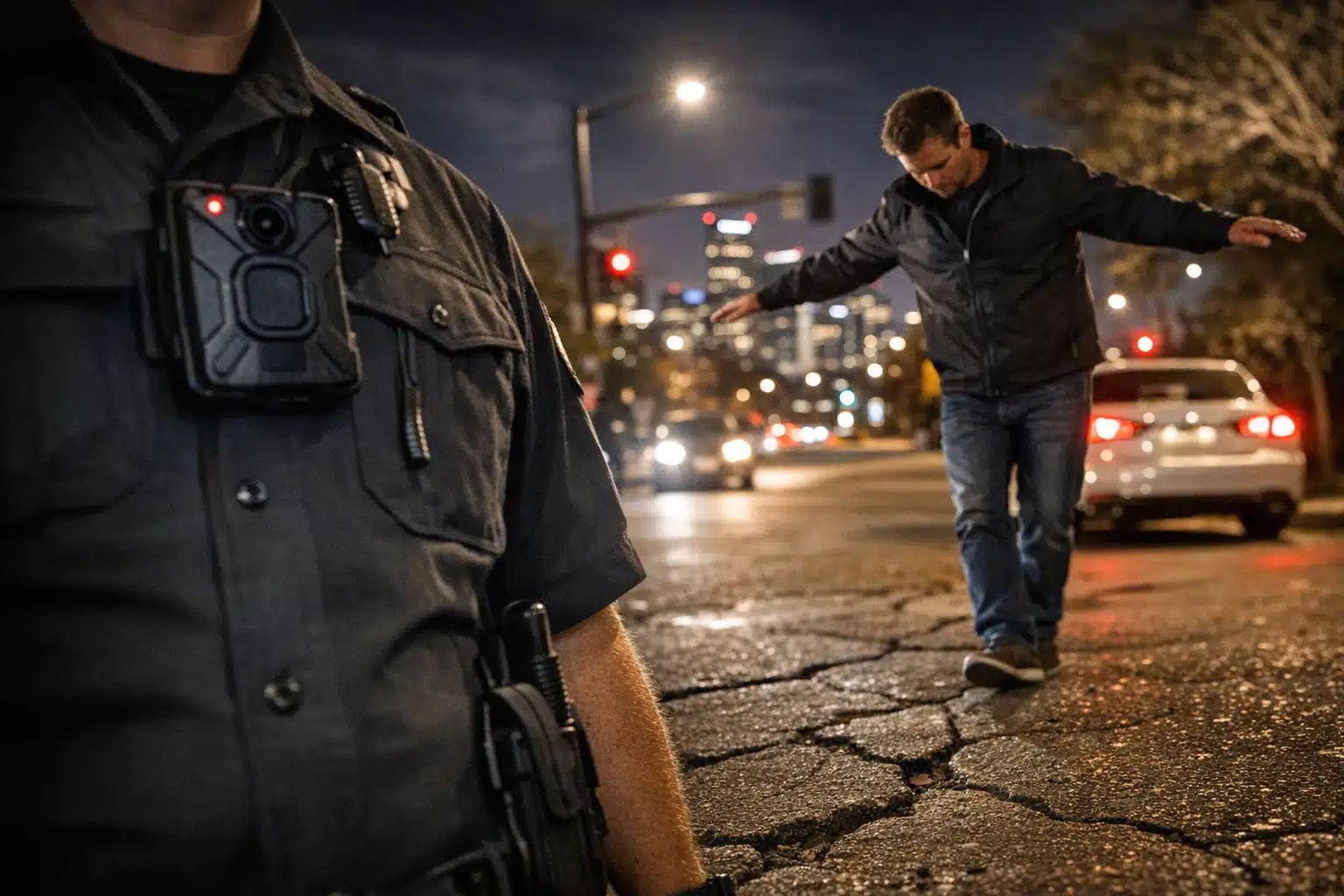
Video can be one of the strongest defense tools in a Denver DUI case. Officer body camera footage and bystander cell phone video capture what really happened during your stop and arrest. A skilled body camera DUI defense Colorado attorney reviews that footage frame by frame to spot problems the police report leaves out. Imagine [...]
A Colorado DUI arrest raises a second fear for licensed workers: losing the credential that lets them earn a living. A DUI professional license Colorado issue reaches the state board that controls your right to work, separate from any criminal court case. A Denver nurse, a Douglas County teacher, and a licensed general contractor each [...]