How Much Does a DUI Really Cost in Colorado in 2026? A Full Breakdown
A first DUI in Colorado in 2026 typically costs between $10,000 and $13,000 when all expenses are included. The largest costs are recurring insurance increases and monthly interlock fees rather than the court fine itself.
- Immediate costs include bail ($500 to $2,500), towing and impound fees ($150 to $500), court fines and surcharges ($1,100 to $1,800), and alcohol education ($300 to $1,200). Attorney fees range from $2,500 to $7,500.
- Auto insurance increases of $1,500 to $3,000 per year can add over $6,000 across three years. Ignition interlock devices cost $60 to $100 monthly for eight months to two years.
- Drivers have seven days from arrest to request a DMV hearing to contest license loss. Acting quickly on deadlines and completing required classes on schedule helps limit avoidable charges.
A first DUI in Colorado typically costs between $10,000 and $13,000 when all expenses are factored in. This total includes court fines, legal fees, increased insurance premiums that last for years, ignition interlock device installation and monitoring fees, license reinstatement costs, and mandatory alcohol education program expenses.
A first DUI in Colorado in 2026 usually costs between $10,000 and $13,000 once every expense is added up. Most people expect a fine and a court date. Few expect the years of insurance increases and interlock fees that follow.
The cost of a DUI Colorado 2026 stretches far beyond the courtroom. It includes bail, towing, license reinstatement, alcohol classes, and higher premiums that last for years. This article gives you a full itemized total instead of a single fine figure.
You will see exactly where the money goes, from the night of arrest to your final interlock removal. Every number below reflects Colorado DUI penalties and Denver-area practices for 2026.
Why the Real Cost of a DUI Colorado 2026 Surprises People
The fine printed on your sentencing paperwork is a fraction of what you pay. A first-offense DUI fine in Colorado ranges from $600 to $1,000. Add court costs and surcharges, and the number climbs fast.
What drives the true price higher are recurring costs. Auto insurance increases and monthly interlock rental fees continue long after your case closes. That gap between the fine and the real total is why this DUI total cost breakdown exists.
The Full DUI Total Cost Breakdown by Category
Below is an itemized look at each expense a Denver driver commonly faces. Amounts vary by county, prior record, and blood alcohol content. Treat these as realistic 2026 estimates, not fixed figures.
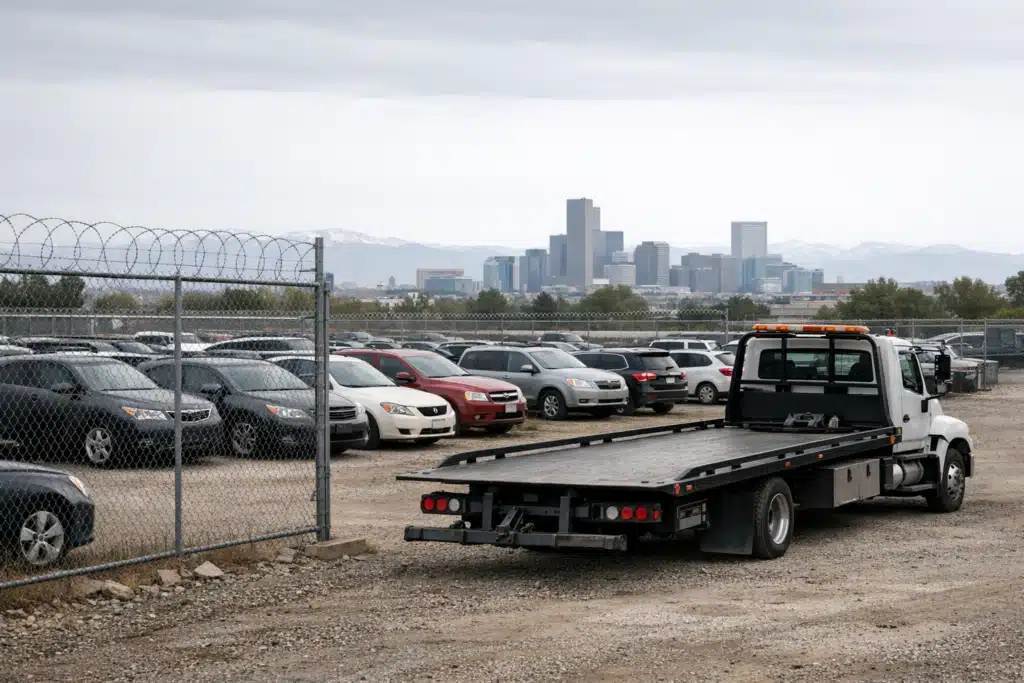
1. Immediate Arrest Costs
- Bail bond: $500 to $2,500, depending on the charge
- Vehicle towing and impound: $150 to $500
- Impound storage per day: $20 to $40
A car left in a Denver impound lot for a week can add hundreds of dollars. Retrieving it quickly limits daily storage charges.
2. Court Fines, Fees, and Surcharges
Colorado attaches several surcharges on top of the base fine. A first DUI conviction commonly totals the following in court-related costs.
- Base fine: $600 to $1,000
- Court costs and surcharges: $500 to $800
- Probation supervision fees: $50 per month or more
- Victim impact panel: $25 to $50
A DWAI conviction usually carries a lower fine than a DUI. DWAI applies when alcohol or drugs affect driving to the slightest degree. A DUI applies when a driver is substantially incapable of safe driving.
3. Alcohol Education and Treatment
Colorado requires alcohol education and, in many cases, therapy after a DUI. The level of treatment depends on your blood alcohol content and history.
- Level II education (24 hours): $300 to $500
- Level II therapy (multiple tracks): $600 to $1,200
- Substance testing during treatment: $200 to $500
Higher BAC readings push you into longer therapy tracks. That raises both the time commitment and the price.
4. Driver’s License and DMV Costs
The Colorado DMV handles your license separately from the criminal court. A DUI arrest triggers a license revocation you must address quickly. You have seven days from arrest to request a DMV hearing.
- License reinstatement fee: $95
- SR-22 insurance filing: $25 to $50 setup
- Retesting or reissue fees: $30 or more
Missing the seven-day deadline forfeits your DMV hearing. That hearing is one of the few chances to contest your license loss.
5. Ignition Interlock Device
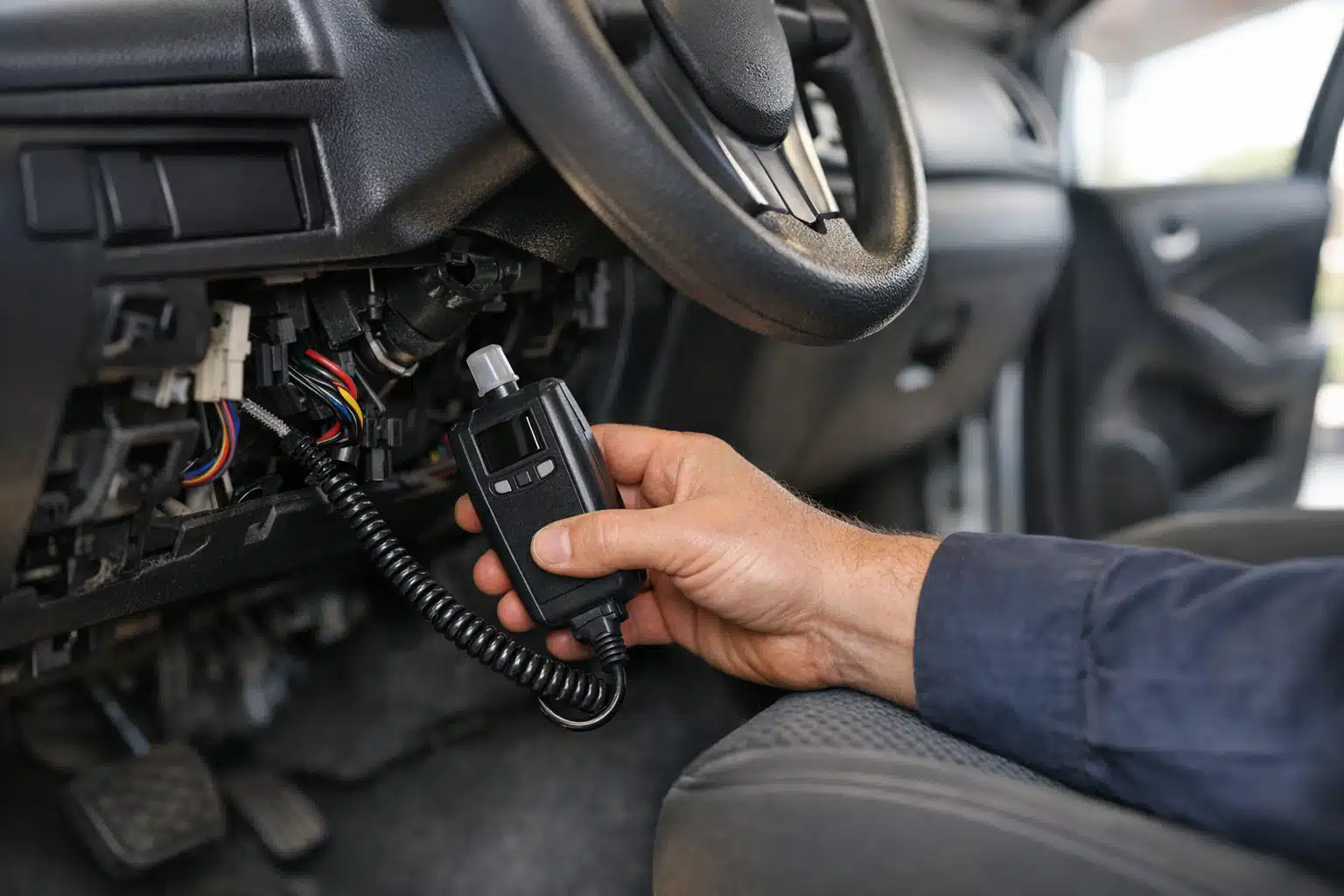
An ignition interlock is a breath-testing device wired to your ignition. Colorado requires it for many drivers to regain limited driving privileges. It is one of the largest recurring costs in any DUI total cost breakdown.
- Installation: $70 to $150
- Monthly rental and calibration: $60 to $100
- Removal: $50 to $100
A typical interlock term runs eight months to two years. Over that period, monthly fees alone can exceed $1,500.
6. Auto Insurance Increases
Higher insurance premiums are the single largest long-term cost of a DUI. A conviction usually stays on your record and affects rates for years. Many Colorado drivers pay an extra $1,500 to $3,000 per year after a DUI.
Over three years, that increase alone can top $6,000. This recurring expense is why the fine tells only part of the story.
7. Attorney Fees
Legal representation is an expense, but it can affect the entire outcome. A private DUI attorney in Denver commonly charges $2,500 to $7,500 for a first offense. Complex cases or trials cost more.
Skilled defense may reduce charges, penalties, or license consequences. That potential savings is part of why many drivers hire counsel early.
First Offense vs. Repeat Offense Cost Comparison
Repeat DUI charges carry steeper penalties and longer interlock terms. The financial gap between a first and second offense is wide.
- First DUI: $10,000 to $13,000 total, no mandatory jail in many cases
- Second DUI: $15,000 or more, mandatory jail, longer interlock
- Third DUI: Higher fines, extended treatment, and possible felony exposure
A fourth DUI in Colorado is a class 4 felony. Felony charges bring prison exposure and far greater costs.
A Realistic First-DUI Total for a Denver Driver
Meet a hypothetical Denver driver stopped with a BAC of 0.10. She has no prior record and pleads to a first DUI. Her rough itemized total for 2026 might look like this.
- Bail and towing: $1,200
- Court fines and surcharges: $1,400
- Alcohol education and therapy: $1,000
- DMV and SR-22 setup: $150
- Interlock (one year): $1,000
- Attorney fees: $4,000
- Insurance increase (three years): $4,500
Her estimated total reaches roughly $13,250. Change any variable, and the number shifts. Every case is different, and your figures may vary.
Court vs. DMV: Two Separate Costs to Track
A DUI arrest opens two proceedings at once. Understanding both helps you budget and protect your license.
- Criminal court: Handles fines, probation, treatment, and jail exposure
- Colorado DMV: Handles license revocation, reinstatement, and interlock rules
You can win one and lose the other. The seven-day DMV hearing deadline is easy to miss during a stressful week.

 Posted on Google
Ways to Limit the Cost of a DUI Colorado 2026
You cannot erase every expense, but you can avoid costly mistakes. A few steps make a real difference.
- Request your DMV hearing within seven days of arrest.
- Retrieve your vehicle quickly to limit impound storage fees.
- Complete required alcohol classes on schedule to avoid penalties.
- Keep the interlock in good standing to prevent lockouts and resets.
- Speak with a DUI attorney before entering any plea.
Marijuana DUI, underage DUI, and refusal cases carry their own added costs. Breath test and blood test disputes can change both penalties and expenses.
When Hiring a DUI Attorney Makes Financial Sense
An attorney cannot promise a specific result. A skilled defense can sometimes reduce charges, shorten interlock terms, or lower fines. Those reductions may offset part of the legal fee.
Early representation matters most in the first days after arrest. That window includes the DMV hearing deadline and key evidence decisions.
Key Takeaways on the Cost of a DUI Colorado 2026
A first DUI in Colorado commonly totals $10,000 to $13,000 across fines, fees, interlock, and insurance. The largest costs are recurring insurance increases and monthly interlock fees, not the fine itself.
Acting quickly protects your license and limits avoidable charges. Miss the seven-day DMV deadline, and you lose a key chance to respond.
If you were arrested for DUI in Denver or anywhere in Colorado, speak with a defense attorney promptly. Contact DUI Law Firm Denver for a confidential consultation at 303‑404‑7492, text 303‑404‑7492, or email info@DUILawFirmDenver.com.
Sources
- Colorado Division of Motor Vehicles – DUI and Express Consent
- Colorado Department of Human Services – Behavioral Health Alcohol and Drug Education
- Colorado General Assembly – Ignition Interlock Legislation
- National Highway Traffic Safety Administration – Drunk Driving
Share This Story, Choose Your Platform!
Table of Contents
Firstly, I would like to thank DUI Law Firm Denver for successfully representing me in my Adams County DUI case. The level of experience, scientific knowledge, dedication (I had both Emilio and Trevor representing me), and preparedness made all the difference during my trial. I highly recommend them. They are the BEST!
Related Reading

Many commercial drivers assume that traffic violations committed while off duty and driving a personal vehicle have little or no impact on their Commercial Driver’s License (CDL). In reality, CDL holders are held to higher standards than other drivers, and their driving conduct is closely monitored both on and off the job. Federal and state [...]
Artificial intelligence is beginning to play a larger role in DUI enforcement. Some law enforcement agencies are testing dash-cam systems that analyze driving behavior, such as swerving, lane drifting, or sudden braking, and alert officers to potential signs of impairment. As this technology becomes more common, it raises important legal questions about whether AI-generated observations [...]
A DUI report is one of the most important pieces of evidence in a drunk driving case. From the moment an officer observes a vehicle to the time an arrest is made, specific details are documented to support the investigation. These reports typically include observations about driving behavior, physical signs of impairment, field sobriety test [...]