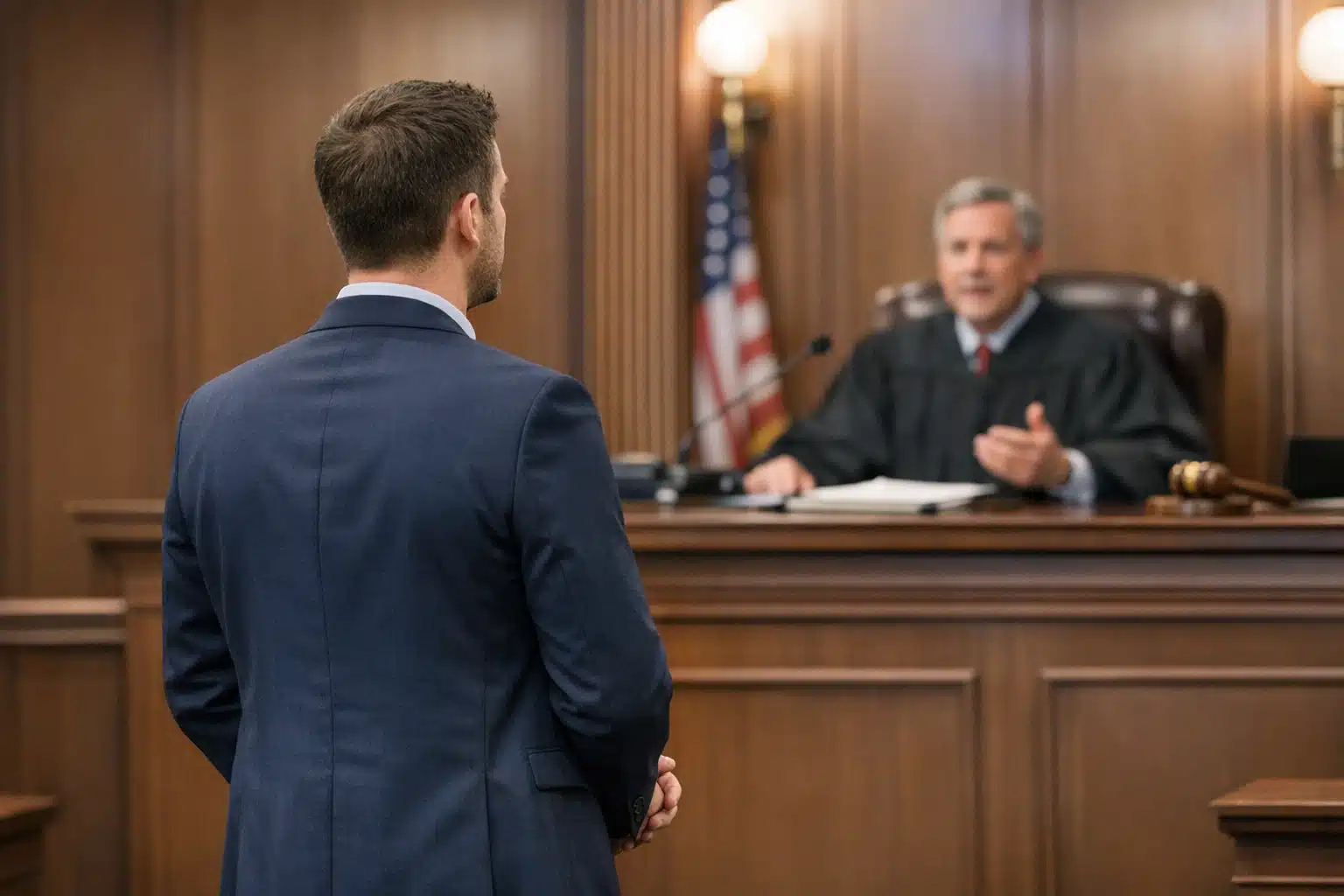
DUI on a Colorado Summer Road Trip: What Happens If You’re Stopped Far From Home
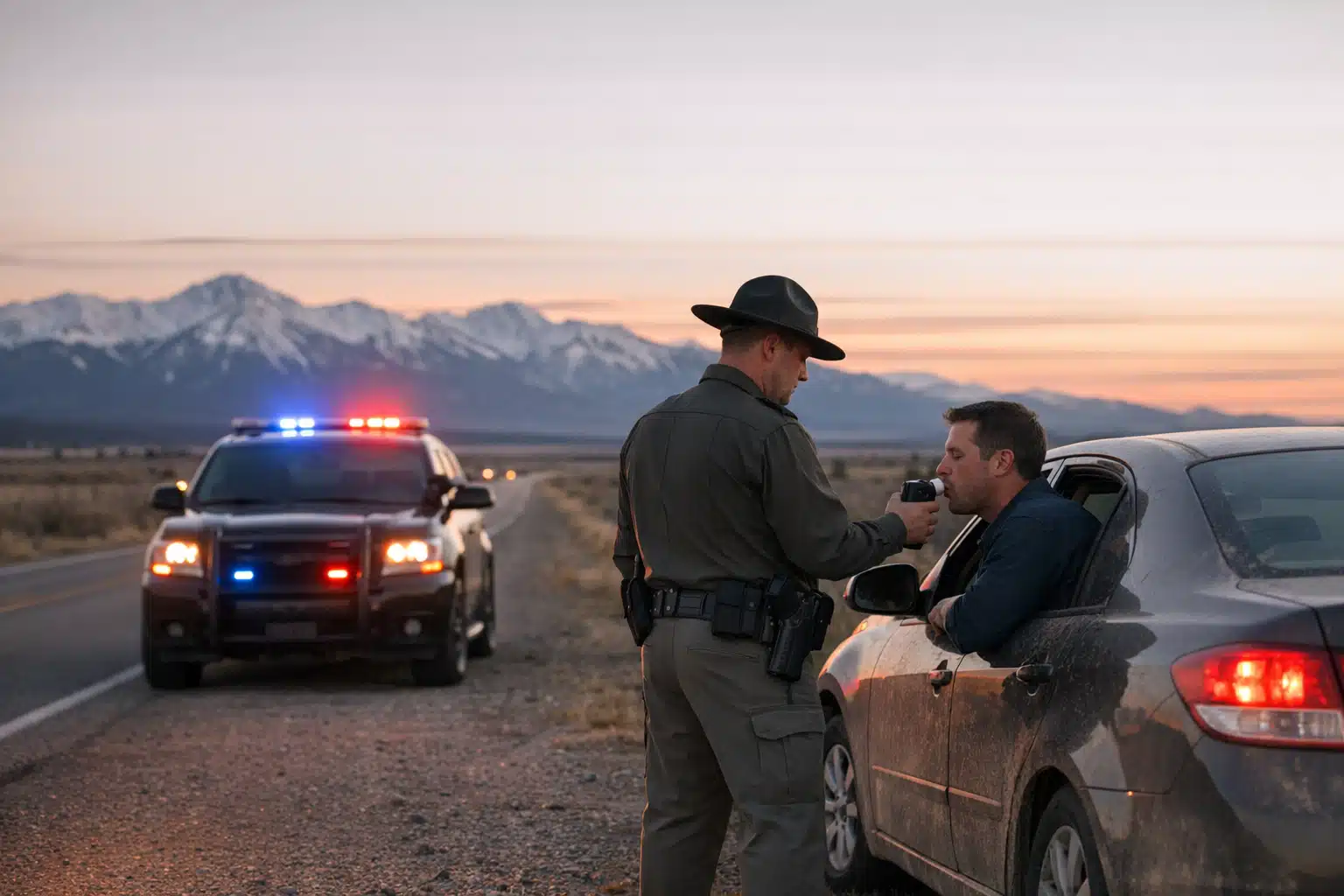
A DUI while traveling in Colorado results in charges filed in the county where you were stopped, not where you live. This creates challenges for out-of-town drivers who must handle both criminal court proceedings and a separate DMV administrative process.
- The seven-day DMV hearing request deadline applies statewide and does not pause because you live far from the arrest location. Missing it typically results in automatic license suspension.
- County practices vary across Colorado's 22 judicial districts, affecting plea negotiations, diversion availability, and sentencing. An attorney familiar with the local courthouse can attend routine hearings on your behalf.
- Both breath and blood tests fall under Colorado's express consent law. Marijuana DUI charges can also apply if blood THC reaches 5 nanograms or more, regardless of cannabis being legal in the state.
If you receive a DUI while traveling in Colorado, your case will be filed in the county where you were stopped, not where you live. This means you may face court dates several hours from your home. The distance affects how your case proceeds and requires careful planning for court appearances, potentially involving coordination with a local attorney in that jurisdiction.
A DUI while traveling Colorado usually means your case gets filed in the county where you were stopped, not where you live. A summer road trip to the San Luis Valley or the Western Slope can end with a court date three or four hours from Denver. That distance changes how your case moves and how you should respond.
Every county in Colorado follows the same state DUI statute. But the district attorneys, judges, and local practices differ from one courthouse to the next. Below is what a Denver resident charged in a far-off county should expect.
What Happens After a DUI While Traveling Colorado
An out of county DUI Colorado charge follows the same legal path as a Denver arrest. The officer completes an arrest, requests a chemical test, and files paperwork with the local court.
Your case then splits into two separate tracks. One is criminal, handled by the county court. The other is administrative, handled by the Colorado Division of Motor Vehicles.
Here is the general order of events:
- You are arrested and asked to take a breath or blood test.
- The officer confiscates your Colorado license and issues a notice.
- You receive a summons with a court date in the arresting county.
- You have seven days to request a DMV hearing.
- Your first court appearance is set weeks later in that county.
The seven-day DMV deadline applies statewide. Missing it usually means your license is suspended automatically. This deadline does not pause because you live far from where you were stopped.
DUI vs. DWAI in Colorado
Colorado charges two main alcohol-related driving offenses. The one you face depends on your blood alcohol content and other evidence.
- DUI: Driving under the influence, applied when alcohol or drugs substantially affect your ability to drive safely.
- DWAI: Driving while ability impaired, applied when alcohol or drugs affect your driving to the slightest degree.
A blood alcohol content of 0.08 or higher supports a DUI charge. A reading between 0.05 and 0.08 supports a DWAI. A rural prosecutor may charge either, depending on the facts.
Why the County Matters More Than You Think
The same conduct can be treated differently across Colorado’s 22 judicial districts. A first-time DUI in a small mountain county may follow different plea practices than one in Denver.

Some rural district attorneys rarely reduce charges to DWAI. Others have limited staff and heavier seasonal caseloads during summer. A local attorney familiar with that courthouse knows how each office tends to handle cases.
Consider a Denver driver stopped near Alamosa in July. That case moves through the 12th Judicial District, not Denver County Court. The plea culture, diversion availability, and sentencing habits belong to that district.
Common Differences Between Counties
- Willingness to reduce a DUI to a DWAI
- Availability of alcohol education or treatment programs
- Speed of case scheduling during peak travel months
- Whether appearances can happen by phone or video
- Local judges’ sentencing preferences
Do You Have to Travel Back for Court?
You may have to return to the arresting county for some hearings. But many Colorado courts allow attorneys to appear on a client’s behalf for routine matters.
This is one reason hiring counsel matters for a distant case. A lawyer can attend early hearings without you making a five-hour round trip each time.
Whether you must personally appear depends on the county and the hearing type. General patterns look like this:
- Arraignment: Counsel can often appear for you.
- Pretrial conferences: Frequently handled by your attorney alone.
- Motions hearings: Your presence may be required.
- Plea or sentencing: You usually must attend in person.
- Trial: Your attendance is required.
Ask your attorney early which dates demand your presence. Planning travel around court reduces missed appearances and added costs.
The DMV Side of an Out-of-Town DUI
The Colorado DMV handles your license separately from the criminal case. The location of your arrest does not change the statewide DMV rules.
After a refusal or a test showing 0.08 or higher, the DMV moves to suspend your license. You must request a hearing within seven days to contest it.
DMV hearings are administrative, not criminal. They focus on the license, not guilt or innocence. Many can be conducted by phone, which helps drivers who live far from the arresting county.
Court vs. DMV: Two Separate Tracks
- Criminal court: Decides guilt, fines, jail, probation, and classes.
- DMV hearing: Decides suspension, reinstatement, and interlock requirements.
Winning one does not automatically resolve the other. Both deserve attention from the start.
Breath Test vs. Blood Test on the Road
Colorado’s express consent law requires drivers to complete a chemical test after a lawful DUI arrest. You choose between breath and blood unless drugs are suspected.
- Breath test: Results are immediate; no physical sample is kept.
- Blood test: Takes longer; a sample can be retested later.
Rural stops sometimes involve delays getting to a blood draw location. Timing and procedure can matter to a later defense. An attorney can review whether testing followed Colorado’s rules.
Marijuana and Road Trip DUIs
Colorado allows a marijuana DUI charge based on THC in your blood. A blood level of 5 nanograms or more permits an inference of impairment.
Summer travelers sometimes assume legal cannabis means legal driving. Driving impaired by marijuana remains a criminal offense statewide. Rural stops near recreational areas can lead to these charges.

 Posted on Google
First Offense vs. Repeat Offense
Colorado penalties climb sharply with each prior conviction. A distant county still counts your statewide record.
- First offense: Fines, license suspension, classes, and possible short jail time.
- Repeat offense: Mandatory minimum jail, longer suspension, and interlock requirements.
A fourth DUI in Colorado is a felony, no matter which county files it. Prior convictions from other counties follow you across the state.
Common Mistakes After a Distant DUI
Drivers charged far from home make avoidable errors. Awareness helps you protect your rights.
- Ignoring the summons because the courthouse is far away.
- Missing the seven-day DMV hearing deadline.
- Assuming you must handle everything in person.
- Talking about the case with people who are not your attorney.
- Waiting until the court date to find local defense counsel.
Failing to appear can trigger a warrant in that county. That warrant follows you back to Denver and beyond.
When Hiring an Attorney Helps a Traveling DUI
An attorney can reduce the burden of a case filed hours from your home. Counsel handles filings, deadlines, and many appearances for you.
A lawyer who knows both Colorado DUI law and specific county practices offers practical value. That knowledge shapes plea discussions, hearing strategy, and travel planning.
Every case is different, and results depend on the facts and evidence. No lawyer can promise a particular result. Laws also change, and individual circumstances vary.
Key Takeaways
A DUI charged in a distant Colorado county still runs on statewide deadlines and rules. The seven-day DMV window and the criminal case both demand prompt action. Local courtroom practices can shape how your case moves.
Acting quickly protects your license, your record, and your travel schedule. If you were charged during a summer road trip, get advice before your first deadline passes.
Contact DUI Law Firm Denver for a confidential consultation. Call or text 303‑404‑7492, email info@DUILawFirmDenver.com, or visit https://duilawfirmdenver.com.
Sources
- Colorado Division of Motor Vehicles – Express Consent and DUI-Related Hearings
- Colorado General Assembly – Title 42 Motor Vehicles Statutes
- Colorado Department of Transportation – Impaired Driving
- Colorado Judicial Branch – Courts Directory
Share This Story, Choose Your Platform!
Table of Contents
Firstly, I would like to thank DUI Law Firm Denver for successfully representing me in my Adams County DUI case. The level of experience, scientific knowledge, dedication (I had both Emilio and Trevor representing me), and preparedness made all the difference during my trial. I highly recommend them. They are the BEST!
Related Reading

A missed DUI court date in Colorado can turn a defendable case into an arrest situation overnight. The judge may issue a bench warrant the same day you fail to show up. Acting within hours, not days, gives you the best chance to limit the damage. Maybe you wrote down the wrong date. Maybe you [...]
After a Colorado DUI, the court and the Colorado DMV both expect you to complete alcohol education before your case fully closes. Colorado DUI alcohol education classes are court- and probation-ordered programs that follow a required alcohol and drug evaluation. That evaluation decides how many hours of class and therapy you must finish. Imagine a [...]
Your first DUI court appearance in Denver is a hearing called an arraignment, where you formally learn the charges against you and enter a plea. If you were arrested near Speer Boulevard on a Friday night, you may have left jail with a pink summons listing a court date at the Lindsey-Flanigan Courthouse. That single [...]