DUI While Towing a Boat or RV Home From a Colorado Lake: What You Need to Know
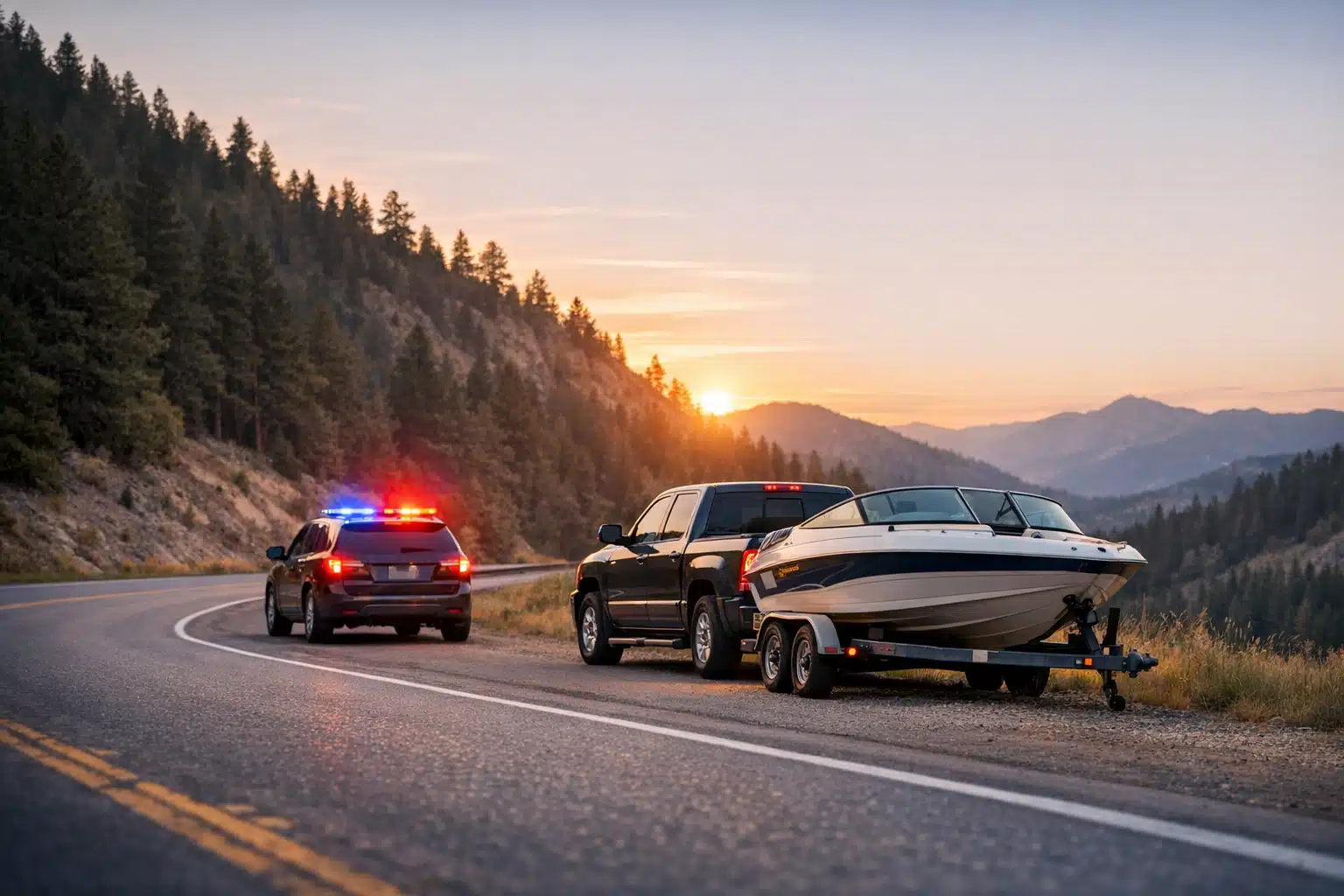
A DUI charge while towing a boat or RV in Colorado follows the same legal thresholds as any other vehicle, but towing increases the likelihood of being stopped due to equipment issues or trailer movement.
- Officers patrol heavily near Colorado lakes during late summer and can stop drivers for trailer sway, broken lights, loose loads, or expired registration. Once stopped, they may investigate for impairment.
- Colorado DUI applies at 0.08 BAC or higher while DWAI covers 0.05 to 0.08 BAC. Marijuana cases use a 5 nanogram THC limit and typically require blood testing.
- After a DUI arrest, drivers have only 7 days to request a DMV hearing to contest license revocation. Missing this deadline usually results in automatic suspension.
A DUI while towing a boat or RV in Colorado can result from a routine traffic stop, often triggered by a swerving trailer. After a day at lakes like Chatfield or Cherry Creek, drivers may face roadside sobriety tests if an officer suspects impairment. Colorado law treats these cases seriously, with penalties that may include license suspension, fines, and potential jail time.
A DUI towing trailer Colorado charge can happen on the drive home from Chatfield, Cherry Creek, or Lake Granby. You spent the day on the water, loaded the boat, and merged onto I-70 as the sun dropped. A trooper pulls you over for a swerving trailer, and the stop turns into a roadside sobriety test.
Towing a boat or camper changes how law enforcement sees your vehicle. A wide load, a swaying trailer, or a burned-out trailer light gives an officer a reason to stop you. That stop can lead to a DUI investigation even if you felt fine to drive.
This article explains why towing raises your risk, how Colorado DUI law applies, and what steps protect your rights after an arrest.
Why Towing a Boat or RV Raises Your DUI Risk in Colorado
Towing a trailer gives officers more reasons to pull you over. A larger vehicle draws attention, and any equipment problem becomes probable cause for a stop.
Late-summer weekends bring heavy patrols near Colorado lakes and reservoirs. Troopers watch boat ramps and highway exits from recreation areas during August and September.
Common reasons officers stop drivers hauling trailers include:
- A trailer that sways or drifts across lane lines
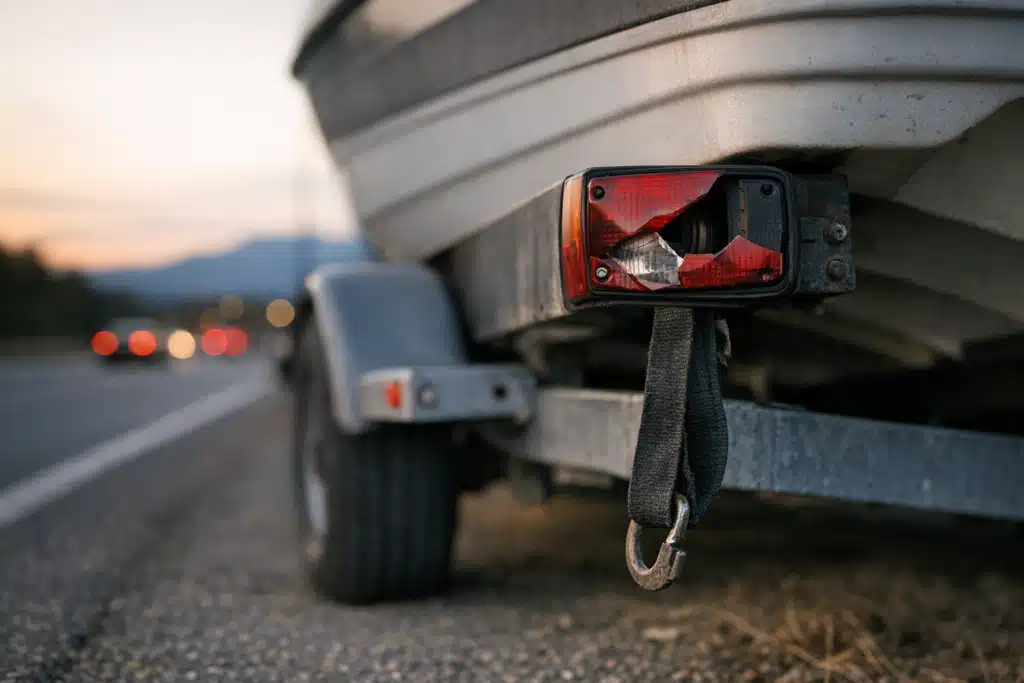
- Broken or missing trailer brake lights and turn signals
- An improperly secured load or loose tie-down straps
- Expired trailer registration or a missing plate
- Driving too slowly or braking erratically on a grade
Any of these gives an officer a lawful basis to approach your window. Once stopped, the officer may look for signs of impairment.
What Counts as DUI vs. DWAI While Towing in Colorado
Colorado treats impaired driving under two separate charges. The charge depends on how much alcohol or drugs affected your ability to drive.
DUI means driving under the influence to a degree that makes you incapable of safe driving. A blood alcohol content (BAC) of 0.08 or higher supports a DUI charge.
DWAI means driving while ability impaired to the slightest degree. A BAC between 0.05 and 0.08 can support a DWAI charge.
Here is a side-by-side comparison:
- DUI: BAC 0.08 or higher; incapable of safe driving
- DWAI: BAC 0.05 to 0.08; impaired to the slightest degree
- DUI penalties: More jail time, higher fines, longer license actions
- DWAI penalties: Lesser jail exposure but still a criminal conviction
Towing a boat or RV does not create a separate offense. The same thresholds apply whether you drive a sedan or a truck pulling a camper.
A larger vehicle can affect how an officer judges your driving pattern. A swaying trailer may look like impaired lane control even when it is a mechanical issue.
Marijuana and RV DUI Colorado Considerations
An RV DUI Colorado case can involve alcohol, marijuana, or prescription drugs. Colorado sets a THC limit of 5 nanograms per milliliter of blood for a permissible inference of impairment.
Campers and RVs raise added questions about where impairment began. An officer may note open containers or cannabis products stored inside the living area.
Colorado law treats an RV cabin differently from the driver’s compartment. An attorney can review whether items found inside were lawfully stored and out of reach.
What Happens During a DUI Stop While Hauling a Trailer
A DUI stop follows a predictable sequence. Knowing the order helps you understand what each step means.
- The stop: The officer cites a traffic or equipment reason to pull you over.
- The observation: The officer watches for odor, slurred speech, or red eyes.
- Roadside tests: You may be asked to perform voluntary field sobriety tests.
- Preliminary breath test: A roadside breath screen may be offered.
- Arrest: If the officer believes you are impaired, an arrest follows.
- Chemical test: Under Colorado’s express consent law, you choose a breath or blood test.
Towing adds a practical problem at this stage. If you are arrested, your boat or RV may need to be moved or stored.
Arranging safe storage for a trailer can create extra costs and logistics. Ask whether a sober passenger can take custody of the vehicle.
Colorado’s Express Consent Law and Chemical Testing
Colorado’s express consent law requires drivers to submit to chemical testing when lawfully arrested for DUI. Refusing a test carries its own penalties through the Colorado DMV.
You usually choose between a breath test and a blood test. Each has different features worth knowing.
- Breath test: Fast results; measures alcohol only; done at a station
- Blood test: Detects alcohol and drugs; drawn by a technician; takes longer
- Refusal: Treated as a per se revocation and can extend your license loss
A marijuana DUI case often involves a blood test because breath cannot measure THC. The choice can affect what evidence appears in your case.
License Consequences and the Colorado DMV Deadline
A DUI arrest triggers two separate tracks: a criminal case in Colorado courts and an administrative case with the Colorado DMV. Both move forward independently.
You have a short window to protect your driving privileges. After a DUI arrest, you have 7 days to request a DMV hearing to contest a license revocation.
Missing that deadline usually means an automatic suspension takes effect. The hearing is separate from your criminal court date.
Possible license consequences include:
- Revocation periods that increase with prior offenses
- Required installation of an ignition interlock device
- Reinstatement conditions set by the Colorado DMV
Acting within the 7-day window matters most for anyone who drives for work or hauls recreational vehicles seasonally.

 Posted on Google
First Offense vs. Repeat DUI While Towing
Penalties grow with each prior conviction. The vehicle you tow does not change the sentencing structure, but driving record does.
A general comparison looks like this:
- First offense: Fines, possible jail, license revocation, alcohol education
- Second offense: Mandatory minimum jail, longer revocation, interlock requirement
- Third or more: Extended jail exposure and longer license loss
- Felony DUI: A fourth conviction can be charged as a felony in Colorado
Every case turns on its own facts. Prior convictions, BAC level, and any injuries affect how prosecutors handle a charge.
Common Mistakes After a Lake-Season DUI Arrest
Certain choices after an arrest make a case harder to defend. Avoiding them protects your rights.
- Missing the 7-day DMV deadline and losing the chance to contest revocation
- Admitting how much you drank to the officer during the stop
- Assuming a swaying trailer proves impairment when it may be mechanical
- Leaving your boat or RV unsecured and facing towing or storage fees
- Waiting too long to speak with an attorney about available defenses
A trailer sway or equipment defect can become part of your defense. An attorney can examine whether the stop itself was lawful.
When Hiring a DUI Attorney Helps
A DUI charge while towing involves issues most drivers never face. An attorney can review the traffic stop, the testing procedure, and the equipment used.
Defense review points often include:
- Whether the officer had a lawful reason for the stop
- Whether field sobriety tests were given correctly
- Whether breath or blood testing followed proper procedure
- Whether trailer sway or load issues explain the driving pattern
An attorney can also coordinate your DMV hearing and your court case. Handling both tracks at once keeps deadlines from slipping.
Conclusion
Towing a boat or RV home from a Colorado lake gives officers extra reasons to stop you, and an equipment issue can turn into a DUI investigation. Colorado runs separate court and DMV cases, and the 7-day DMV deadline moves fast. Every case differs, and the facts of your stop shape your options.
If you face a DUI towing trailer charge in Denver or anywhere in Colorado, speak with an attorney promptly. Contact DUI Law Firm Denver for a confidential consultation at 303‑404‑7492, text 303‑404‑7492, or email info@DUILawFirmDenver.com.
Sources
- Colorado Division of Motor Vehicles – Express Consent and Revocation
- Colorado Revised Statutes – Title 42 Vehicles and Traffic
- National Highway Traffic Safety Administration – Drunk Driving
- Colorado Department of Public Health and Environment – Marijuana and Driving
Share This Story, Choose Your Platform!
Table of Contents
I have used the services of this firm multiple times in the past and my experience has always been outstanding. Emilio speaks openly and honestly at all times. I would, and do, recommend his services to friends and family.
Related Reading

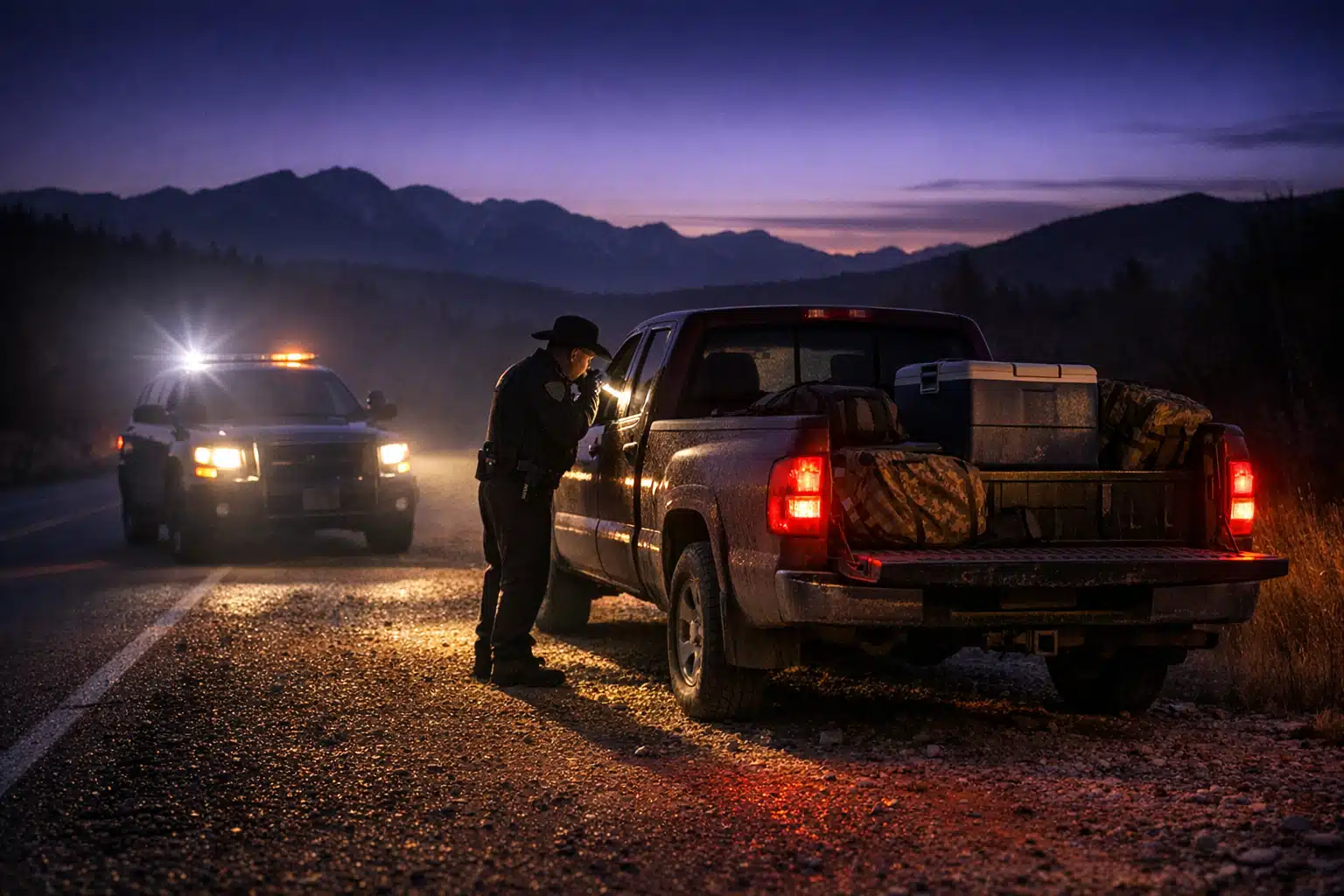
A hunting season DUI Colorado charge often starts on a dark county road before dawn. You are driving back from a weekend elk camp near Craig or Gunnison, a loaded cooler in the back, rifles cased behind the seat. A sheriff’s deputy pulls you over for a cracked taillight, smells last night’s beer, and the [...]
An Oktoberfest DUI Colorado arrest frequently starts the same way: three steins of German lager that each carry nearly double the alcohol of a standard domestic beer. A driver who feels fine after a fall festival in Denver can still blow a 0.12 at the roadside. Fall beer festivals create a specific trap because traditional [...]
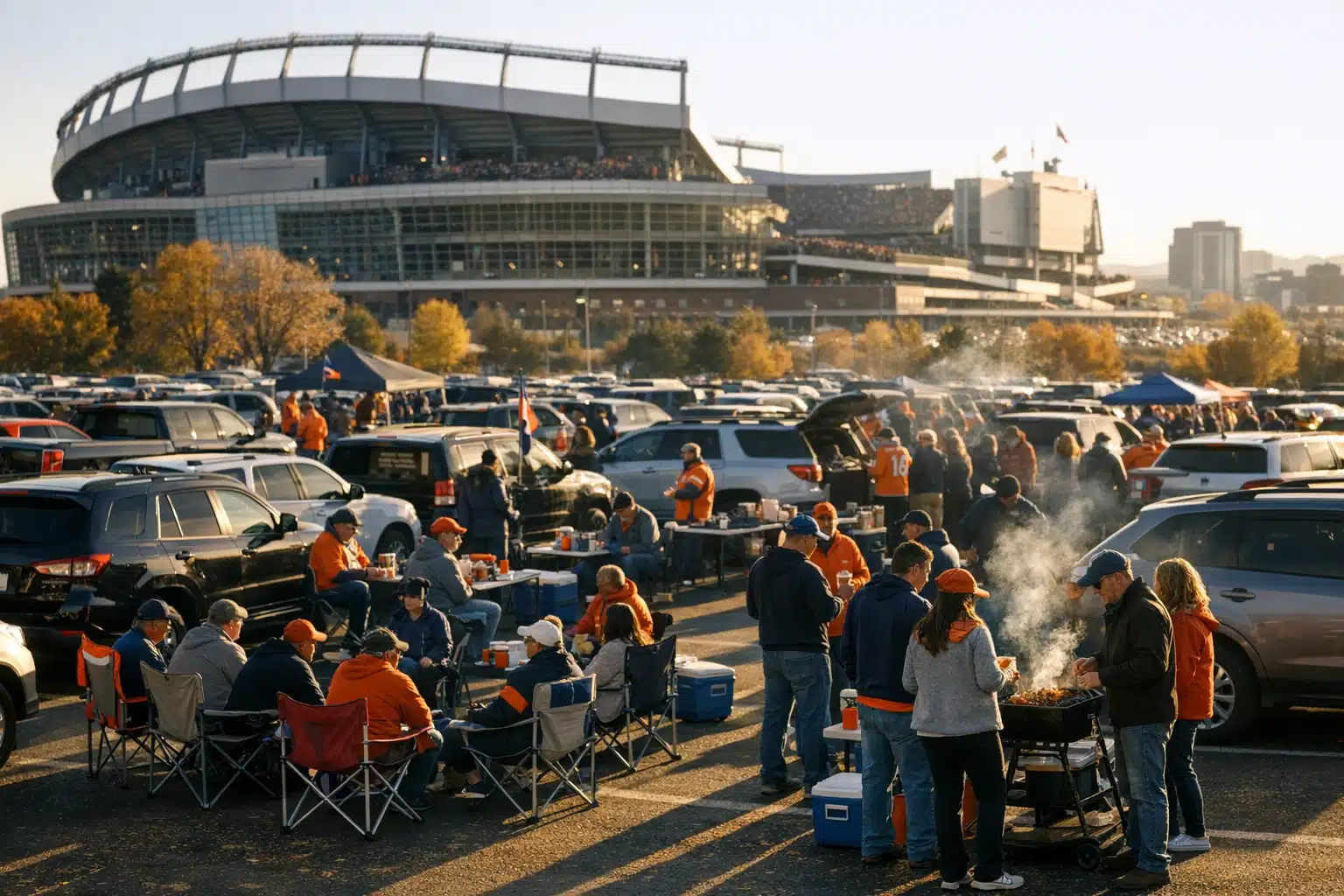
Arrested for a Denver Broncos game DUI means two separate problems start at once: a criminal case and a driver’s license case. The license case moves faster. You have 7 days from the arrest to request a hearing with the Colorado DMV, or your license suspension begins automatically. Fall Sundays at Empower Field at Mile [...]