Out-of-State Drivers Arrested in Colorado

Colorado arrests thousands of out-of-state drivers yearly for DUI, reckless driving, and other violations, with consequences that can follow drivers home through the Driver License Compact agreement between states.
- Colorado enforces traffic laws equally for residents and non-residents, and convictions are reported to your home state, which may suspend your license or add penalties. A Colorado defense attorney can often handle proceedings without requiring multiple trips back.
- Drivers should remain silent, request a lawyer, and document arrest details immediately. Marijuana cannot be taken across state lines, and driving with THC above 5 nanograms per milliliter is a DUI offense.
- Minor tickets can often be paid by mail, but misdemeanors and felonies require court appearances for arraignment, trial, and sentencing. An attorney may appear on your behalf for some hearings depending on the charge and county rules.
Out-of-state drivers arrested for DUI in Colorado face the same legal consequences as residents, including court appearances, license suspension, and higher insurance costs. Through the Driver License Compact, Colorado shares violation information with your home state, meaning penalties can follow you back. A Colorado defense attorney can often handle much of the legal process remotely, reducing the need for multiple return trips.
Every year, thousands of out-of-state drivers are arrested in Colorado and face consequences that can extend far beyond their visit. Colorado enforces DUI, DWAI, reckless driving, and other traffic laws equally for residents and non-residents, and many violations are shared with a driver’s home state through the Driver License Compact (DLC). A single arrest can lead to court appearances, license suspension, higher insurance costs, and even penalties back home. Acting quickly is critical, and in many cases, a Colorado defense attorney can handle much of the legal process without requiring repeated trips back to the state.
What to Do Immediately After Being Arrested in Colorado
Being arrested in Colorado as a driver from another state is a serious situation. The steps you take right away can change how your case turns out.
Stay Silent
You have the right to remain silent. Do not answer questions from police officers until you have a lawyer present. Anything you say can be used against you in court. This right is protected under Colorado Revised Statutes § 16-3-402 and the Fifth Amendment of the U.S. Constitution.
Ask for a Lawyer
Tell the officer clearly that you want a lawyer. Do not answer questions until your lawyer arrives. This is your Sixth Amendment right. A Colorado-licensed criminal defense attorney knows the local courts, state laws, and legal procedures that apply to your case.
Write Down What Happened
As soon as you can, write down everything you remember about the arrest. Include:
- Officer names and badge numbers
- The time and location of the arrest
- What was said and done
Contact Family or Trusted People
Let a family member or trusted person know what happened. They can help you find a lawyer, gather documents, or provide other support.
Follow Lawful Officer Commands
Follow directions given by law enforcement officers, but know your constitutional rights. Resisting lawful commands can lead to more charges being filed against you.
Taking these steps helps protect your legal rights during a critical time.
Can Colorado Arrest an Out-of-State Driver?
Yes. Colorado can arrest drivers from other states for traffic violations that happen inside Colorado’s borders. It doesn’t matter where you live or where your license is from.
Why Colorado Has This Authority
Colorado law gives police the power to arrest anyone, resident or not, for breaking the law within the state. This is called territorial jurisdiction. It means that the moment you cross into Colorado, you are subject to Colorado law.
The key law that supports this is C.R.S. § 16-3-102, which allows Colorado officers to make arrests for violations committed within state lines.
| Rule | What It Means for You |
| Territorial Jurisdiction | Colorado law applies to every driver on Colorado roads |
| C.R.S. § 42-4-1301 | Colorado’s DUI law applies to out-of-state drivers just like residents |
| Driver License Compact | Colorado reports your violation to your home state |
Being from another state does not protect you from prosecution. Colorado courts handle cases involving out-of-state drivers regularly.
A conviction in Colorado can also follow you home. Through the Driver License Compact, Colorado shares violation records with your home state. Your home state may then suspend or restrict your license based on what happened in Colorado.
The Interstate Driver’s License Compact: What Out-of-State Drivers Need to Know
The Driver License Compact (DLC) is a legal agreement between most U.S. states. It connects traffic violations in one state to a driver’s record back home. Colorado is a full DLC member under C.R.S. § 24-60-1101.
How the DLC Works
Member states share traffic conviction data with each other. When an out-of-state driver gets a ticket or conviction in Colorado, Colorado reports it to the driver’s home state.
The home state then treats that violation as if it happened on its own roads.
What Member States Agree To Do
- Report traffic convictions to the driver’s home state
- Treat out-of-state violations as local violations
- Apply the same license suspensions or revocations they would for in-state offenses
- Share DUI and reckless driving convictions without exception
What This Means for Out-of-State Drivers
A DUI conviction in Colorado goes to two places at once: Colorado’s court system and the driver’s home state Department of Motor Vehicles (DMV). Each handles penalties separately.
A driver can face Colorado court fines, license restrictions in their home state, and insurance rate increases from their home state carrier.
The DLC creates no gap between states for serious driving offenses. A violation does not stay in Colorado.
Misdemeanor vs. Felony Charges: What Out-of-State Drivers Face
Driving charges in Colorado fall into two main categories: misdemeanors and felonies. The category matters a great deal for out-of-state drivers because it shapes what happens both in Colorado and back home.
Misdemeanor Driving Offenses in Colorado
A misdemeanor is a less serious criminal charge. In Colorado, common misdemeanor traffic offenses include:
- A first-time DUI (driving under the influence of alcohol or drugs)
- Reckless driving (operating a vehicle with willful disregard for safety)
These charges can still result in fines, license suspension, and even short jail time. Under Colorado Revised Statutes § 42-4-1301, these offenses are defined and prosecuted at the state level.
Felony Driving Offenses in Colorado
A felony is a more serious criminal charge. Colorado felony driving offenses include:
- A second or subsequent DUI conviction
- Vehicular assault (injuring someone with a vehicle)
- Vehicular homicide (killing someone with a vehicle)
A felony conviction in Colorado means mandatory license revocation and possible prison time of more than one year.
Why Legal Representation Matters
Out-of-state drivers charged with either category of offense should contact a Colorado-licensed defense attorney as soon as possible after an arrest. Early legal counsel can affect charge levels, court outcomes, and long-term consequences across state lines.
Drug Offenses in Colorado: What Out-of-State Drivers Get Wrong
Colorado made recreational marijuana legal in 2012 through Amendment 64. Many drivers from other states misread what that law actually covers. Those misunderstandings can lead to serious criminal charges.
- You cannot take marijuana across state lines.
Moving marijuana from Colorado into another state breaks federal law under 21 U.S.C. § 841. Federal law applies everywhere in the United States. Colorado’s state law does not change that.
- Driving high on marijuana is illegal.
Colorado law (C.R.S. § 42-4-1301) sets a legal limit of 5 nanograms of THC per milliliter of blood. THC is the chemical in marijuana that causes impairment. Going over that limit while driving is a DUI offense.
- You can only carry up to one ounce of marijuana.
Possessing more than one ounce of recreational marijuana breaks Colorado law under C.R.S. § 18-18-406. Buying it legally in a store does not give you the right to carry unlimited amounts.
- Prescription drugs require proof.
Carrying prescription medications without valid documentation can trigger charges under Colorado’s Uniform Controlled Substances Act. This applies to out-of-state prescriptions as well.
State law sets its own limits. Federal law sets additional limits on top of those. Neither one cancels out the other.
Do You Have to Appear in a Colorado Court in Person?
If you live outside Colorado and get a traffic ticket or criminal charge there, you may wonder if you have to show up to court in person.
Minor Traffic Tickets
For small traffic violations, you usually do not need to go to court. You can often just pay the fine online or by mail. No court appearance is needed.
Misdemeanors and Felonies
More serious charges are different. Colorado law, specifically Rule 43 of the Colorado Rules of Criminal Procedure, requires defendants to be physically present at key court dates. These include:
- Arraignment (when charges are formally read)
- Trial
- Sentencing
This rule applies to both in-state and out-of-state drivers.
Can a Lawyer Go in Your Place?
For some hearings, a licensed Colorado attorney may be able to appear on your behalf. This means you might not have to travel to Colorado for every court date.
Not all courts allow this, and it depends on the type of charge and the county court’s rules.
What You Should Do
Hire a local Colorado criminal defense attorney as soon as possible. An attorney can:
- Review your specific charge
- Determine if your appearance can be waived
- Represent you in court when allowed by law
Each case is different, so getting legal advice early is the best way to protect your rights and avoid unnecessary travel.
How to Handle a Colorado Court Case From Another State
Having a court case in Colorado when you live in another state can be stressful and confusing. There are clear steps you can take to manage the situation without having to travel back and forth.
Get a Colorado-Licensed Attorney
A lawyer who is licensed to practice law in Colorado can show up to court for you. This means you may not need to appear in person.
Look for attorneys who specialize in the type of case you are facing, whether it is a traffic ticket, civil dispute, or criminal charge.
Ask for Remote Hearing Options
Colorado courts allow people to join hearings by video or phone in many situations. This is supported under Rule 43 of the Colorado Rules of Civil Procedure. Ask your attorney to request this option on your behalf.
Stay in Regular Contact With Your Attorney
Court cases involve deadlines, paperwork, and scheduled hearings. Missing any of these can hurt your case.
Keep open communication with your lawyer so you always know what is coming next and what you need to provide.
What Happens If You Ignore a Colorado Ticket or Charge?
Skipping a Colorado traffic ticket or criminal court date creates serious legal problems that go beyond the original issue.
Driver’s License Suspension
Colorado law (C.R.S. § 42-2-138) allows the state to suspend your driver’s license if you fail to appear in court or pay a traffic ticket.
Colorado shares driver’s license suspension records with other states through the Driver License Compact. This means if you hold a license from another state, your home state may suspend your license too.
Bench Warrants
If you ignore a criminal charge, the judge can issue a bench warrant for your arrest.
A bench warrant does not expire. It stays active and can show up during any routine traffic stop across the country. Law enforcement in any state can see and act on it.
Extradition
Depending on how serious the charge is, Colorado can request that another state return you to face the case. This is called extradition.
How Colorado Reports Violations to Your Home State
If you are arrested or convicted of a traffic offense in Colorado, the violation may not stay in Colorado. The state regularly shares traffic conviction information with other state motor vehicle agencies, allowing your home state to review and apply its own penalties to your driver’s license.
Common violations Colorado may report include:
- DUI and DWAI offenses: Alcohol- or drug-related driving charges often result in license suspensions, mandatory programs, and other penalties.
- Reckless driving: Convictions for dangerous or aggressive driving can add points to your driving record in your home state.
- Serious speeding violations: Excessive speeding tickets may transfer points or trigger additional penalties depending on your state’s laws.
- Failure to appear or unpaid fines: Missing a court date or failing to resolve a Colorado ticket can lead to holds, suspensions, or warrants.
Once your home state receives notice of the violation, it can impose penalties as if the offense occurred there. This may include license suspension, points against your driving record, increased insurance premiums, or mandatory driving programs.
Although a few states are not part of the compact system, Colorado may still exchange traffic conviction information through separate agreements and reporting systems. Regardless of where you are licensed, a Colorado traffic offense can follow you home and affect your driving privileges long after your trip ends.
How to Clear a Colorado Arrest From Your Record
Colorado law allows people to remove certain arrests from their official records. This process is called record sealing or expungement. The law that covers this is C.R.S. § 24-72-706. Whether you qualify depends on two things: the type of charge and what happened with your case.
Who Can Apply
Not every arrest qualifies for sealing. Your eligibility is based on:
- The type of crime you were charged with
- The outcome of your case (dismissed, acquitted, or convicted)
Serious felonies and certain violent crimes are often not eligible.
How to Seal Your Record
Step 1: Check Your Eligibility
Find out if your charge type and case result meet Colorado’s legal requirements.
Step 2: Get Your Criminal Record
Request a certified copy of your full Colorado criminal history from the Colorado Bureau of Investigation (CBI).
Step 3: File a Petition
Submit your sealing petition to the district court in the county where the arrest happened.
Step 4: Attend Your Hearing
A judge will review your petition and decide whether to approve the record seal.
Important Facts to Know
- Sealed records are still visible to law enforcement and certain government agencies.
- Drivers from other states must follow Colorado’s rules, not their home state’s rules.
- Missing a court date can delay or cancel your petition.
- A Colorado-licensed attorney can help you file correctly, especially if you cannot appear in court.
How a Colorado Criminal Defense Attorney Protects Out-of-State Clients
A Colorado criminal defense attorney plays a specific role in protecting drivers who live in other states but face criminal charges in Colorado.
Appearing in Court Without You
Colorado law (C.R.S. § 16-6-101) allows a licensed Colorado defense attorney to show up in court for routine hearings on your behalf. This means you may not need to take time off work or buy a plane ticket every time a court date is scheduled.
Protecting Your Driver’s License Back Home
Colorado and most other states share driver’s license information through the Interstate Driver’s License Compact. A Colorado attorney knows how DUI laws, plea deals, and diversion programs work in Colorado courts. This knowledge helps your attorney negotiate outcomes that reduce the damage to your driving record in your home state.
Meeting Court-Ordered Requirements
Colorado courts can order you to complete programs like alcohol education classes. A Colorado defense attorney understands which programs satisfy both the Colorado court and your home state’s licensing office, so you stay in compliance on both ends.
Acting Quickly Matters
Evidence can disappear and legal deadlines can pass within days of an arrest. Getting a Colorado attorney involved early gives you a better chance of building a strong defense before those windows close.
Share This Story, Choose Your Platform!
Table of Contents
- What to Do Immediately After Being Arrested in Colorado
- Can Colorado Arrest an Out-of-State Driver?
- The Interstate Driver’s License Compact: What Out-of-State Drivers Need to Know
- Misdemeanor vs. Felony Charges: What Out-of-State Drivers Face
- Drug Offenses in Colorado: What Out-of-State Drivers Get Wrong
- Do You Have to Appear in a Colorado Court in Person?
- Can a Lawyer Go in Your Place?
- How to Handle a Colorado Court Case From Another State
- What Happens If You Ignore a Colorado Ticket or Charge?
- How Colorado Reports Violations to Your Home State
- How to Clear a Colorado Arrest From Your Record
- How a Colorado Criminal Defense Attorney Protects Out-of-State Clients
My World changed dramatically in September 2017. I had never been in any sort of trouble with the law and now I was being cited for a DUI. I was scared, nervous, and had no idea what to do. I made the choice to contact an attorney, and DUI Law Firm Denver information was sent to me by a friend. I called Emilio right away to discuss my case.
The very first time we talked Emilio took almost an hour to listen to what was happening and offered specific recommendations to help me battle through this process. At that point I decided to hire Emilio and we began a long, almost 6 month journey, to resolve the issues surrounding this DUI.
Faced with very few options to help me mitigate my impending punishments, DUI Law Firm Denver never gave up helping me to fight as hard as we could for the best possible outcome in court. He made suggestions along the way that I truly believe turned the tides of this case. To the very end he stood beside me, believed in my story, and fought to help me in any way he could, even though he was pressed against a pretty solid wall.
At the end of it all, given what could have happened, I was very satisfied to come out of this with hope for a brighter future. I am taking the steps necessary to get back on track and without Emilio’s help I would have been doomed to a much greater punishment.
Related Reading

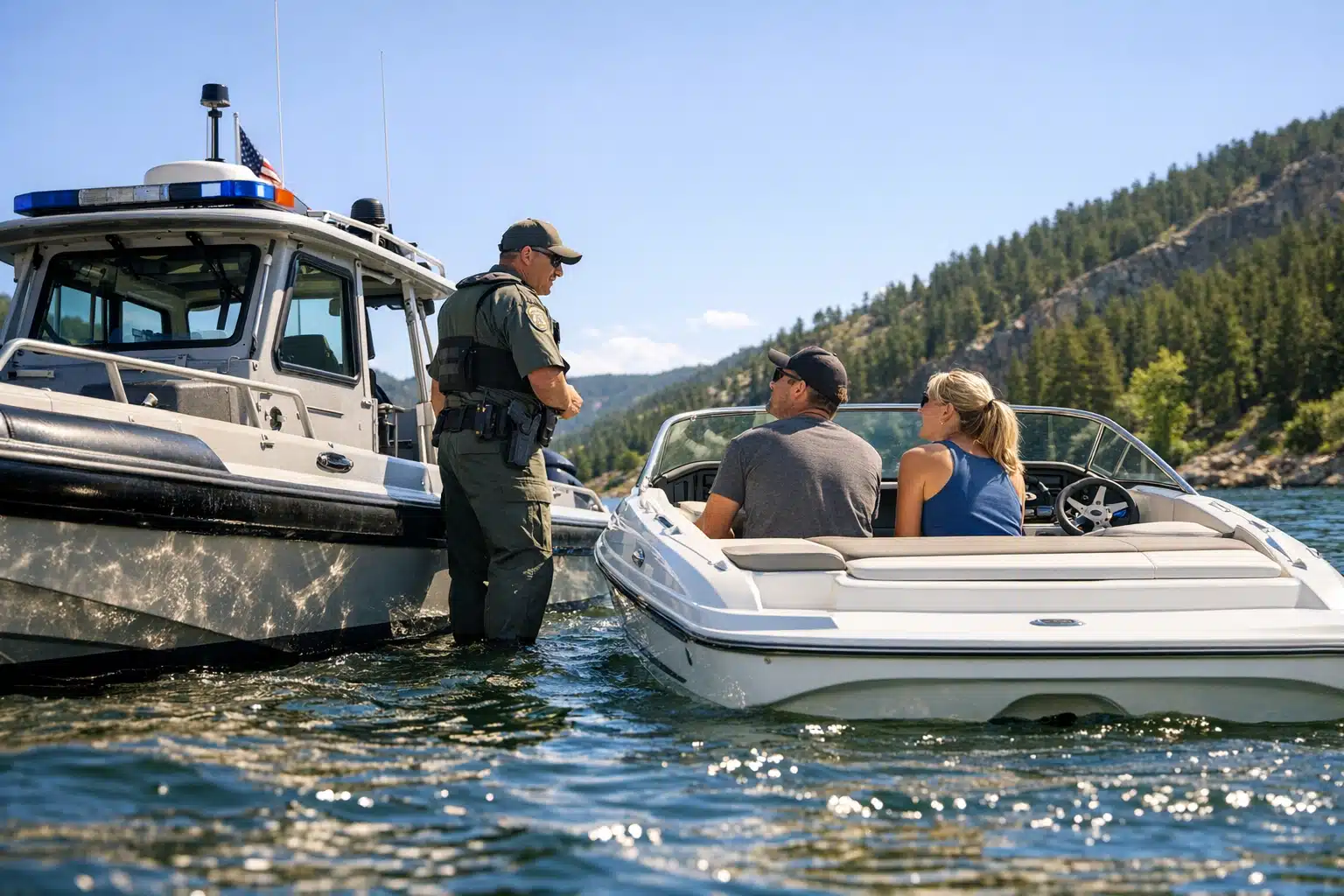
Colorado BUI penalties can reach up to a year in jail and hundreds of dollars in fines, yet a boating conviction does not suspend your driver’s license the way a car DUI does. That difference surprises many people arrested at Chatfield, Cherry Creek, or Horsetooth Reservoir during summer weekends. Boating under the influence in Colorado [...]
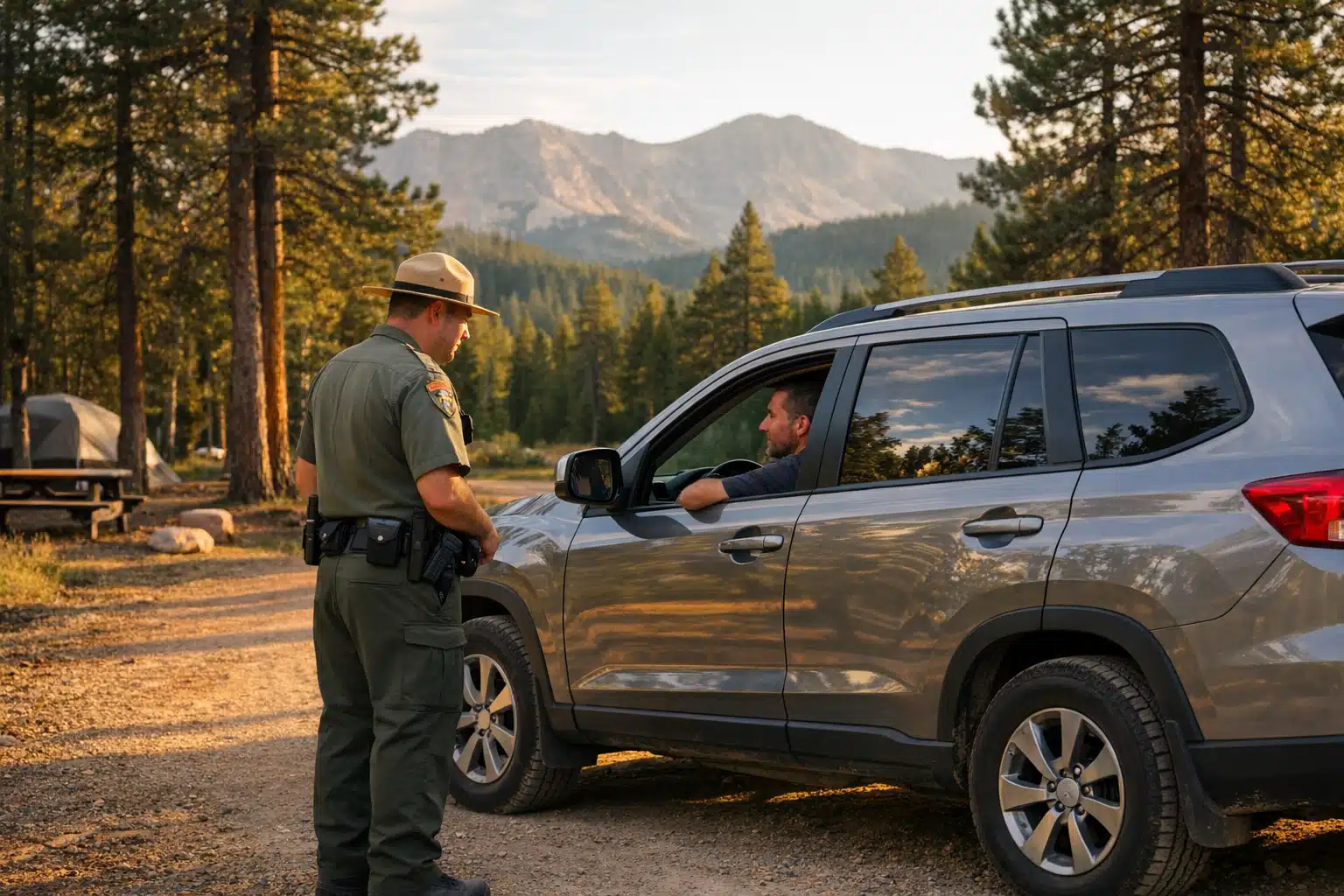
Yes, you can face a DUI on federal land in Colorado, even inside a campground loop or on a national forest road. Rangers, state troopers, and county deputies all have authority in different areas. A summer weekend at a Colorado campsite can end with handcuffs and a court date. Colorado’s camping season brings heavy traffic [...]

Under Colorado law, the necessity defense may apply if a driver can prove they operated a vehicle while impaired to prevent a greater and more immediate harm, and that no reasonable legal alternative existed. This defense is rarely successful because Colorado courts apply strict legal standards. Simply believing it was safer or more convenient to [...]